
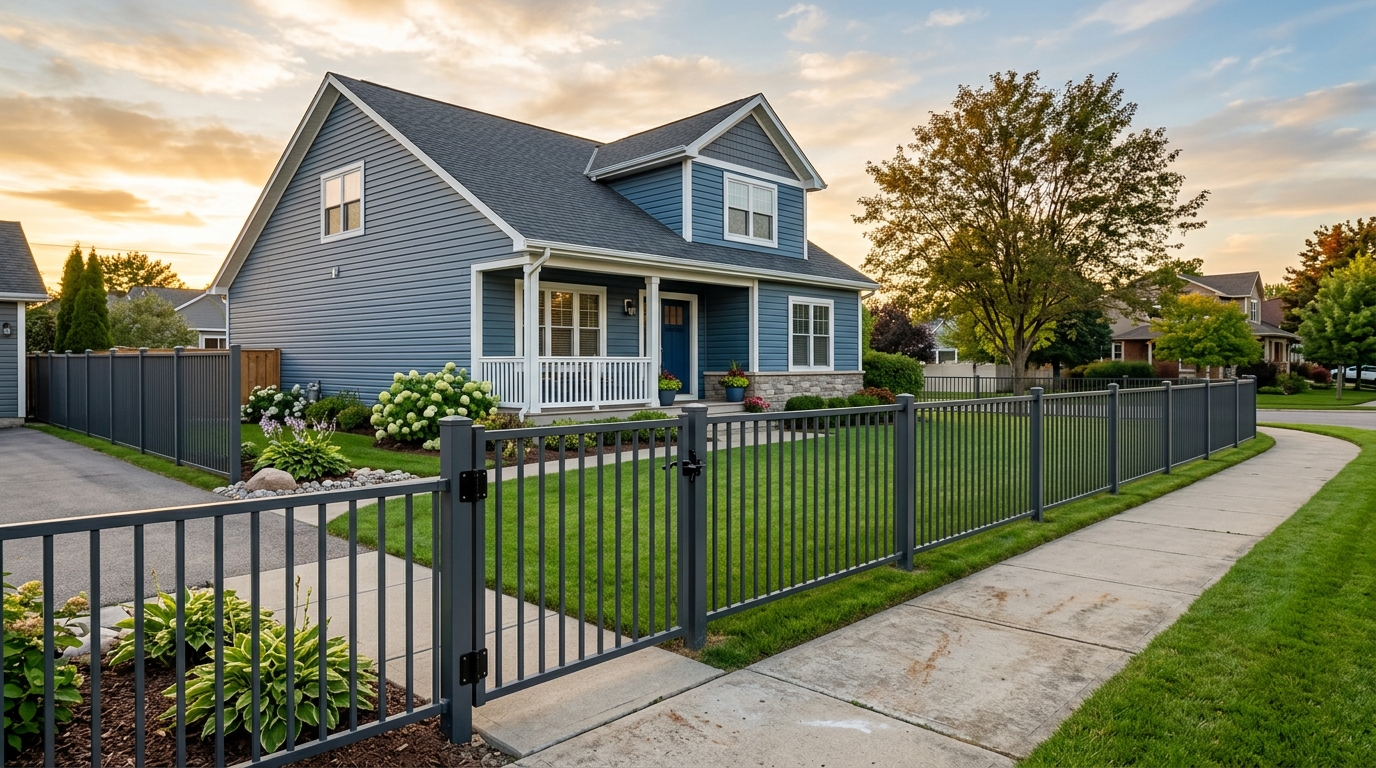
When you're managing a home, a sturdy fence does more than just mark a boundary; it provides privacy and peace of mind for your tenants. Understanding rental property fencing requirements is essential since rules often vary by city and state. While you usually aren't forced to build a new fence, you are legally responsible for keeping any existing structures safe and upright under the warranty of habitability.
Think of your fence as a key part of the property’s safety toolkit that needs regular check-ups just like your plumbing. A leaning post or a jagged board isn't just an eyesore, it’s a liability that could lead to accidents or neighbor disputes. Keeping things in good repair protects your investment and ensures your tenants feel secure in their space. Most of the time, staying compliant is as simple as staying on top of wear and tear before it becomes a major project.
When it comes to managing multi-family units or long-term rentals, pool safety is a legal necessity to protect your business. Most state statutes require a perimeter fence that stands at least four feet high, though some local codes may demand even more height to prevent climbing. You need to ensure there are no gaps or horizontal rails that could act as a ladder for small children. Keeping these barriers in top shape is part of your duty to maintain a habitable and safe environment. By meeting these height standards, you significantly reduce your liability and keep your tenants safe from preventable accidents.
The gate is the most important part of your pool enclosure and requires the most frequent inspections. To stay compliant with safety laws, every gate must be self-closing and self-latching so it never accidentally stays propped open. The latch mechanism should be placed high enough that a toddler cannot reach it from the ground. I always recommend testing these gates regularly during your routine property walkthroughs to ensure the springs haven't lost their tension. A gate that fails to latch properly is a major red flag that could lead to serious legal complications.
Staying on top of these specific requirements helps you operate as a professional housing provider. It is much easier to invest in high-quality, compliant fencing now than to deal with the fallout of a safety violation later. Clear communication with your tenants about pool area rules also helps maintain the integrity of the hardware you have installed. Remember that while tenants are responsible for their guests, the structural integrity of the safety barrier always rests on your shoulders. Keeping your property up to code is the best way to ensure long-term success and peace of mind.
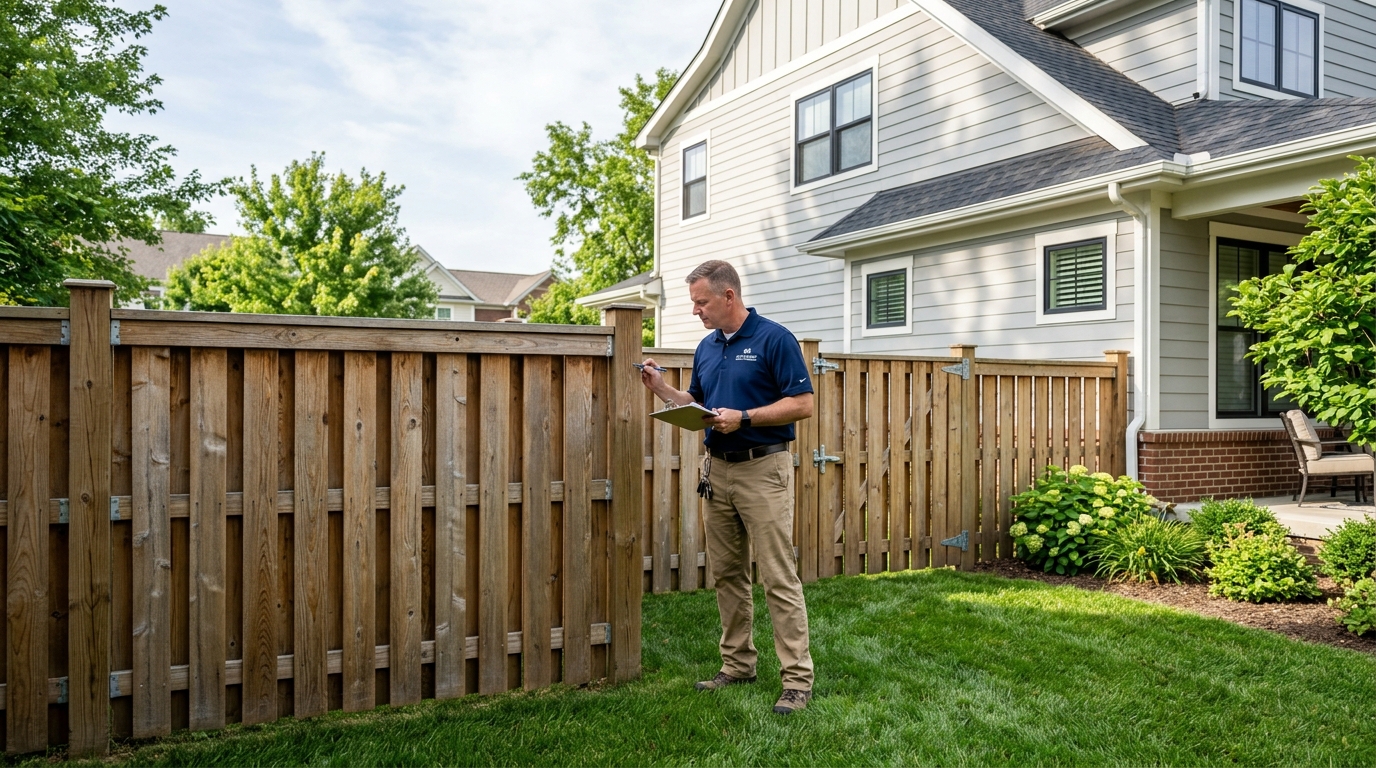
Maintaining a rental property means keeping the structure safe and functional to meet standard warranty of habitability laws. As a landlord, you are generally responsible for any repairs that arise from natural aging or standard wear and tear. If a fence starts to lean because the posts are rotting or a storm knocks down a panel, it falls on you to fix it promptly. A broken fence is more than just an eyesore since it can quickly become it’s a liability or a safety hazard for your tenants. Taking care of these structural issues early helps you avoid legal headaches and keeps your property value high.
Distinguishing between routine maintenance and tenant negligence is a key part of managing your overhead costs. While you handle the effects of wind and sun, your tenants are typically responsible if they or their guests cause direct damage. For example, if a tenant accidentally backs their car into the fence or allows a pet to chew through the pickets, you can usually charge those repair costs back to them. I always recommend documenting the condition of the fence during move-in and move-out inspections to make these conversations much easier. Clear communication about these expectations helps maintain a professional relationship while protecting your investment.
Local municipal codes often dictate the specific height and material requirements for any fencing you install on your lot. Some areas even have laws that require you to share maintenance costs with the person owning the property next door. Staying on top of these local rules ensures that your property remains compliant and avoids any unnecessary fines from the city. Keeping your perimeter secure and well maintained shows your tenants that you care about their safety and the quality of their home. By staying proactive with your repairs, you create a better living environment and reduce the risk of long term structural problems.
Before you dig any post holes, you need to check in with your local building department to see what the rules are for your specific area. Most municipalities have strict height limits, usually capping backyard fences at six feet and front yard fences at three or four feet to keep sightlines clear for drivers. Since you are managing a rental property, staying within these limits is vital for avoiding fines and ensuring your property remains fully compliant with city codes. I always recommend pulling a quick permit if required, as this protects your investment and proves you followed the law if a dispute ever arises. Keeping things by the book now will save you a lot of headaches and potential liability issues down the road.
Dealing with property lines can be tricky, but understanding local laws makes the process much smoother for landlords. In many states, the law assumes that both you and your neighbor share equal responsibility for maintaining and paying for a fence that sits on the property line. It is a good idea to have a friendly chat with the neighbor before you start construction to discuss the style and share the estimated costs. This proactive approach helps prevent boundary disputes and ensures that the financial burden of a new fence is distributed fairly. Clear communication keeps the neighborhood happy and ensures your rental property stays secure without causing unnecessary friction.
Maintaining a sturdy fence is also a key part of your responsibility to provide a safe and habitable environment for your tenants. A leaning or broken fence is more than just an eyesore, it is a serious liability risk that could lead to injuries or security breaches. I suggest performing regular inspections of the fence posts and panels to catch rot or damage before it becomes a major structural problem. If you are unsure which fence is mine or yours, consult your property survey before performing repairs. If the damage is caused by normal wear and tear, the cost of the repair generally falls on you as the property owner. By staying on top of these small fixes, you keep your tenants safe and protect the long term value of your rental units.
Staying ahead of fence maintenance is one of the smartest moves you can make as a property manager to protect your bottom line. By conducting regular, proactive inspections, you catch small issues like loose boards or leaning posts before they turn into major safety hazards or code violations. Knowing how to properly maintain a fence ensures you meet habitability standards and keeps your tenants safe from potential accidents. This simple habit helps you avoid the stress of sudden legal headaches and keeps your property looking professional. It is much easier to tighten a few screws today than it is to deal with a liability claim or a costly emergency replacement later on.
Investing in your fencing does more than just check a compliance box, it actively preserves the long-term value of your investment. When researching fencing for rental properties, you'll find that a well-maintained fence boosts curb appeal and gives residents a sense of security that makes them want to stay longer. When you show that you care about the structural integrity of the property, you attract higher-quality tenants who are more likely to respect the home. Consistent upkeep also prevents minor wear and tear from spiraling into structural failures that require massive capital outlays. Ultimately, a little bit of foresight goes a long way in keeping your rental business profitable and your community thriving.
In most cases, you aren't legally forced to install a brand new fence if one doesn't exist. However, you are responsible for keeping any current structures safe and upright under the warranty of habitability. Think of it as a key part of your property’s safety toolkit that needs regular check-ups.
Most state laws require a pool perimeter fence to be at least four feet high, though some local codes might ask for more height. You must ensure there are no horizontal rails that a child could use as a ladder to climb over. Meeting these standards is a legal necessity to protect your business and your tenants.
To stay on the right side of the law, every pool gate must be self-closing and self-latching. The latch needs to be high enough that a toddler cannot reach it from the ground. I recommend testing these gates often since they are the most critical part of your safety enclosure.
You should check your fencing just as often as you check your plumbing or roof. Look for leaning posts or jagged boards before they turn into a major liability or a neighbor dispute. Staying on top of wear and tear keeps your investment protected and your tenants feeling secure.
A broken or unstable fence is more than an eyesore, it is a safety hazard that falls under your duty to provide a habitable environment. Keeping your barriers in good repair reduces your liability and prevents accidents. It is much easier to fix a loose board now than to deal with a legal issue later.
No, the latch must be a specific self-latching mechanism that secures itself every time the gate swings shut. It is vital that the gate never stays propped open by accident. Always make sure the hardware is sturdy and out of reach of small children to ensure full compliance.
VIEW OUR WORK
LEARN MORE
CONNECT WITH US