
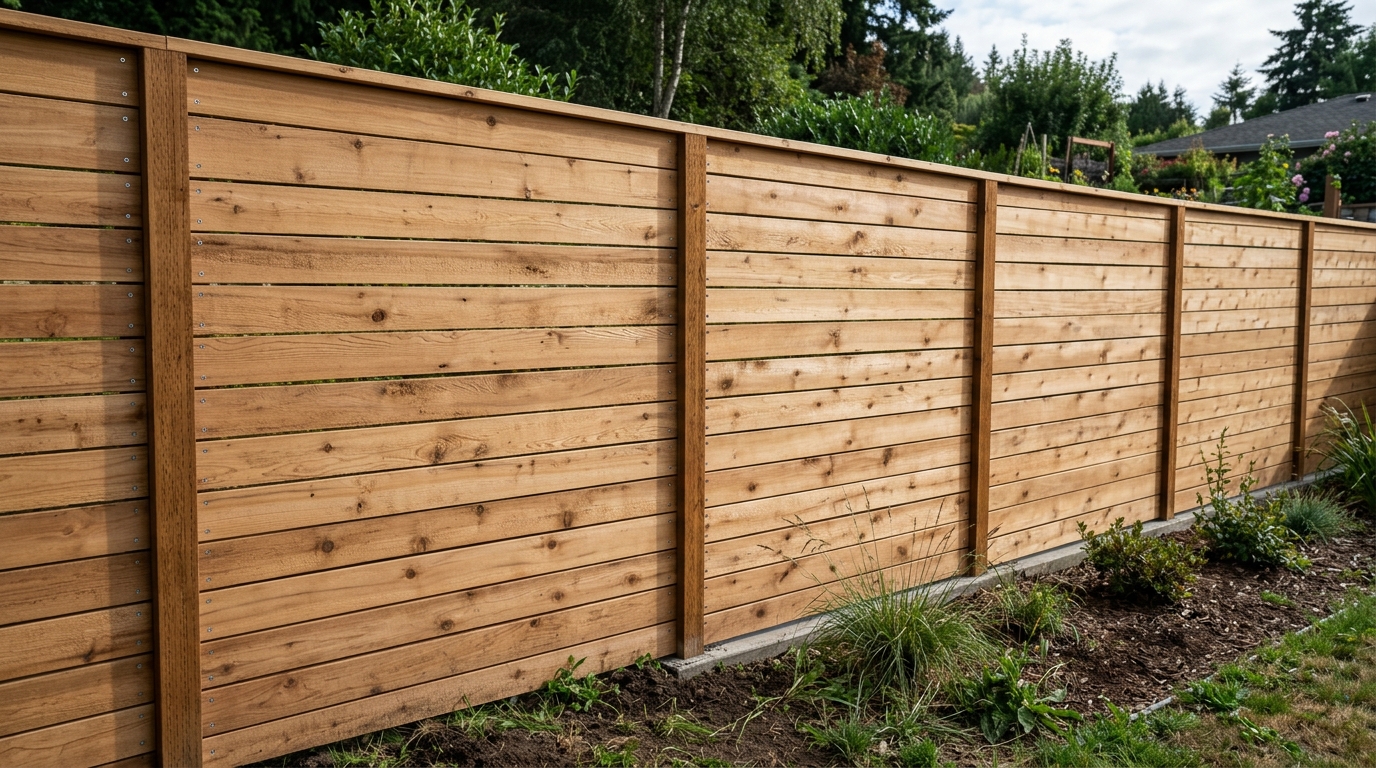
A horizontal wood fence gives a yard a clean, modern look while making the space feel wider and more open. Unlike vertical fencing, its boards span between posts, creating a distinctive appearance while increasing the risk of sagging, bowing, and wind damage. Choosing the right wood, post spacing, fasteners, and support structure is essential for a fence that stays straight and secure.
Whether you want privacy, a defined garden boundary, or a contemporary backdrop for your outdoor space, the design involves more than turning fence boards sideways. Local codes, climate, maintenance requirements, and installation costs all affect the best approach. Understanding these factors helps balance visual appeal with long-term performance.
A horizontal wood fence is a style in which the boards or slats run parallel to the ground instead of standing vertically. Its clean lines and simple geometry create a modern appearance that suits contemporary homes, landscaped yards, and minimalist outdoor spaces. Homeowners commonly use this design along side and rear property lines, around gardens, and for privacy screening in residential yards. Depending on the board spacing and fence height, a horizontal fence can provide anything from partial separation to substantial visual privacy.
Unlike traditional vertical fencing, horizontal boards span between posts, so they may be more susceptible to sagging, bowing, splitting, and wind pressure. Properly spaced posts, sturdy framing, and suitable fasteners help support the boards over time, particularly on tall privacy fences. Horizontal layouts can also make a narrow yard appear wider, while vertical pickets tend to emphasize height. Wood species, finish, drainage, and local fencing codes also affect the fence’s durability, maintenance requirements, and suitability for a specific property.
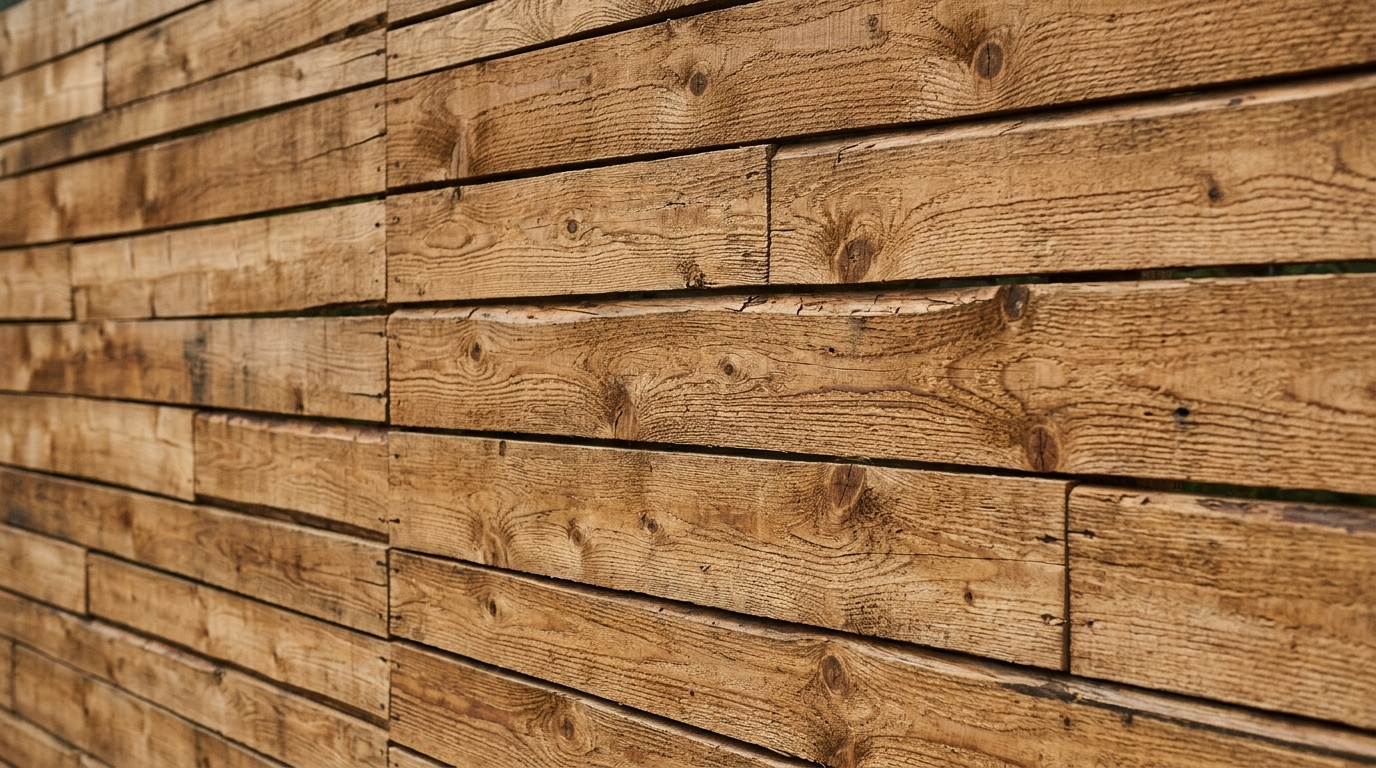
Horizontal fence styles range from fully enclosed privacy panels to open layouts that emphasize airflow and visibility. Solid panels use tightly joined boards for maximum screening, while spaced slats leave consistent gaps for a lighter appearance and better wind passage. In a horizontal shadowbox design, boards are attached to alternating sides of the rails or framing, creating a similar look from either side while preserving some airflow. Board-on-board construction overlaps the boards to reduce sightlines, making it an effective privacy option, although it uses more material. Mixed-material fences may combine wood with metal posts, masonry, or composite slats for added contrast, strength, or reduced maintenance.
Material selection affects the fence’s appearance, price, lifespan, and care requirements. Cedar has a warm, natural grain and good resistance to decay at a mid-to-high cost, while redwood offers rich color and strong rot resistance but is often more expensive and less widely available. Pressure-treated pine is usually the most budget-friendly wood choice and resists insects and moisture through chemical treatment, though it can twist, shrink, or develop a greenish cast as it ages. Douglas fir provides consistent grain and moderate pricing, but it generally needs thorough sealing and regular maintenance to perform well outdoors. Tropical hardwoods are dense, durable, and visually distinctive, yet their higher purchase price and weight can increase installation complexity and maintenance requirements.
Wood-plastic composite provides consistent color and resistance to rot, insects, and routine moisture exposure, but it typically costs more upfront than pressure-treated pine and may expand or contract with temperature changes. Cedar, redwood, fir, and pine can be stained or painted, allowing color changes, while tropical hardwoods are often left natural or treated with a penetrating oil. Regardless of material, horizontal boards span between posts, so wide or long boards need adequately spaced, well-anchored posts and sturdy rails to limit sagging, bowing, and wind movement. A solid privacy fence generally requires more structural support than spaced slats, especially in exposed locations. Comparing the desired level of privacy with the local climate, budget, and willingness to reseal or refinish the fence will help determine the most suitable combination of style and material.
Horizontal fence boards need a stronger frame because each board spans from post to post instead of being supported along its height by horizontal rails. Longer spans can cause boards to sag, bow, split around fasteners, or pull loose when wind pressure presses against a solid privacy fence. Posts are commonly spaced about 6 to 8 feet apart, although shorter spans may be appropriate for tall fences, heavy boards, exposed sites, or local structural requirements. Use firmly set, properly sized posts, and consider larger posts or deeper footings where soil conditions and wind loads require additional stability.
Thicker boards, such as five-quarter stock or heavier material, resist bending better than thin fence boards, while intermediate posts or blocking can reduce the unsupported span. Fasteners should be corrosion-resistant and long enough to penetrate the board and framing securely without causing splitting. Using two fasteners at each support can help limit twisting. Leave a small, consistent gap between boards to allow drainage, ventilation, and seasonal movement, and keep the lowest board several inches above soil, mulch, and standing water. A gravel strip or carefully finished bottom edge can further reduce moisture exposure and premature decay.
Before construction, check local permitting rules, property-line requirements, and maximum fence heights because horizontal privacy fences are often subject to the same regulations as other solid fences. Some jurisdictions impose lower height limits in front yards or require increased visibility near driveways, sidewalks, and street corners. Pool-area fencing may also have separate requirements for height, openings, gates, and climb resistance. Designing the post layout and foundation around these rules helps prevent costly modifications after installation.
Installed horizontal wood fencing typically costs about $10 to $30 per linear foot, although local labor rates, fence height, wood species, and site conditions can change the final price. Pressure-treated pine usually falls toward the lower end, while cedar and other naturally durable woods cost more because of their material price and finishing requirements. Full-privacy designs, closely spaced boards, taller sections, custom layouts, and decorative details also increase the budget. Sloped or rocky ground, limited access, tree roots, and extensive grading can add labor because they make excavation and alignment more difficult.
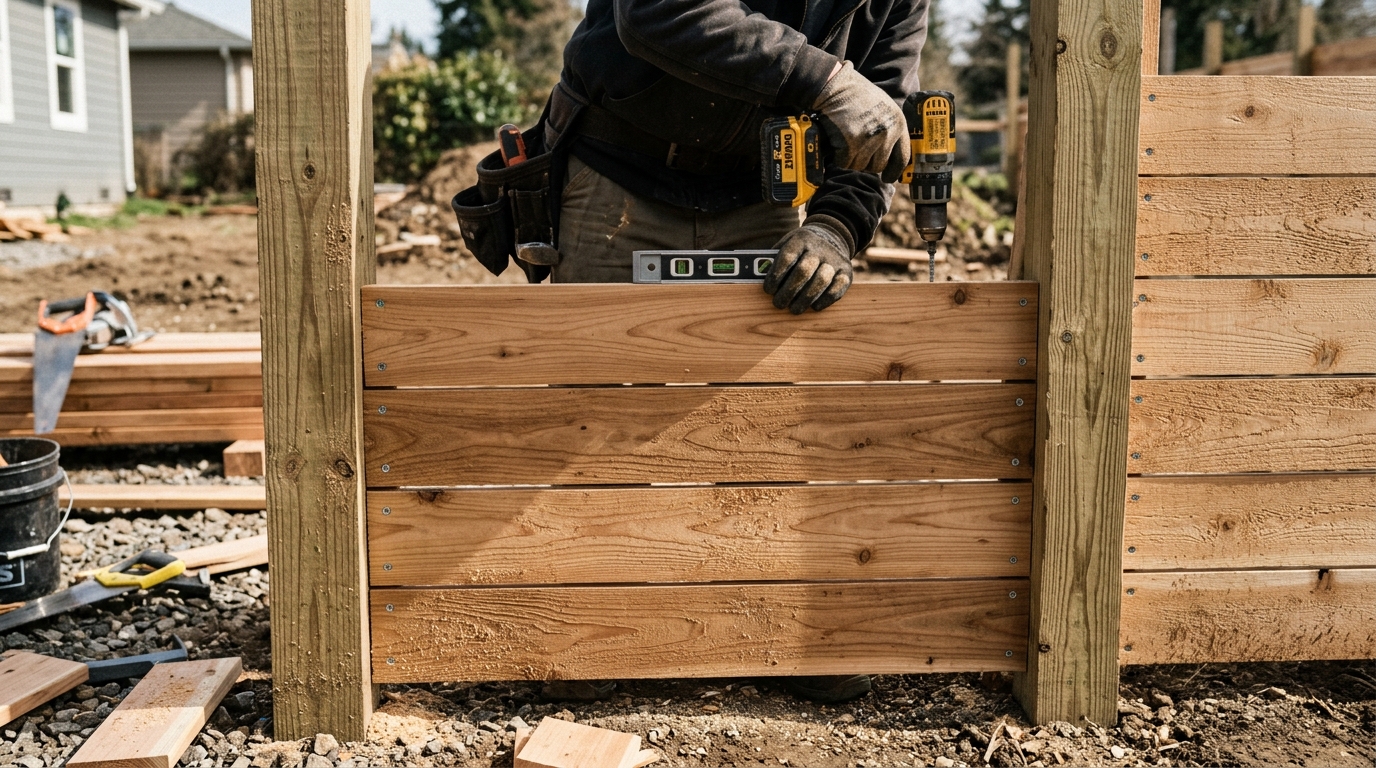
Installation begins with confirming the property line, reviewing local setbacks and permit requirements, and marking the fence run, corners, gates, and changes in elevation. The crew then excavates post holes to the appropriate depth, sets the posts in concrete, and allows them to stabilize before attaching the horizontal framing. Because horizontal boards span between posts and can sag or bow, installers may use closely spaced posts, stronger rails, or additional blocking, particularly for tall privacy fences and windy locations. Careful layout at this stage helps keep the finished fence straight and ensures that gates have adequate clearance.
Once the frame is secure, the boards are cut and attached with corrosion-resistant fasteners. Consistent spacing or overlapping edges can then be used to achieve the desired privacy level. Gates are installed with reinforced framing, heavy-duty hinges, and a latch that can support the gate’s weight without allowing it to drag. The final step is sealing or staining the wood, which helps limit moisture absorption, checking, and color changes, although the finish requires periodic maintenance. A detailed estimate should identify the wood species, fence height, board pattern, post spacing, gate hardware, removal work, and any site-specific charges.
A durable horizontal wood fence starts with components that resist moisture and structural stress. Use decay-resistant posts, such as properly treated wood or naturally durable species, and keep the post bases out of standing water with well-drained, compacted soil or gravel. Galvanized or stainless-steel screws, brackets, and other hardware help prevent rust stains and maintain strong connections over time. Horizontal boards should also have adequate spacing and support so they can shed water and resist bowing, sagging, and wind movement. Applying a compatible stain, paint, or exterior sealer helps limit water absorption and ultraviolet damage, although every finish requires periodic reapplication.
Inspect the fence at least once or twice a year, with additional checks after severe weather. Look for soft or discolored wood that may indicate rot, loose or corroded fasteners, warped or split boards, insect tunnels, mildew, and peeling, faded, or blistered finish. Pay special attention to the lower edges of boards and the areas where posts meet the ground, since these locations stay damp the longest. Clean mildew and surface dirt before refinishing, and correct drainage problems that allow water to collect near the fence. Keeping plants, soil, and sprinklers from remaining against the wood can also reduce moisture and insect-related damage.
Small problems are usually easier and less expensive to repair before they spread through adjacent boards or weaken a post. Tighten or replace loose fasteners with compatible corrosion-resistant hardware, and replace individual boards that are badly warped, split, insect-damaged, or softened by decay. A post with significant rot, movement, or cracking may require temporary support and full replacement rather than a surface repair. When replacing boards, match the wood species, dimensions, spacing, and finish as closely as possible to preserve the fence’s appearance and performance. After repairs, reseal exposed cut ends and inspect the surrounding structure to identify the moisture source that caused the damage.
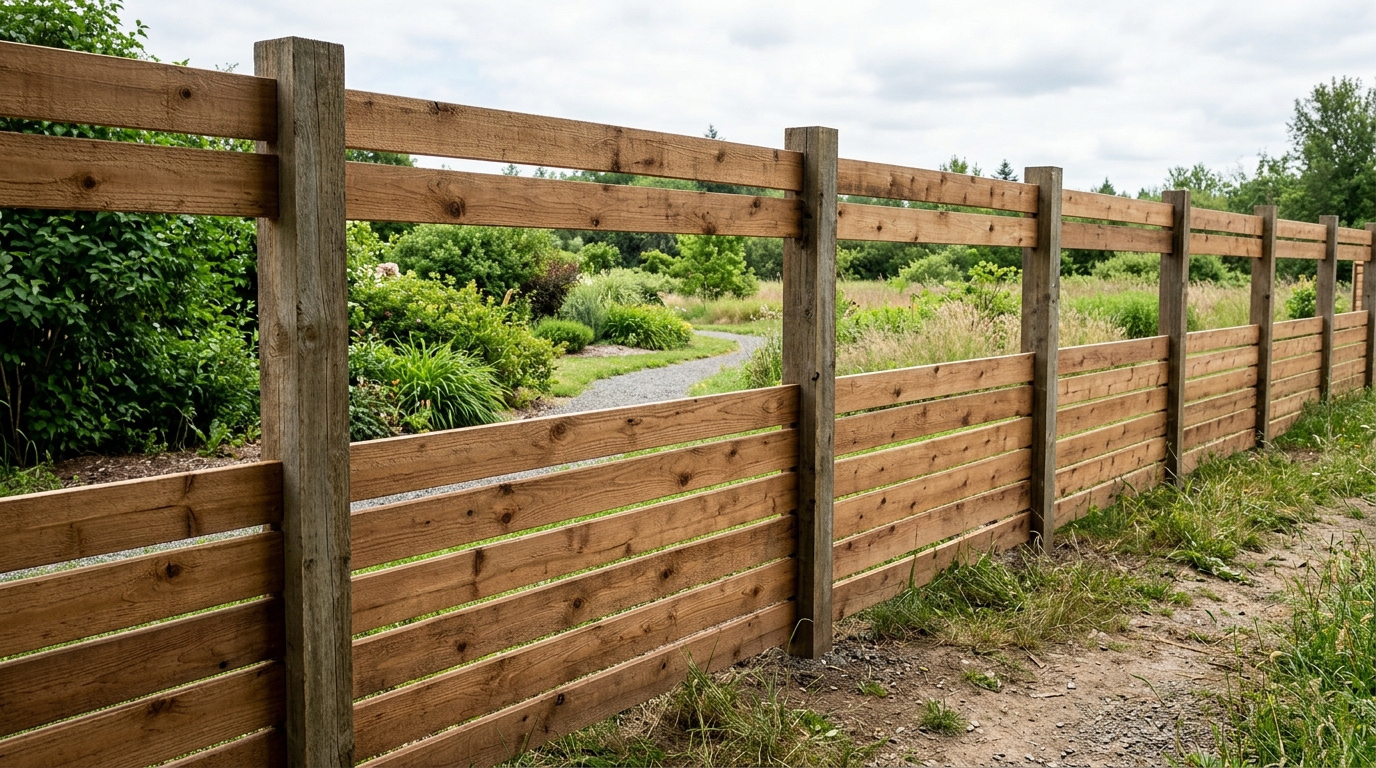
Horizontal wood fencing provides a clean, contemporary appearance, and its continuous lines can make a yard feel wider and more open. Western red cedar, redwood, pressure-treated pine, Douglas fir, and tropical hardwoods each offer different combinations of durability, appearance, availability, and cost. Composite boards can provide a similar look with less routine staining, although they may have different installation requirements and a higher initial price. Because the boards span between posts, long horizontal runs need sturdy posts, closely spaced supports, and properly sized rails or framing to limit sagging, bowing, splitting, and wind movement.
The total cost depends on the wood species, fence height, board design, site access, labor, and amount of reinforcement required, so a horizontal fence is not always priced like a basic vertical picket fence. Maintenance typically includes cleaning, inspecting fasteners and joints, and periodically applying a stain or sealer suited to the wood and local weather. Moisture, intense sun, freeze-thaw cycles, soil conditions, termites, and strong winds can all affect service life, while local property, setback, and pool-safety rules may influence the design. Selecting suitable wood, reinforcing long spans, and planning for regional conditions are essential steps toward a durable, attractive horizontal wood fence.
Horizontal wood fencing combines a clean, contemporary appearance with practical privacy and boundary control. Because the boards run parallel to the ground, they can make a yard appear wider and complement modern home designs, gardens, and outdoor living areas. Cedar, redwood, pressure-treated pine, Douglas fir, and tropical hardwoods are common choices, with each offering different levels of durability, cost, and maintenance requirements. The best material depends on the local climate, desired appearance, budget, and willingness to apply protective finishes.
Its main construction challenge is that longer horizontal boards can sag, bow, split, or experience greater wind pressure than shorter vertical pickets. Strong posts, properly spaced supports, suitable fasteners, and careful drainage are essential for a stable, long-lasting installation. Regular inspections, prompt repairs, and periodic staining or sealing can help protect the wood from moisture, ultraviolet exposure, insects, and decay. With sound design and ongoing care, a horizontal wood fence can provide durable privacy while adding a distinctive architectural element to the property.
VIEW OUR WORK
LEARN MORE
CONNECT WITH US