
Dealing with a broken fence is more than just a headache; it’s a legal puzzle that can quickly turn into a costly dispute. Understanding rental property fence liability is essential because rules are shifting to favor stricter safety and habitability standards. Whether a storm blew a panel down or a tenant’s dog dug its way out, knowing exactly who is on the hook for repairs saves you time and stress.
Most people assume the landlord always pays, but the reality depends on how the damage happened and what your lease actually says. I’ve seen small cracks turn into big lawsuits simply because neither side knew their responsibilities before the wood started to rot. Keeping your property secure and your relationships friendly starts with clear, practical knowledge of where the fence line, and the liability, truly sits.
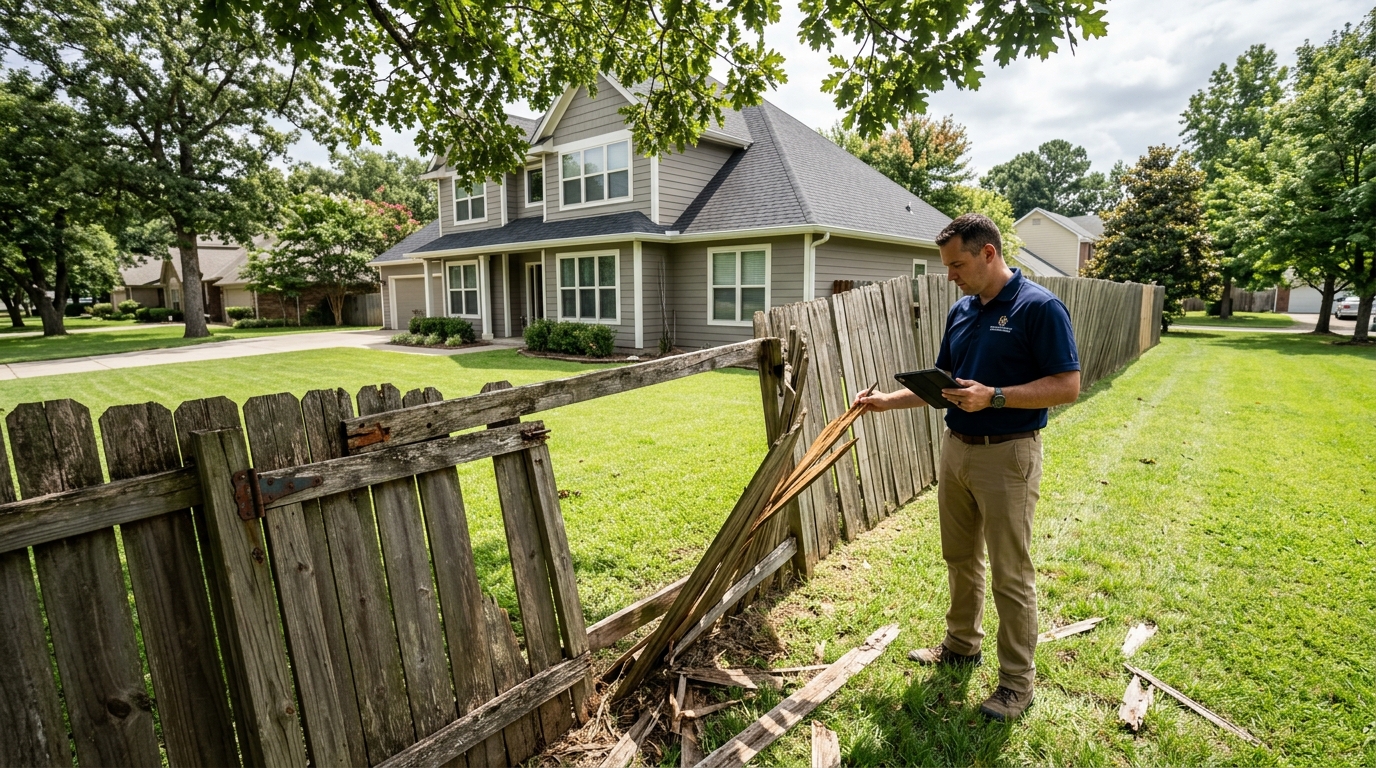
Distinguishing between natural wear and tear and tenant negligence is the first step in managing your property's security. As a landlord, you are generally on the hook for issues caused by aging materials, shifting soil, or typical weather exposure. If a wooden post rots over a decade or a gate hinge snaps from years of honest use, that falls under your maintenance budget. Keeping these boundaries secure is part of providing a habitable home, so I always recommend regular inspections to catch these small fixes before they become major liabilities. High-durability fencing can often minimize these long-term costs by standing up better to the elements than standard residential options.
The financial burden shifts toward the tenant when damage is the result of specific actions or a lack of care. If a tenant’s dog chews through the slats or a guest accidentally backs their car into a section of the fence, that is a clear-cut case of tenant liability. I often see issues where heavy items are leaned against a fence, causing it to lean or buckle over time. These situations are not considered normal wear and tear because they stem from misuse rather than the passage of time. It is helpful to clearly outline these expectations in your lease so everyone knows who pays when a pet or a party causes a problem.
Focusing on high-quality security fencing is one of the smartest ways to reduce these headaches for your rental business. While standard fences might fail under the pressure of active pets or heavy foot traffic, commercial-grade security options are built to take a beating. By investing in stronger materials, you significantly lower the chances of a tenant accidentally damaging the perimeter. This proactive approach keeps the property safe and reduces the number of awkward conversations about repair bills. When the fence is tough enough to handle daily life, you spend less time worrying about liability and more time growing your investment.

Managing shared boundary fences requires a clear understanding of local regulations. Many regional statutes generally presume that both property owners are equally responsible for the costs of maintaining or replacing a shared fence. As a landlord, this means you are usually on the hook for half the bill when a wooden fence begins to rot or lean. I always recommend keeping an open line of communication with your neighbor before any work begins. Providing a thirty day written notice with a detailed cost estimate is not just polite, it is often a legal requirement to ensure you can recover those shared expenses.
When you are looking at long term liability and security, the type of fencing you choose makes a massive difference for your rental business. While traditional wood is common, many property managers are moving toward high durability materials like reinforced steel or heavy duty aluminum to minimize legal risks. These robust options provide a clear physical barrier that prevents trespassing and protects you from habitability claims related to property security. Investing in a stronger fence might cost more upfront, but it significantly reduces the chances of expensive neighbor disputes or tenant injuries down the road.
Navigating these repairs without ending up in a courtroom comes down to being proactive and professional. I suggest documenting the current state of the fence with photos and getting multiple quotes to show your neighbor that the requested costs are fair. If a neighbor is hesitant to pay, remind them that a sturdy and attractive fence increases the property value for both of you. By focusing on high quality materials and clear written agreements, you can protect your investment while maintaining a positive relationship with the people next door. Keeping things friendly and transparent is always the best way to handle these shared property responsibilities.
Upgrading to commercial-grade security fencing is one of the smartest moves you can make to protect your rental business from legal headaches. While standard residential materials might look nice, they often lack the structural integrity needed to withstand heavy use or determined intruders. By choosing high-durability materials like reinforced steel or heavy-duty aluminum, you create a formidable physical barrier that significantly reduces the risk of unauthorized access. This proactive approach shows that you are taking your duty of care seriously, which can be a vital defense if a security issue ever arises. It also means you spend less time worrying about minor repairs and more time focusing on your property management goals.
I always tell my clients that meeting local safety codes is not just about passing an inspection, it is about total peace of mind. Strict ordinances for pool enclosures and property perimeters are there for a reason, and falling short can lead to massive liability if an accident occurs. Investing in professional-grade fencing ensures your barriers won't sag or break over time, keeping you in constant compliance with the latest habitability standards. These upgrades act as an insurance policy for your reputation, helping you avoid the costly fines and lawsuits that come with negligence. When your property is secured with top-tier materials, you send a clear message to tenants and the community that safety is your number one priority.
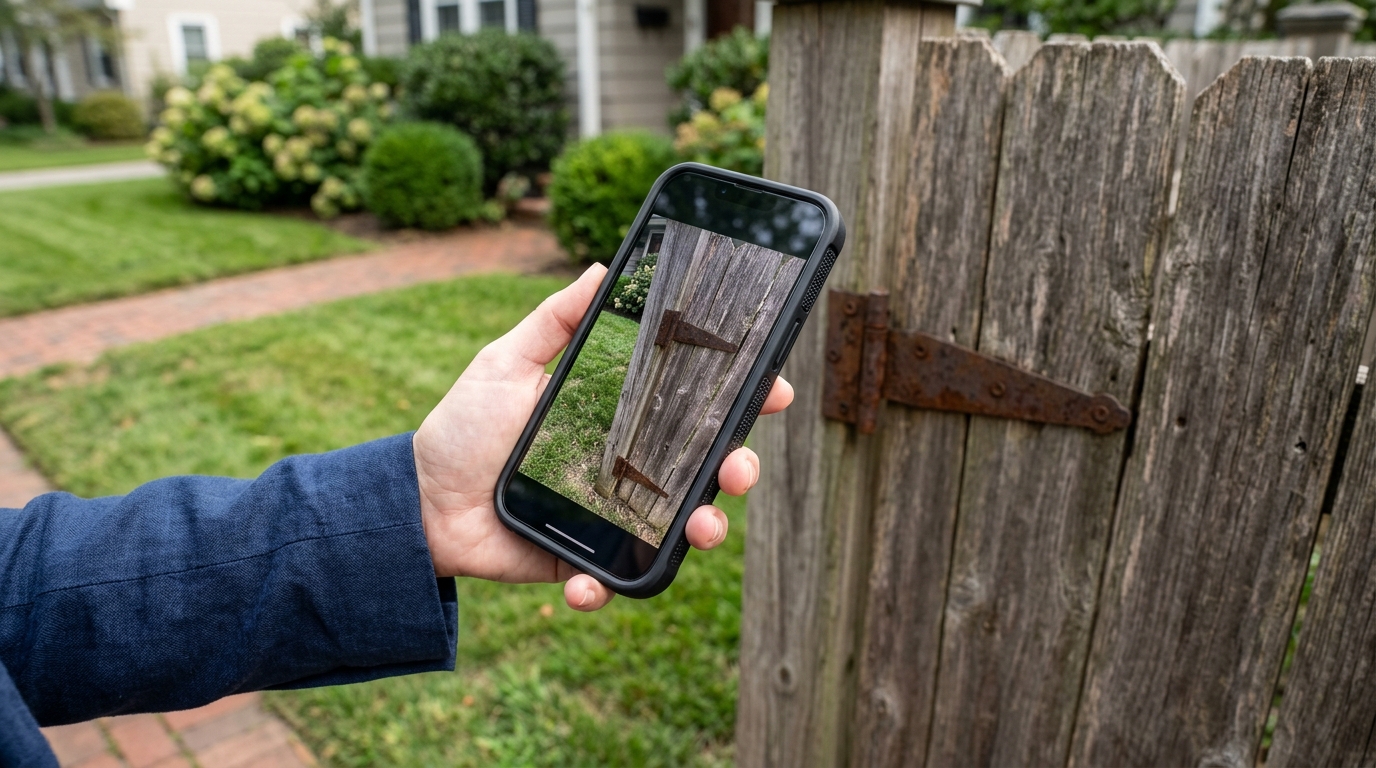
Protecting yourself from liability starts the very first day a tenant moves in. I always recommend using a detailed move-in checklist that specifically includes the fence, gates, and all locking hardware. Take clear, high-resolution photos of the entire perimeter to document that the structure is sturdy and the security latches are fully functional. When you and the tenant both sign off on the fence's condition, you create a solid paper trail. This document serves as your first line of defense if a security issue or damage claim arises later on.
Regular inspections are just as important as the initial walkthrough to keep your property safe. I make it a point to check the fence every few months for loose slats, rusted hinges, or signs of forced entry. If you spot a small issue during a routine visit, you can fix it before it turns into a major security risk or a legal headache. Keeping a simple log of these inspections shows that you are a proactive landlord who prioritizes safety. This consistent record proves you met your responsibility to maintain a secure environment for your tenants.
High-quality security fencing is a smart investment, but even the best materials need proper documentation. If a tenant's pet damages a panel or a guest hits the gate with a car, your records will clearly show the damage was not there before. Having this proof makes it much easier to hold the responsible party accountable for repair costs. It also helps you avoid disputes over wear and tear versus intentional damage. By staying organized with your paperwork, you protect your bottom line and ensure the property remains a secure place to live.
Ultimately, protecting your rental property comes down to being proactive rather than reactive. When you invest in high-quality, durable security fencing, you are doing more than just marking a boundary. You are building a physical barrier against potential lawsuits and safety hazards. By choosing materials that stand up to heavy use and harsh weather, you significantly lower the chances of a structural failure. This straightforward approach keeps your tenants safe and gives you peace of mind knowing your assets are well protected.
Regular maintenance checks are the secret to keeping your liability risks as low as possible. I always recommend walking the perimeter once or twice a year to catch small issues before they turn into expensive legal headaches. If you fix a loose post or a sharp edge today, you prevent a serious injury or a security breach tomorrow. This level of care shows your tenants that you value their safety and helps property managers avoid unnecessary disputes. Clear communication and solid materials are your best tools for a successful, low stress rental experience.
If a storm or heavy winds knock down a fence panel, the landlord is usually responsible for the repairs. Since weather damage is considered an act of nature and falls under general property maintenance, it is the owner's job to keep the perimeter secure. I always suggest fixing these issues quickly to keep the property safe and maintain a good relationship with your tenants.
When a tenant's dog chews through slats or digs under the fence, the repair costs fall on the tenant. This is considered damage beyond normal wear and tear because it was caused by their specific living situation. I recommend documenting the damage with photos and getting a clear repair estimate to show the tenant why they are being charged.
Yes, landlords are responsible for fixing fences that fail due to aging, rot, or shifting soil. These issues are part of everyday wear and tear that comes with owning a property over many years. Regular inspections help you catch a rotting post early so you can replace it before the whole fence collapses.
You certainly can because the tenant is generally responsible for the actions of their guests while on the property. Since hitting a fence with a vehicle is a clear case of negligence, the tenant or their guest's insurance should cover the fix. I find it best to handle these situations with a direct conversation and a copy of the repair bill.
If a tenant leans heavy items like wood or machinery against the fence and causes it to lean, they are liable for the damage. Fences are built to be boundaries, not storage supports, so this qualifies as improper use of the property. I suggest reminding tenants during move-in that the fence needs to stay clear of heavy weight to avoid extra charges.
The lease is the ultimate guide for who pays for what, so it is vital to have clear language about fence upkeep. Choosing the right Fencing For Rental Properties can be a money sucker for property owners, but the law usually requires landlords to handle structural safety. Before starting a repair, it is helpful to determine which fence is mine to ensure you are only maintaining your own legal assets. I always tell folks to double check their contracts to ensure there are no surprises when a board snaps. When planning long-term upgrades, you might wonder what type of fence is the most durable for your specific climate and property needs.
VIEW OUR WORK
LEARN MORE
CONNECT WITH US