
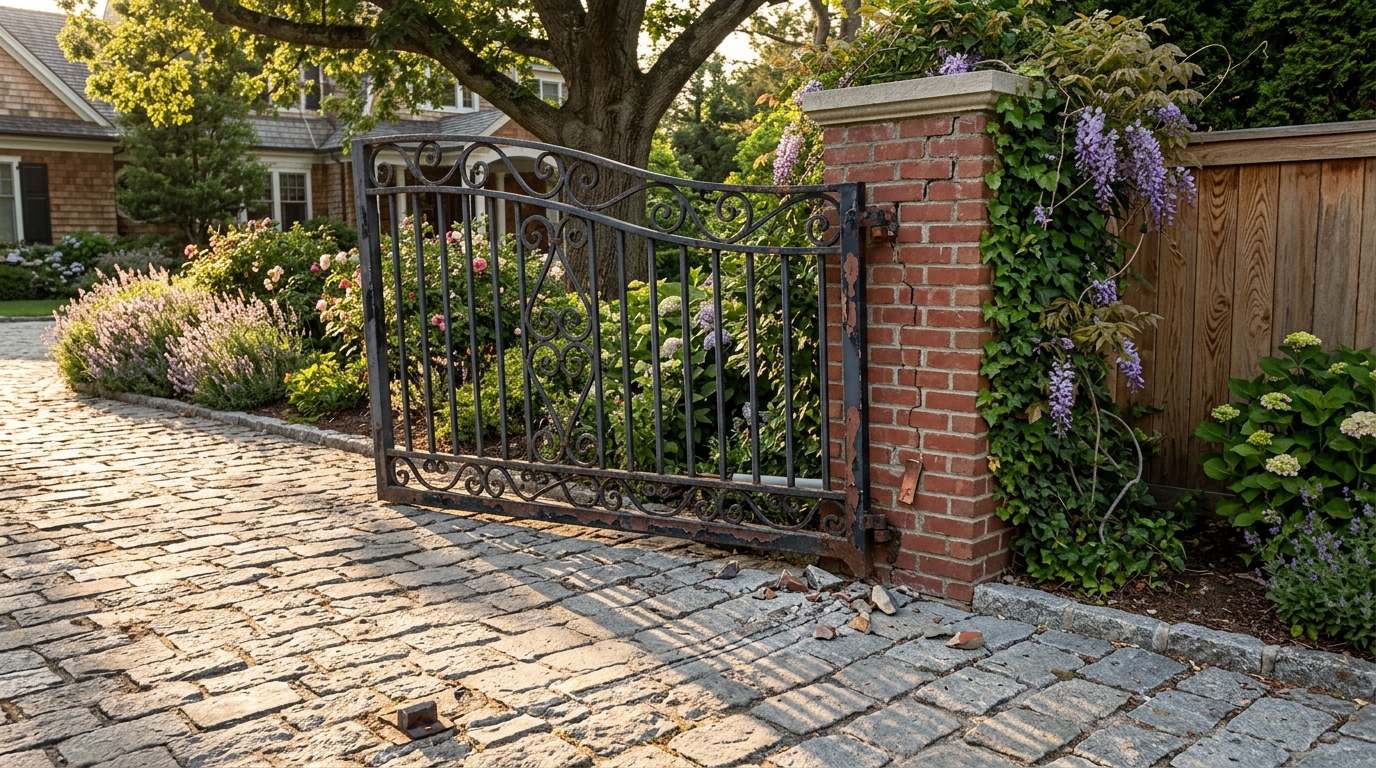
Installing a custom gate is one of the best ways to turn your driveway into a piece of functional art, but it’s easier than you think to run into trouble. As styles evolve, I’m seeing more homeowners fall into common custom gate design mistakes that turn a beautiful entrance into a mechanical nightmare. A gate that looks stunning on day one isn't worth much if it starts sagging or stops opening properly after just a few months.
The secret to a gate that lasts for years is focusing on what’s happening beneath the surface and behind the hinges. From choosing hardware that can't handle the weight to ignoring how deep your posts need to go, small oversights can lead to expensive repairs or even safety risks. I want to help you get the structural details right the first time so your gate stays level, moves smoothly, and works perfectly every time you pull into the driveway.
One of the biggest mistakes I see in custom gate design is treating the foundation as an afterthought rather than the backbone of the entire project. When you are investing in a beautiful, heavy gate, the soil alone simply cannot support that weight over time. I always recommend setting your posts at least a third of their total height underground, which usually means digging down about 24 to 36 inches. This depth ensures that the post stays perfectly vertical even as the gate swings back and forth thousands of times. Without this solid concrete anchor, you will likely notice your gate beginning to lean or drag against the driveway within just a few months.
If you live in an area where the ground freezes, ignoring the frost line is a recipe for trouble. When the ground freezes and thaws, it causes the earth to heave, which can push your gate posts out of alignment and ruin your automation system. I have seen many motors burn out because they were struggling to pull a gate that was no longer level due to shifting soil. By pouring your footings deep enough to get below that frost line, you protect your investment from the changing seasons. It might seem like extra work during the installation phase, but it saves you from constant repairs and adjustments down the road.
The hardware you choose needs to be a perfect match for the actual weight of the gate rather than just looking pretty. Many people make the mistake of using standard hinges on heavy, bespoke metal gates, which leads to rapid wear and sagging. I suggest using professional grade hardware with advanced weather coatings to ensure everything moves smoothly for years to come. When the hinges are strong enough to handle the load, the gate feels light as air and puts much less stress on the structural posts. Keeping these structural details in mind ensures your gate remains a functional piece of art rather than a maintenance headache.
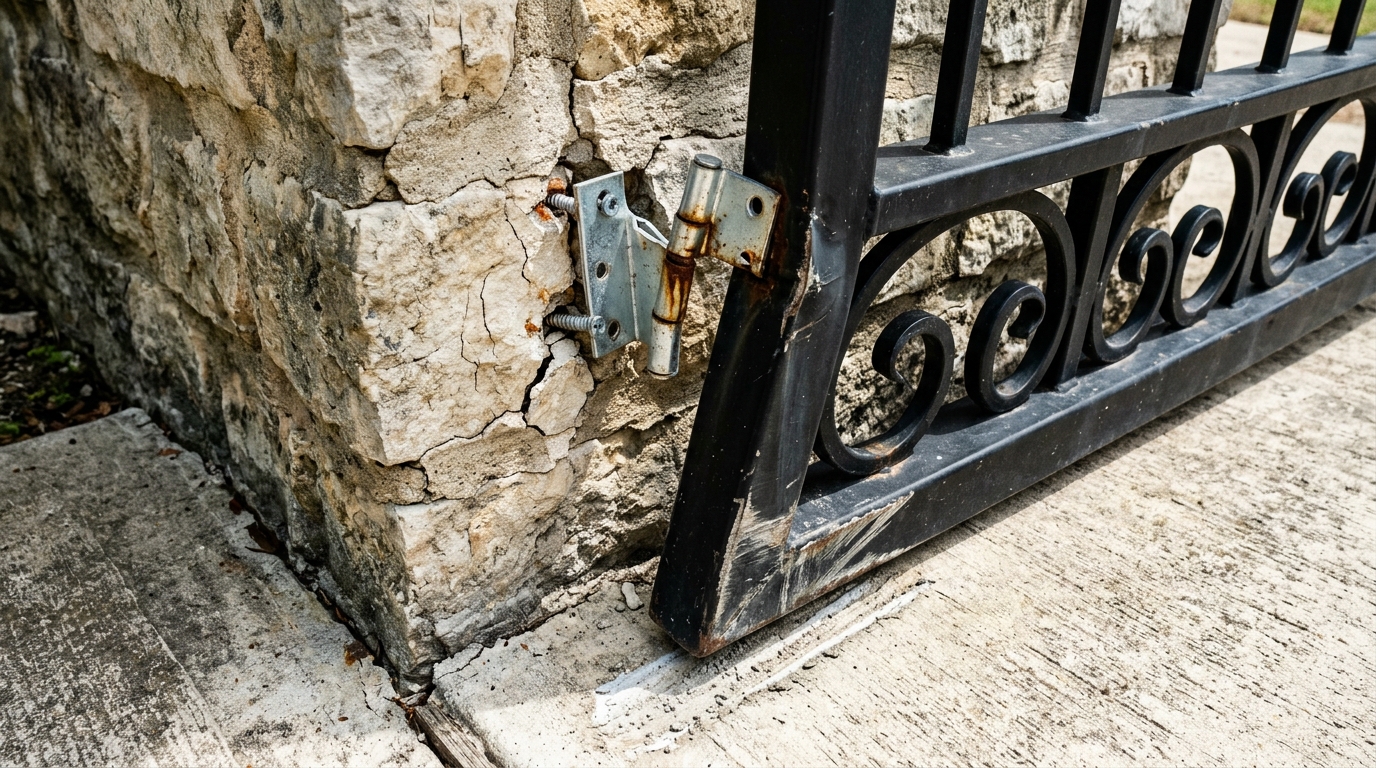
Choosing a beautiful custom gate is an exciting process, but it is easy to get distracted by the aesthetics and forget about the physics involved. Many homeowners make the mistake of using standard, off the shelf hinges for heavy metal or solid wood gates that weigh hundreds of pounds. These basic components are simply not designed to handle the constant tension and leverage of a bespoke installation. Over time, the weight will cause the hardware to bend or snap, leading to a sagging gate that scrapes the ground and ruins your curb appeal. I always tell my clients that your gate is only as reliable as the pivot point it swings on.
To avoid a mechanical disaster, you need to select professional grade hardware that is specifically rated for your gate’s exact weight and width. High end gates often require heavy duty ball bearing hinges or sealed power hinges that can support massive loads without breaking a sweat. These components are engineered to distribute weight evenly, ensuring the gate opens smoothly for years rather than months. Investing in the right hardware also protects your automation system, as a well balanced gate puts much less strain on the motor. Selecting the different materials and weather resistant coatings will ensure your investment stays functional and safe in any season.
When you are planning your project, think of the hardware as the invisible backbone of your entire design. It might be tempting to save a few dollars on smaller hinges, but the cost of repairing a fallen gate or a burnt out motor is much higher in the long run. I recommend looking for hardware that offers adjustable features, which allows for tiny tweaks if the ground shifts slightly over time. This proactive approach keeps your gate perfectly aligned and prevents those annoying clicking or grinding sounds. By matching the strength of your hardware to the ambition of your design, you ensure that your custom entrance remains a masterpiece of functional art.
When you are designing a high-end custom gate, it is easy to get swept up in the beautiful ironwork or sleek wood finishes. However, the most important part of your project actually happens behind the hinges with safety compliance. Professional installers always make sure to follow UL 325 standards, which are the industry guidelines for automated gate safety. These rules require specific sensors and reversing mechanisms to prevent the gate from closing on a vehicle or a person. Skipping these features might save a little money upfront, but it creates a massive liability and puts your family at risk.
Automation pitfalls often stem from choosing a motor that cannot handle the unique weight or wind resistance of a bespoke design. If your motor is underpowered, it will strain every time it opens, leading to a burnt-out system within just a few years. We see many homeowners forget to include photo-eye sensors or edge sensors, which act as the eyes of your gate. These devices detect obstructions before contact is even made, ensuring the motor stops instantly. Investing in high-quality, weather-rated electronics ensures your heavy gate moves smoothly and safely in any season.
Legal requirements are not just about paperwork, they are about making sure your investment remains a functional part of your home. If a gate is not installed with the correct safety clearances, it can create pinch points where hands or limbs can get caught. We recommend working with a professional who understands how to integrate these safety features without ruining the look of your custom art piece. Modern technology allows us to hide many of these sensors so they do not distract from the gate's aesthetic. Proper planning ensures your entrance is as secure and compliant as it is beautiful.
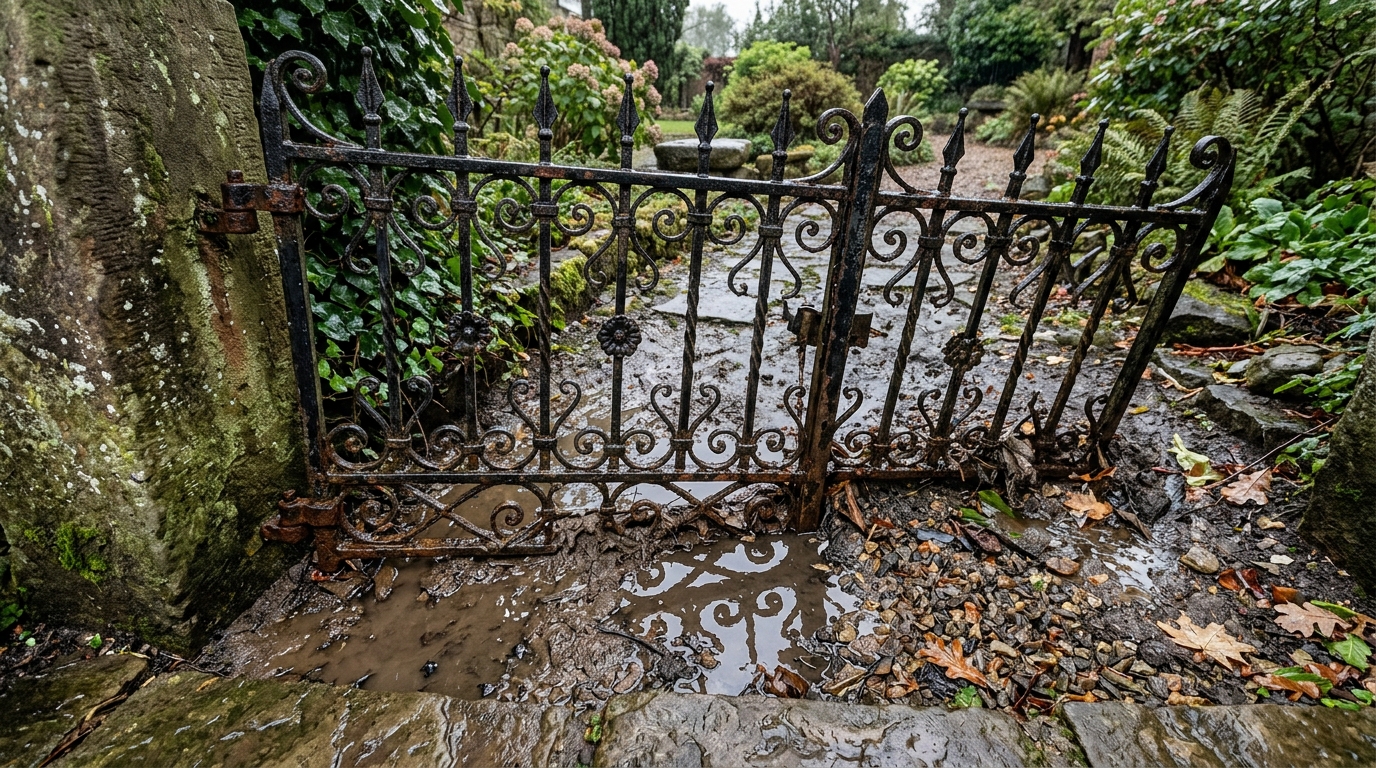
One of the most common oversights I see in high end gate projects is a total lack of respect for water runoff. When you install a custom gate, you have to imagine where the rain will go during a heavy downpour so it doesn't pool around your motor or track. If your driveway has even a slight slope, water will naturally follow the path of least resistance and settle in the low spots. Without proper trenching or French drains, that standing water will eventually corrode your gate hardware and fry your electronic sensors. I always tell my clients that a beautiful gate is only as good as the drainage system keeping its components dry.
In colder regions, forgetting about the frost line is a mistake that will literally move the earth beneath your feet. When the ground freezes and thaws, the soil expands and contracts, which can push your gate posts out of alignment by just a fraction of an inch. While that might not sound like much, even a tiny shift can cause a heavy custom gate to bind or fail to latch properly. To prevent this, your footings must be poured deep enough to sit well below the local frost line to ensure the foundation stays perfectly still. This simple step saves you from the headache of a gate that won't close every time the temperature drops.
You also need to think about how environmental debris like mud and leaves will interact with your gate tracks over time. A track that sits flush with the ground might look sleek, but it often acts as a trap for gunk that can derail your gate or burn out the motor. I recommend slightly elevating the track area or using specialized debris shields to keep your entrance running smoothly and functional. Keeping your electronics housed in weatherproof, elevated enclosures is another smart move to protect your investment from the elements. Understanding why a steel framework is essential for certain designs can also help mitigate environmental warping and structural shifts. Taking these small precautions during the design phase ensures your gate stays as reliable as it is beautiful.
Avoiding these common design mistakes is the best way to ensure your investment stands the test of time. A custom gate should be a beautiful addition to your property, but it loses its charm quickly if it starts sagging or sticking. By focusing on a solid foundation and matching your hardware to the actual weight of the gate, you prevent the mechanical failures that plague so many DIY projects. It is much easier to dig a deeper post hole today than it is to reinstall an entire motor system next year. Taking these extra steps during the planning phase ensures your entrance remains a functional piece of art for decades.
Your home deserves an entrance that works as perfectly as it looks. While it might be tempting to prioritize style over structure, the most successful projects find a perfect balance between the two. Remember that smart automation and heavy custom materials require a professional approach to physics and climate conditions. When you take the time to account for things like the frost line and weight distribution, you are protecting your home and your wallet. I always tell my friends that a little bit of foresight is the secret ingredient to an electric gate in Los Angeles that stays quiet, smooth, and reliable.
I always recommend setting your posts at least a third of their total height underground. For most standard gates, this means digging down about 24 to 36 inches to create a solid concrete anchor. This depth keeps your gate perfectly vertical and prevents it from leaning or dragging over time.
When the ground freezes and thaws, the earth can actually heave and push your posts out of alignment. This movement ruins your automation system and can even burn out your motors. You have to ensure your foundations go below the frost line to keep everything moving smoothly year round.
Standard hardware simply cannot handle the constant weight and movement of a heavy driveway gate. I suggest using heavy duty, greaseable hinges that are specifically rated for the weight of your gate material. Using the wrong hardware is a safety risk and will lead to sagging within just a few months.
If your posts are too thin or poorly anchored, they will begin to flex every time the gate moves. This flex puts unnecessary stress on your gate operator and can cause the entire system to fail. I always treat the foundation as the backbone of the project to ensure the gate stays level for years.
The best way to protect your motor is to make sure the gate is perfectly balanced and moves without any resistance. If your posts shift or your hinges bind up, the motor has to work twice as hard to do its job. A solid foundation and the right hardware are the best insurance for your automation system.
Investing in quality hardware is much cheaper than paying for constant repairs or a total system replacement later. I have seen many beautiful gates become mechanical nightmares because the owner tried to save a few dollars on hinges or posts. Getting the structural details right the first time saves you a lot of money and stress.
VIEW OUR WORK
LEARN MORE
CONNECT WITH US