
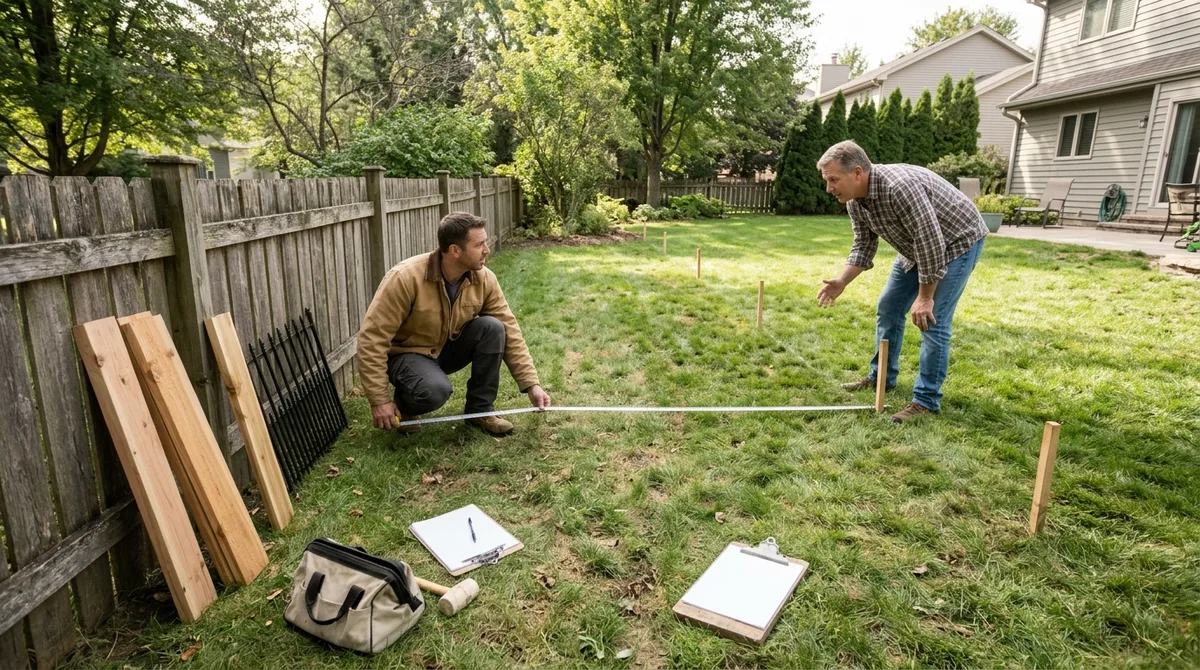
A fence quote checklist should include your property address, a marked fence route, approximate length and height, preferred material, gate details, access notes, and any removal or grading needs. Add a quick sketch showing corners, slopes, openings, existing structures, and any uncertainty about the property line. You do not need a formal survey to provide a useful starting point.
The exact address matters because Los Angeles City, unincorporated Los Angeles County, and nearby cities may have different permit and zoning processes. Before digging, the California Public Utilities Commission advises calling 811 at least two working days ahead so utility operators can mark underground lines for free. Bring your notes when you request a free estimate from us. We can help refine any details you are still deciding.
Prepare the full project address, whether the job is residential or commercial, a marked fence route, estimated length and height, preferred material, gate details, access notes, and any removal or grading needs.
Use this compact checklist to organize the details:
A rough sketch or marked-up property photo can show where the fence should run and where gates should go. Note anything you are unsure about rather than delaying your request. We provide free estimates and install fences and gates for residential and commercial properties. During the estimate, we can discuss the site details and refine the material, layout, and project scope.
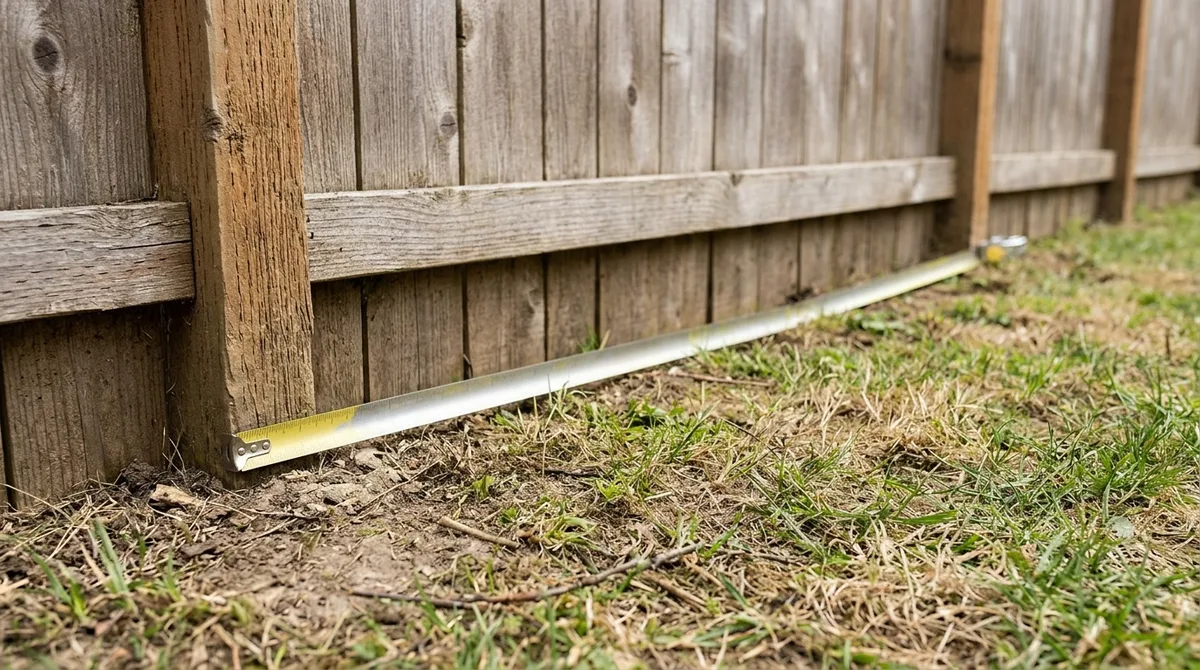
Include a simple sketch showing the proposed fence route, approximate measurements, desired height, openings, and nearby features. A hand-drawn plan or marked-up property photo is enough to communicate the layout. You do not need a formal survey to request an initial estimate.
Use the sketch to record the details we need to understand the project scope:
For a permit plan, the City of Glendale permit guidance asks for the proposed fence height and length, setbacks from property lines, and material or product information. These details can also make a quote easier to review, even if you are still checking whether a permit is needed.
Label measurements as approximate if you measured them yourself. Note where the fence may need to meet an existing structure or stop short of a driveway or sidewalk. A clear sketch helps us understand the route, identify questions about openings or boundaries, and prepare a more useful estimate without requiring a survey.
When describing the fence you want, include the material, your privacy and visibility goals, the appearance you prefer, your security needs, and the location and operation of each gate. Wood can create a more private, traditional look. Chain link keeps the area visible and comes in galvanized and vinyl-coated options. Wrought iron offers a distinct metal appearance, while vinyl is another option for a clean, solid fence style. Tell us which qualities matter most, not just the material you prefer.
For chain link, note whether you want privacy slats, a windscreen, or barbed wire. Slats and windscreens add screening, while barbed wire is a security add-on. Include any add-ons in your request so the estimate reflects the complete plan.
We list estimated prices of $20–$35 per linear foot for chain link, $40–$65 for wood, $40–$65 for vinyl, and $45–$60 for wrought iron. For a broader initial budget reference, Angi’s Los Angeles fence-installation guide reports an average of $29 per linear foot, with a range of $15–$60. These are starting estimates. The scope, material, terrain, and other project details can change the final price.
For each driveway or entry gate, describe its location, approximate opening, and intended use, such as vehicle access or a pedestrian entrance. Describe any specific gate-operation requirements. For commercial sites, explain how the gate will be used and whether security or controlled access is a priority. For residential sites, note which entrance it should serve. An approximate opening is useful even if you are still deciding on the gate style.
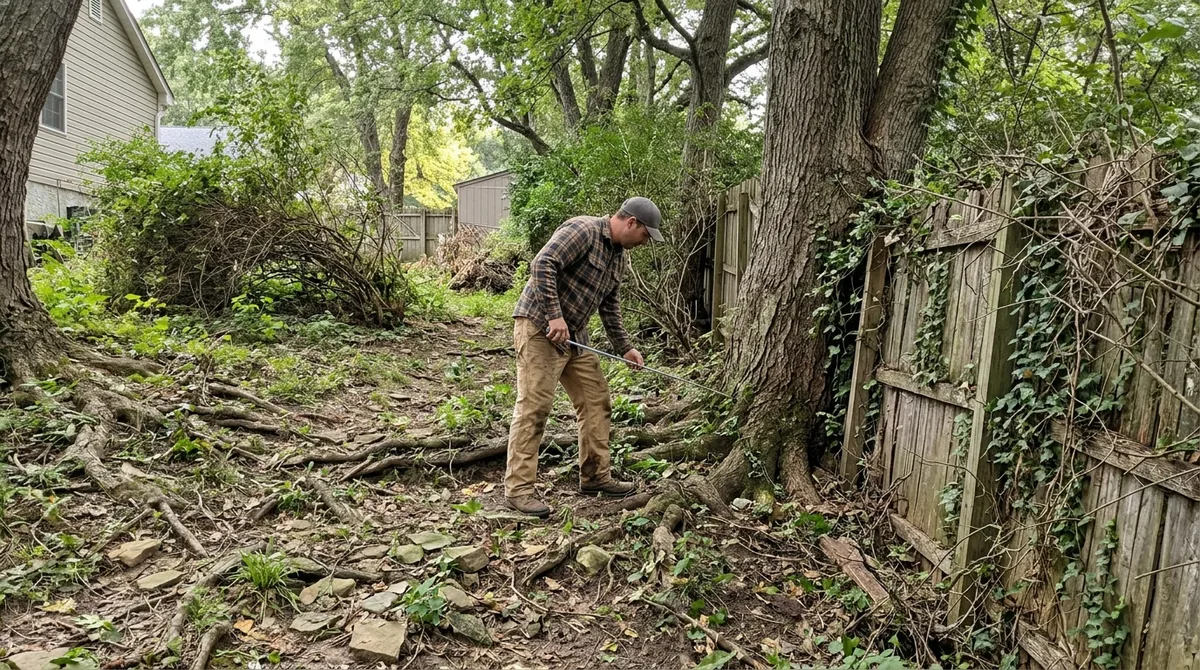
Site conditions can affect a fence quote because access, removal, ground preparation, and utility coordination influence the labor and work involved, not just the fence length.
Describe how workers and materials can reach the fence line. Mention narrow side passages, locked access points, stairs, nearby landscaping, and other obstacles. Also note whether delivery vehicles or installation equipment can get close to the work area.
Access: Identify tight passages, gates that need to be unlocked, stairs, plants, and other obstacles. Existing features: Tell us whether an old fence or gate needs to be removed. Ground preparation: Note uneven ground, grading, vegetation clearing, or other preparation that may be needed.
Point out visible utility equipment, such as meters or utility boxes, and share any known underground line locations. Ask how underground lines will be located before digging. Arrange for 811 utility marking at least two working days before digging. Utility operators provide the marks for free.
Be specific about what you expect the quote to include, such as removing an old gate or preparing a sloped section. If you are unsure whether grading or removal is needed, flag the area and ask us to assess it. Clear access and scope details help us prepare a more accurate estimate and reduce the chance that unplanned work changes the project price.
Yes. Local permit and zoning rules depend on the project address, so share the exact address, intended fence height, and location in the yard before pricing is finalized. Los Angeles City, unincorporated Los Angeles County, and nearby incorporated cities follow different processes. Do not assume one jurisdiction’s rules apply to another.
In Los Angeles City, the Los Angeles Department of Building and Safety says masonry or concrete fences over 3.5 feet high require a building permit. Other fences no more than 10 feet high are exempt from a building permit under the cited code exception, though zoning rules may still apply. The fence material and proposed height can affect what needs to be checked.
In unincorporated Los Angeles County, stated maximum heights are 42 inches in a front-yard setback and 6 feet in interior side and rear yards. The Los Angeles County Department of Regional Planning FAQs note that corner side yards, special districts, or overlays may bring additional restrictions. Nearby cities, such as Glendale or Santa Monica, may have their own permit and zoning processes. Confirm which jurisdiction covers the property before installation.
For a useful quote, identify whether the fence is in a front, side, or rear yard, and note if it is near a sidewalk or corner. Share the intended height and location so local requirements can be checked against the actual plan. If the fence follows an apparent boundary, coordinate with your neighbor early, especially if you plan to share costs.
California Civil Code section 841 presumes adjoining owners share equally in reasonable boundary-fence costs unless they agree otherwise in writing. It also requires 30 days’ prior written notice when an owner intends to incur those costs. Discuss the proposed fence and costs with your adjoining owner before work begins.
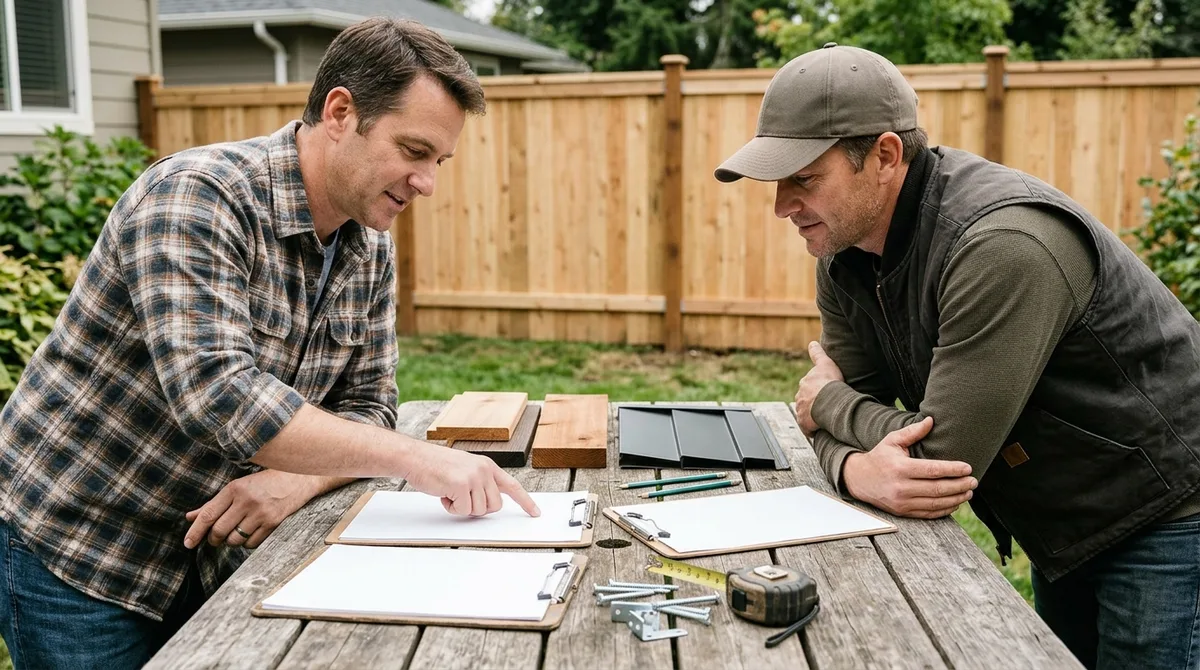
Give every contractor the same written scope and check that each price covers the same work, materials, gates, and project terms. The California Contractors State License Board recommends getting at least three written bids based on identical plans, specifications, and scope in its contractor-selection guidance.
Before comparing totals, check each quote for missing details or work listed as an extra. Use the same project notes for every request, then review each bid against these points:
When your notes are ready, call us at (424) 625-8561 to request a free estimate. Share the project address and whether the property is residential or commercial, then describe the fence route, material, gates, and any removal or access needs. If you are still choosing between options, tell us what matters most, such as privacy, visibility, or security.
We install fences and gates across Los Angeles and the San Fernando, San Gabriel, and San Bernardino Valleys. Our service area includes Beverly Hills, Bel-Air, Brentwood, Culver City, Hollywood, Santa Monica, Venice, Malibu, Pacific Palisades, South Bay beach cities, Burbank, Glendale, Calabasas, Encino, Chatsworth, Granada Hills, North Hollywood, and Northridge.
We install fences and gates for residential and commercial properties, with options including wood, chain link, wrought iron, and vinyl.
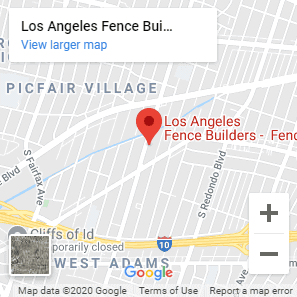
Call us with your details, or visit us at 1900 Hauser Blvd, Los Angeles, CA 90016. If you have a sketch or marked-up property photo, keep it handy so we can discuss the layout and prepare a more useful estimate.
Yes. You can request a fence quote while deciding between materials. Ask us to price both options using the same layout and project details so you can compare their costs and features.
Yes. Ask us to list the gate as a separate line item in the fence quote. This makes its cost clear and helps you compare bids with the same scope.
VIEW OUR WORK
LEARN MORE
CONNECT WITH US