
When you’re looking to upgrade your backyard, the choice between cedar vs redwood fencing is usually the first big decision you’ll face. Both of these premium softwoods look stunning and naturally fight off rot and pests without the need for harsh chemicals. It really comes down to finding that perfect balance between the upfront cost and how many decades of service you want from your investment.
Redwood is the heavier, tougher sibling of the two, offering a bit more density and a longer lifespan if your budget allows for it. Cedar is a fantastic, more affordable alternative that still brings that classic warmth and durability to your property line. I always tell homeowners to look at their local climate and long-term plans before picking a side.
When you are investing in a premium wood fence, you want to know that your money is buying years of worry-free performance. Both Western Red Cedar and California Redwood are famous for their natural chemistry, which includes special oils and tannins that act as a built-in defense system. These organic compounds work around the clock to repel hungry insects and prevent the wood from rotting when exposed to moisture. While both species are excellent at staying straight and resisting decay, redwood generally has a higher concentration of these protective tannins. This chemical advantage is a big reason why many homeowners see it as the gold standard for longevity.
The physical density of the wood also plays a major role in how long your fence will stand tall against the elements. Redwood is naturally harder and denser than cedar, measured at about 450 pounds on the Janka hardness rating scale compared to cedar's 350 pounds. This extra density means the wood is less likely to warp, split, or suffer from surface damage over time. Because it is structurally tougher, a well-maintained redwood fence can easily last 30 years or more. Cedar is still a fantastic performer that usually lasts up to 25 years, but that extra decade of life is often what justifies the higher price tag for redwood.
Choosing between these two really comes down to how long you plan on staying in your home and your specific local climate. If you live in a particularly damp area or want the absolute maximum lifespan possible, the extra investment in redwood pays off through its superior durability. Cedar offers a beautiful, high-end look at a slightly more accessible price point and still outperforms almost any other wood on the market. I always tell my clients that you cannot go wrong with either choice, but redwood is the way to go if you want the ultimate solution. Both materials provide a natural beauty that pressure-treated wood simply cannot match.
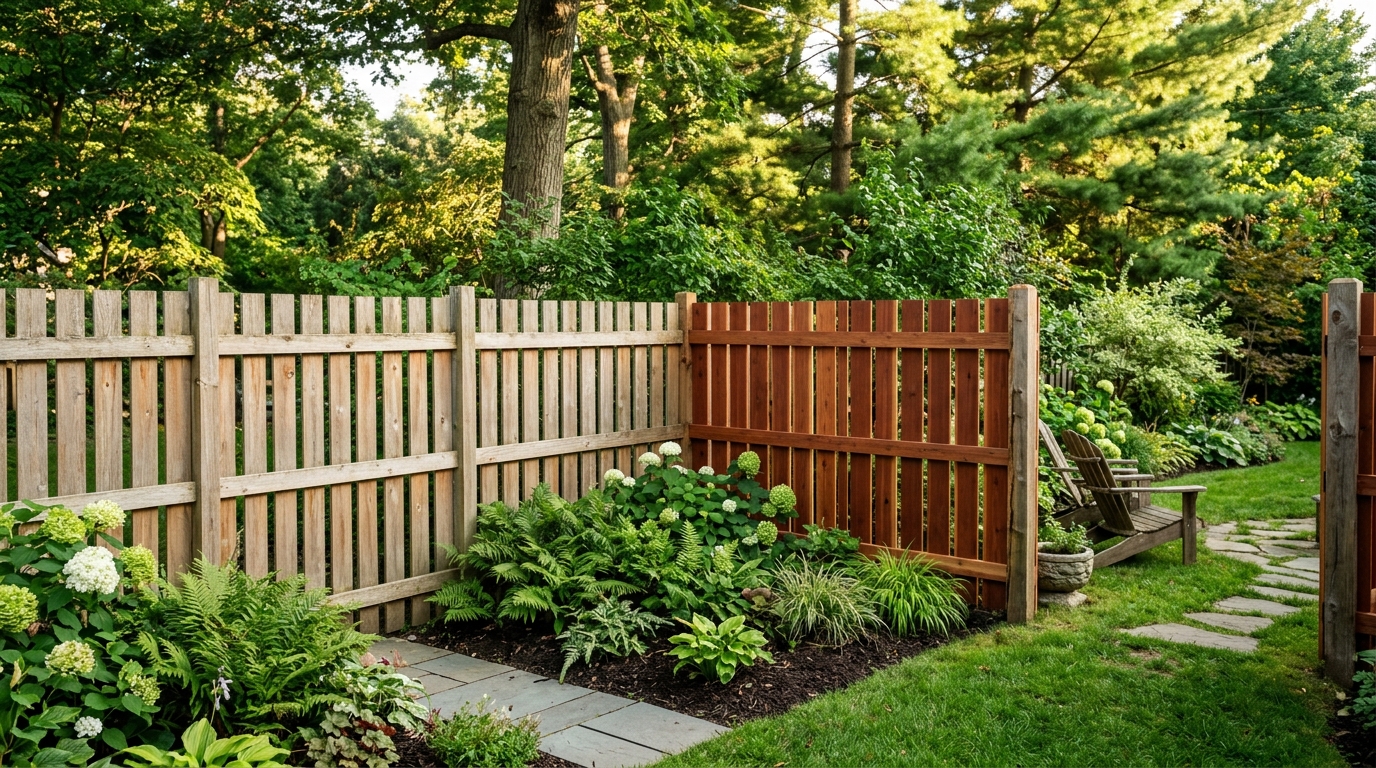
When you are standing in your backyard trying to envision the perfect boundary, the natural color of the wood is often the first thing you will notice. Western Red Cedar is a fantastic choice if you want a lighter, more versatile look that leans toward warm ambers and golden honey tones. It has a wonderful way of brightening up a space, making smaller yards feel a bit more open and airy. Over time, if you choose not to stain it, cedar will gracefully weather into a soft, silvery gray that looks very natural in coastal or rustic settings. This wood is perfect for homeowners who want a classic, inviting glow that complements green lawns and colorful flower beds.
If you are looking for something with a bit more drama and luxury, California Redwood offers a stunning palette of deep burgundies and rich chocolate browns. The heartwood of redwood is famous for its dark, reddish hues that create a sophisticated and high end feel for any property. This deep color provides a beautiful contrast against modern architecture or stone landscaping elements. Because redwood is denser and more uniform in its grain, the color often appears more consistent across the entire length of the fence. Choosing redwood is really about making a bold statement with a material that looks expensive and stays vibrant for years.
The best way to decide between these two premium woods is to look at the existing colors of your home’s exterior. If your house features warm earth tones or tan siding, the golden hues of cedar will likely blend in seamlessly. On the other hand, homes with dark trim, gray stone, or white brick often look best when paired with the deep, cooling reds found in redwood. Both options are going to look beautiful, but thinking about your long term vision for the wood’s finish is key. Whether you want the sunny warmth of cedar or the regal depth of redwood, you are investing in a natural beauty that synthetic materials just cannot replicate.
When you are looking at the price tags for your new fence, you will likely notice that redwood usually sits at a higher price point than western red cedar. This price gap typically ranges from 15 to 25 percent, which can add up quickly depending on the size of your yard. While cedar is a fantastic baseline for a premium wood fence, redwood fencing in Los Angeles is often considered the gold standard for West Coast projects. I always tell my clients that this upfront cost is not just for the name, but for the actual physical properties of the wood itself. Redwood is noticeably denser and heavier than cedar, which translates to a sturdier structure once it is installed.
The reason redwood commands a premium investment comes down to its impressive durability and longevity. With a Janka hardness rating of around 450 pounds, it is significantly tougher than cedar, which usually lands closer to 350 pounds. This extra density helps the wood resist warping, shrinking, and checking over many seasons of sun and rain. You are essentially paying for a longer lifespan, as a well maintained redwood fence can easily last a decade longer than a cedar one. It is a classic case of spending a bit more today to avoid replacement costs down the road.
Availability can also play a big role in your final budget, especially depending on where you live. Since redwood grows in a specific region, shipping costs can sometimes drive the price up if you are far from the source. Cedar is often more widely available and easier to source in bulk, making it a reliable choice for larger projects on a tighter timeline. I recommend checking with your local supplier to see what is currently in stock before you make a final decision. Choosing the right material is all about finding that sweet spot between what you want to spend now and how long you want the fence to stand.
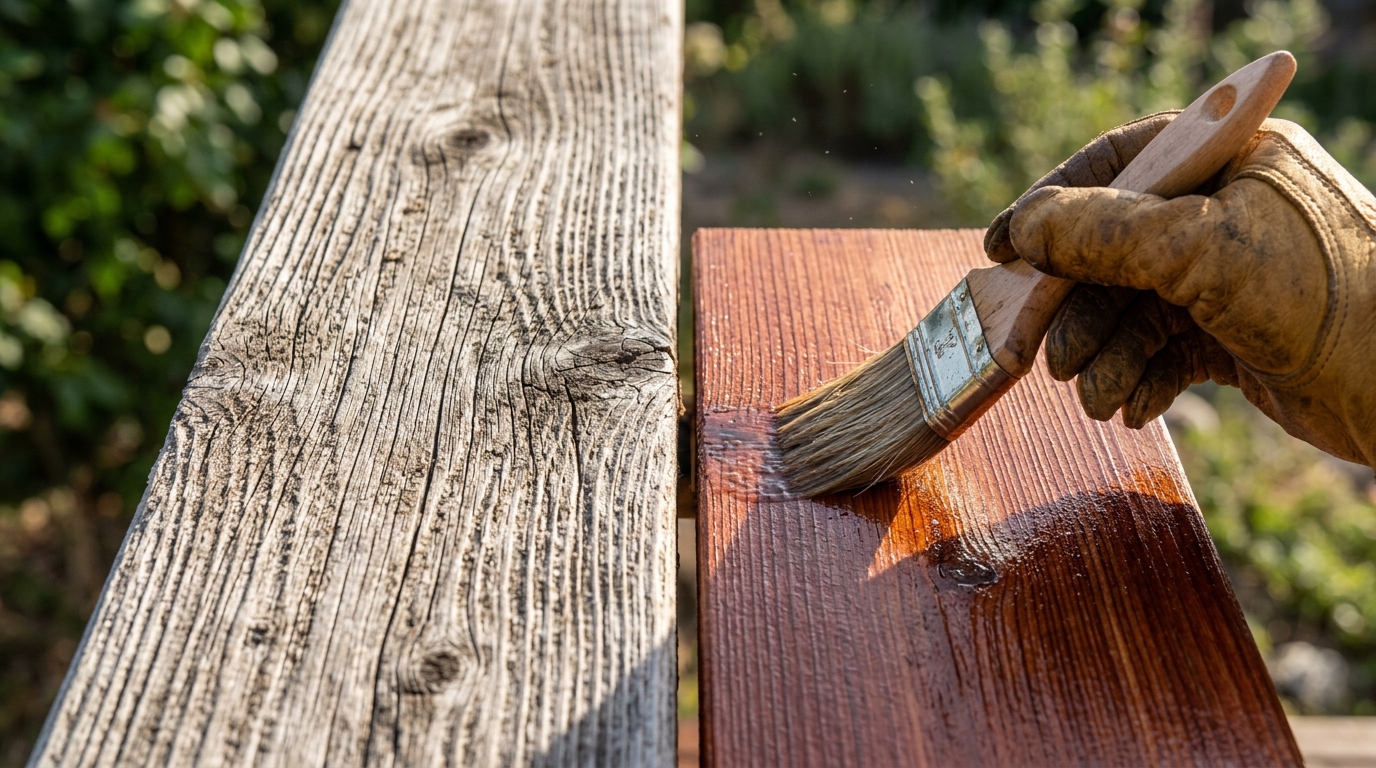
To keep either of these premium woods looking their best, I recommend a simple routine of cleaning and sealing every few years. You should start by giving the boards a gentle wash with a mild oxygen bleach solution to remove surface dirt and graying fibers without damaging the wood. Once the fence is completely dry, applying a high quality UV inhibiting sealer will lock in those rich natural tones and prevent the sun from bleaching the surface. This process is straightforward and goes a long way in protecting your investment from the elements. While redwood is naturally more dense and durable, both species will reward you with a much longer lifespan if you stay on top of this basic upkeep.
When it comes to long term stability, redwood generally has a slight edge because it contains less moisture and is less prone to shrinking or swelling. Its higher density means it stays straight and true, which is a major plus if you are worried about boards warping or pulling away from the rails over time. Cedar is also very stable compared to cheaper woods, but it can occasionally develop minor cracks or checking as it seasons in the sun. In my experience, the extra cost for redwood often pays for itself through reduced structural movement and a more consistent appearance as the years go by. Both choices are excellent, but understanding how to stain these subtle differences in how they age helps you choose the right fit for your home.
Deciding between these two premium woods really comes down to how you view your home investment. If you want a beautiful, classic look that fits a standard high end budget, Western Red Cedar is a fantastic choice that will serve you well for up to two decades. It offers excellent natural resistance to insects and rot while keeping your initial costs more manageable. Most homeowners find that cedar provides the perfect middle ground between affordability and luxury. You will get a fence that looks great and smells amazing without breaking the bank on materials.
Redwood is the clear winner if you are looking for the absolute best durability and a deeper, richer color profile. Because it is naturally more dense and harder than cedar, it stands up better to physical wear and the elements over thirty years or more. You should expect to pay about fifteen to twenty five percent more upfront for this species, but the longevity often pays for itself in the long run. It is the ideal option for those who plan on staying in their forever home and want a fence that stays straight and strong. I recommend choosing redwood if your priority is maximum performance and a high end aesthetic that lasts a lifetime.
Ultimately, you cannot go wrong with either of these West Coast favorites because they both outperform standard pressure treated lumber by a mile. Think about your long term plans for the property and how much you value that extra decade of life before making your final call. If you prefer a lighter tone and a lower price point, go with cedar for a reliable and attractive boundary. If you want the most robust wood available with a stunning reddish hue, invest in redwood for total peace of mind. Both options will leave you with a gorgeous new fence that significantly boosts your curb appeal.
Redwood is the winner when it comes to total lifespan because it is denser and packed with more protective tannins. While cedar is a great choice that lasts a long time, you can expect a well-maintained redwood fence to stand tall for thirty years or more.
Both woods have natural oils that act like a built-in defense system against insects and decay without using harsh chemicals. Redwood generally has a higher concentration of these tannins, which gives it a slight edge in staying rot-free over the decades.
Cedar is your best bet if you want a premium, beautiful wood fence without the higher price tag of redwood. It offers that classic look and great durability at a much more affordable upfront cost for most homeowners.
Redwood is naturally harder and denser than cedar, which helps it stay straight and resist splitting or warping. Cedar is still very stable compared to cheaper woods, but redwood is the gold standard if you want the toughest material possible.
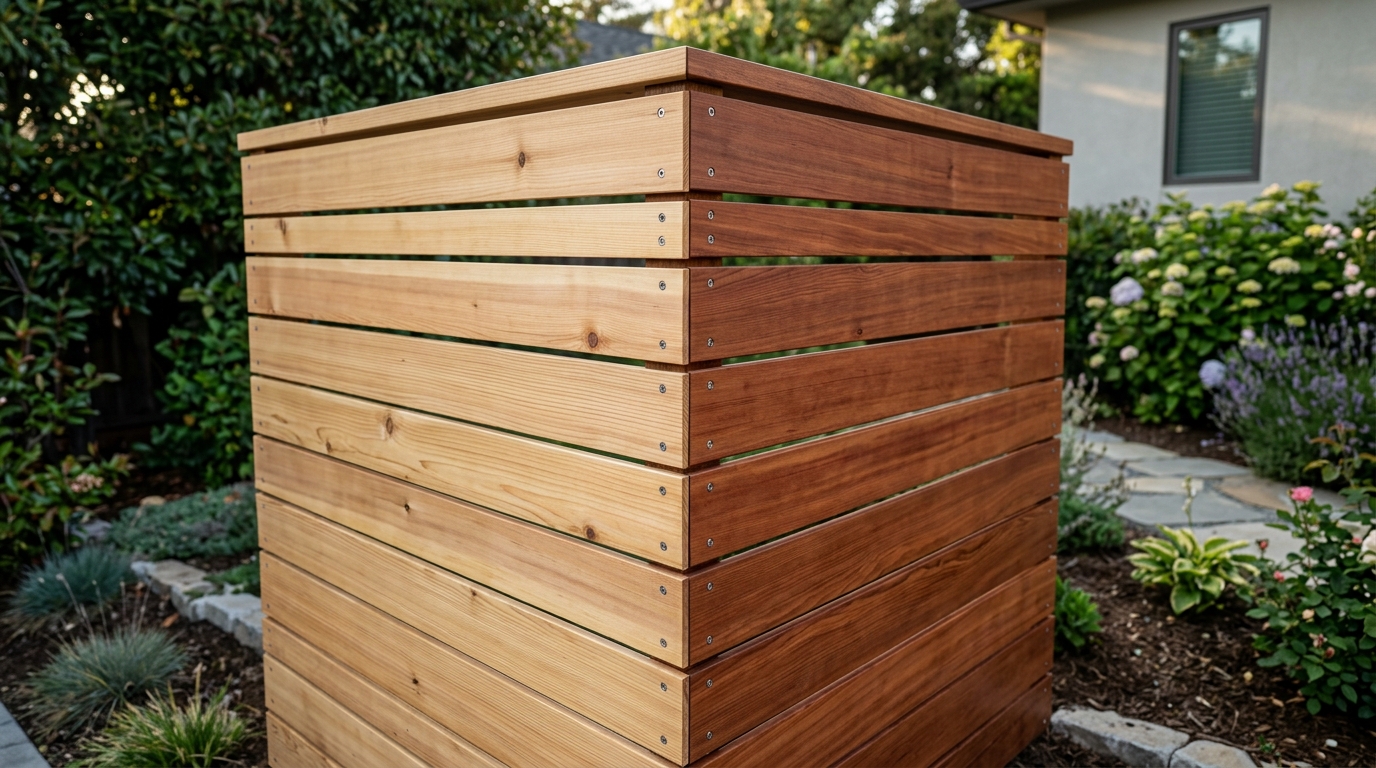
I always suggest looking at your local climate and how long you plan to stay in your home. If you want a forever fence and have the budget, go with redwood, but choose cedar for a beautiful and durable result that saves you money now. For those seeking a modern aesthetic, a horizontal wood fence can be constructed using either material to create a unique look for your property.
You do not need to use harsh chemical treatments because these softwoods are naturally resistant to the elements. Their organic chemistry does the hard work for you, though a simple sealer can help maintain their color as they age. If you are planning a DIY maintenance day, you might wonder, "how much fence stain do I need" to ensure full coverage for the entire perimeter.
VIEW OUR WORK
LEARN MORE
CONNECT WITH US