
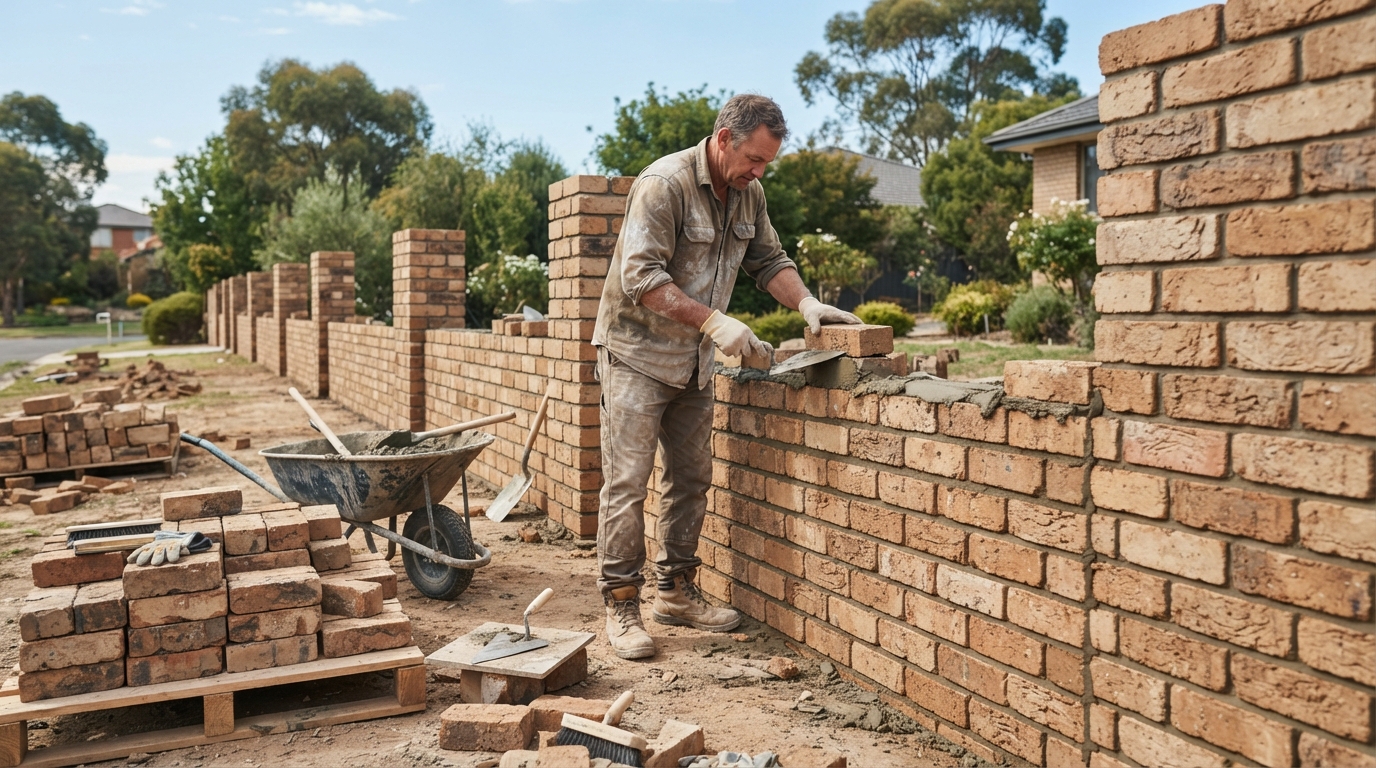
Masonry fence installation is a premium project. Published estimates range from $60–$240 per linear foot for a 3–6-foot brick fence. A 3–5-foot masonry or stone wall may instead be priced at $25–$35 per square foot of wall face. These units measure different things, so check whether an estimate is based on fence length or wall area. HomeGuide’s cost estimates offer a useful starting point, not a site-specific quote.
A 6–8-foot brick privacy wall is estimated at $210–$360 per linear foot. This shows why a short wall’s price is not a reliable guide to a full perimeter. Height, materials, footings, site access, and finish all affect the total. We install residential and commercial fences and gates across Los Angeles and surrounding valley areas, with options including wood, chain link, wrought iron, vinyl, and high-security fencing. HomeGuide’s tall-wall estimates show why it helps to compare the full project scope.
Masonry fence installation is a premium project with a wide price range. The estimate depends on wall type, height, dimensions, and site conditions. HomeGuide puts brick or stone walls at $80–$480 per linear foot overall, with an average project range of $3,000–$9,000. This broad range reflects differences in material, dimensions, and style, so treat it as an initial benchmark rather than a fixed price. HomeGuide’s brick and stone wall cost guide explains the published ranges.
A linear-foot price measures the fence’s length, while a square-foot price measures the wall face, calculated by multiplying its length by its height. For a 3–6-foot brick fence, the estimate is $60–$240 per linear foot, or $20–$40 per square foot of wall face. These figures use different pricing units, so compare them only after confirming which dimensions and work each estimate includes. Posts, gates, wrought iron, and stone caps can add cost. HomeGuide’s brick and stone wall cost guide lists these estimates and potential additions.
For a lower 3–5-foot masonry or stone fence, the published estimate is $25–$35 per square foot installed. A 50-foot stone fence is estimated at $3,800–$8,800. This example gives a sense of the cost for a limited run, but it is not a reliable stand-in for a full perimeter project. A longer boundary increases the total length of wall, and the final scope may also differ in height, materials, and design. HomeGuide’s cost guide provides both estimates.
A taller 6–8-foot brick privacy wall is estimated at $210–$360 per linear foot, or about $10,500–$36,000 around a typical house perimeter. The higher price shows how much design and dimensions can affect the project cost. This is not a project-specific Los Angeles quote. We install residential and commercial fences and gates, including wrought iron and other fencing options. These published masonry figures are general estimates, not a local quote for a specific property. HomeGuide’s tall-wall estimate is a useful comparison point.
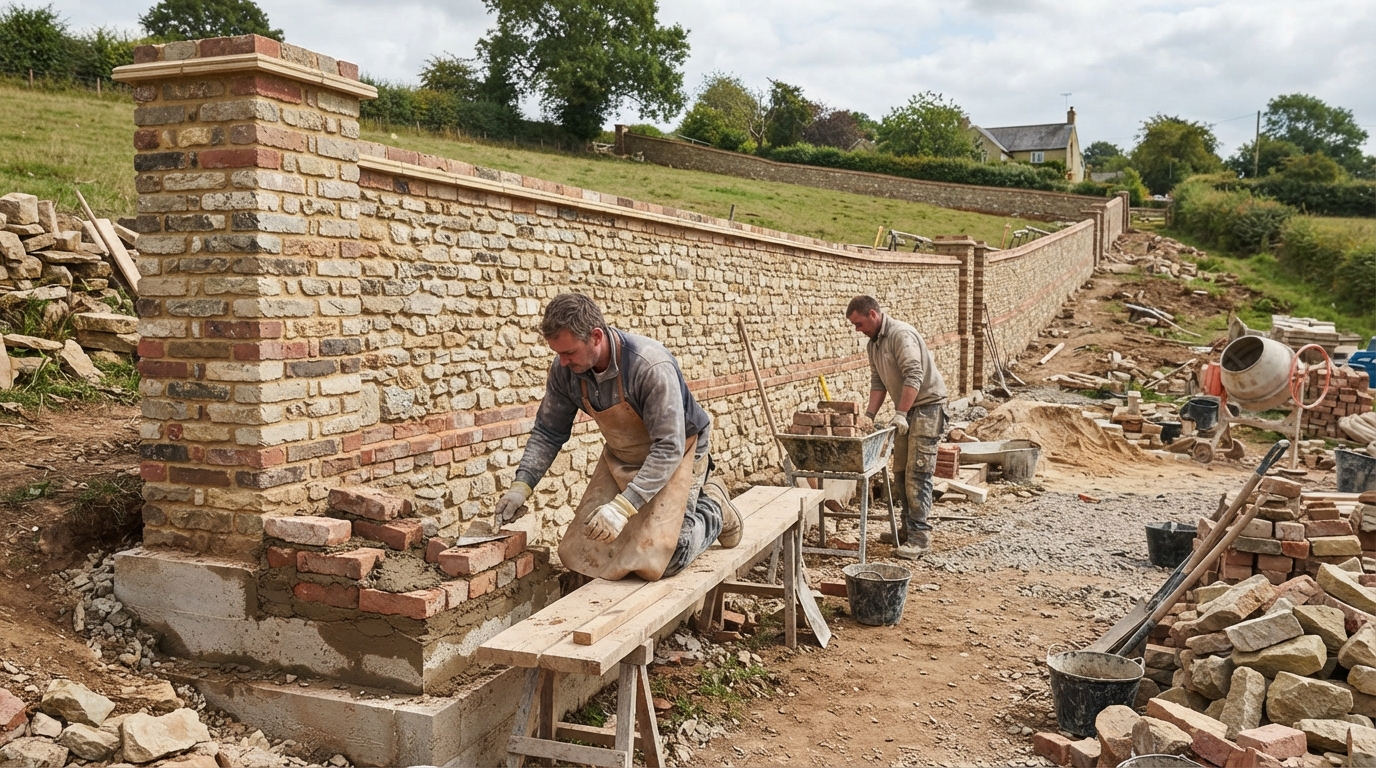
Masonry fence cost depends on the wall’s dimensions, material, design, finish, foundation work, and site conditions. Each choice affects the materials and labor required. Height and total length: A taller wall uses more material, while a longer wall requires more construction. Material, design, and finish: Brick, stone, and block have different requirements. Decorative patterns or detailed finishes can add work. Added features: Posts, gates, wrought iron, and stone caps can raise the price of a brick fence, according to HomeGuide’s brick and stone wall cost guide. Footings are another part of the scope. HomeGuide estimates concrete footers for most masonry walls at $15–$35 per linear foot. Access and site conditions can also affect the work. A hard-to-reach area may complicate material delivery, while the ground and layout can change the preparation required. The same wall length can therefore require different amounts of labor and foundation work from one property to another. A lower boundary wall and a taller privacy wall are not comparable by length alone. Published estimates show substantially higher per-foot costs for 6–8-foot brick walls than for 3–6-foot brick walls. The taller wall requires more masonry per linear foot, and its design may call for a different scope of work. HomeGuide’s estimates separate the two height ranges. When reviewing a quote, ask whether it includes footings, caps, gates, and cleanup. A headline price may leave out one or more of these items, making proposals hard to compare. Review the included work and pricing unit along with the total.
Compare masonry fence estimates by matching wall dimensions, materials, finish, and included work. Convert different pricing units to a shared basis, then review each proposal with this checklist:
Published price ranges are a starting point, not a direct comparison between proposals. Even estimates for similar walls may differ if they assume different site conditions or include different features. Compare the written scope and itemized total, then consider the price in relation to the property and design.
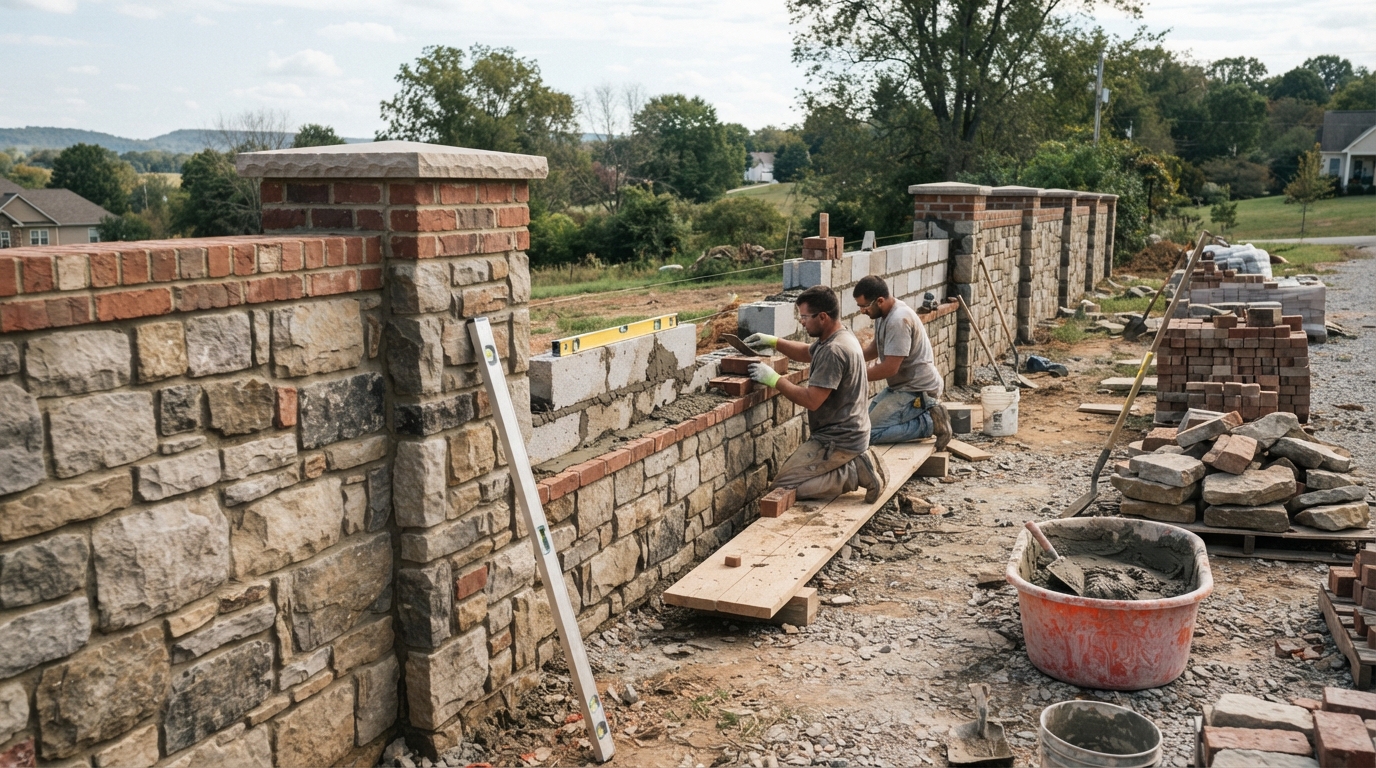
An 8-foot-tall by 15-foot-long single-layer brick wall is estimated to take 25–50 labor-hours for two masons, while a typical residential block-wall project can take one to two weeks on the calendar. HomeGuide estimates 25–50 labor-hours for that brick-wall example. The foundation type and site conditions can affect the schedule, as noted in HomeGuide’s project-time estimate. For a typical residential block wall measuring 50–100 linear feet, allow approximately one to two weeks from footing pour through completion. This estimate includes time for the footings to cure. The wall’s construction type, site preparation, and other site conditions can all affect the schedule. Labor-hours and calendar duration measure different things. Labor-hours count the work performed by crew members; calendar duration covers the time from the start of a project phase to completion, including curing time. Ask for a project-specific schedule that accounts for the wall’s construction type, footing work, curing, and site conditions.
Sometimes. Permit requirements for a masonry fence depend on the rules enforced where the property is located and on details such as the wall’s height and construction.
The 2024 International Residential Code lists fences no more than 7 feet high as exempt from that code’s building-permit requirement. The code also says the exemption does not authorize work that violates other applicable laws or ordinances. The model-code rule alone cannot determine whether a specific project needs a permit. See the 2024 IRC permit exemption.
Local rules can set different requirements. Orland, California, requires a building permit for masonry and stucco walls over 3 feet high, according to the City of Orland code. This is a local example, not a Los Angeles rule.
Before work begins, check with the authority that governs the property. Share the planned wall height, material, and location so the authority can address the specific project. Ask who will confirm the permitting requirements, and make sure that responsibility is clear in the written project scope.
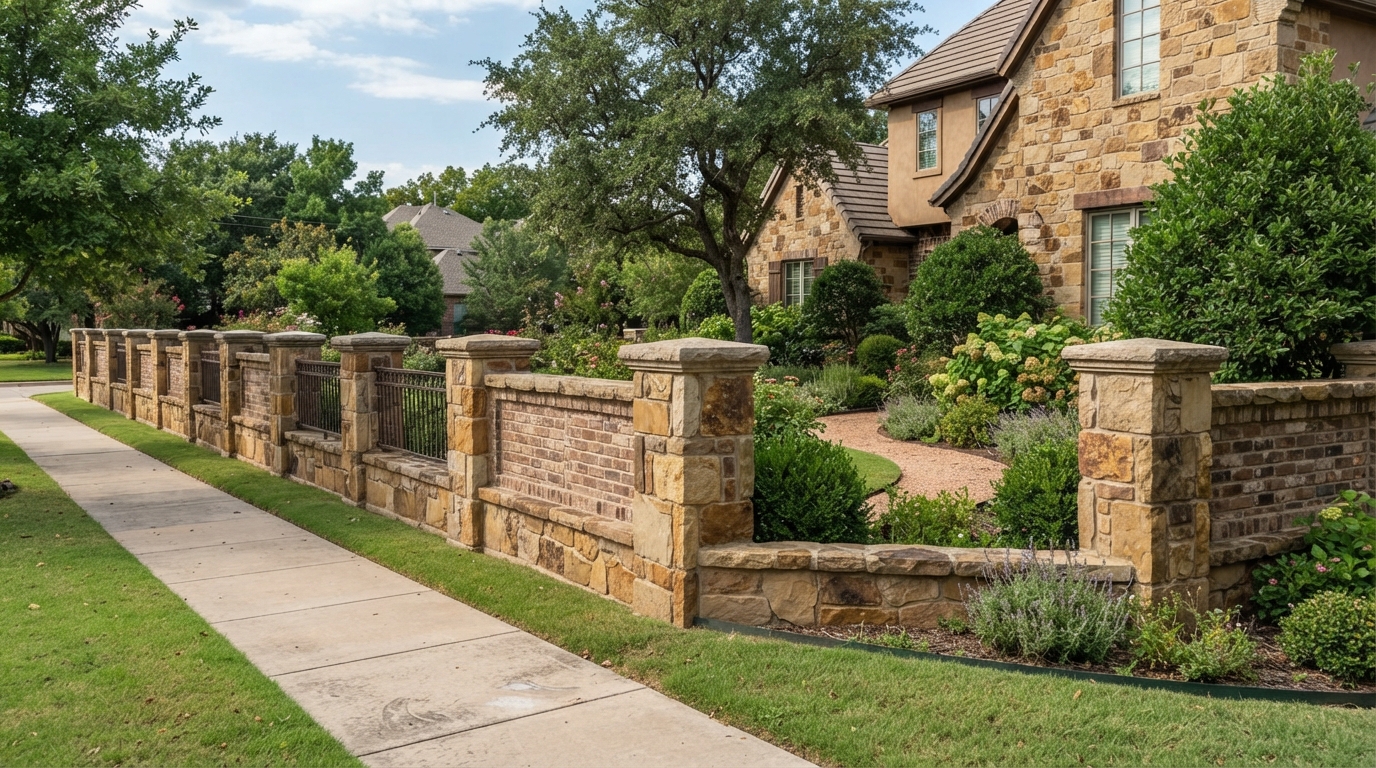
Masonry may suit your project if you want a substantial boundary wall and are prepared for an installation cost that can vary widely with the design and construction scope. Brick, stone, and concrete block can create a solid, lasting presence, but the right choice depends on the look and function you want and the work your property requires. Material and design standards help define what a masonry project involves. The Masonry Society’s TMS 402/602-22 addresses masonry design and construction and is referenced by the 2024 International Building Code. These standards provide a technical framework, but they do not make every wall design or installation scope the same. For a custom boundary or gate project, we offer residential and commercial fence and gate installation across Los Angeles and surrounding valley areas. We specialize in wood, chain link, wrought iron, vinyl, and high-security fencing. Our custom fence and gate installation is an option for readers comparing boundary choices or planning a gate, but it is not a masonry installation service. Tell us about your property, preferred material, boundary needs, and gate plans so we can discuss which of our fence and gate options may fit.
Before requesting a masonry quote, sketch the boundary and mark the approximate length, desired wall height, planned gate openings, and any sections with difficult access or a noticeable slope. Add a few property photos so the contractor can assess the layout and identify questions that may affect the scope.
Ask a masonry installer for a written quote based on those details. Make sure it clearly states the wall material, finish, foundation work, and gate responsibilities. Check local permit requirements for the property address before approving the work, since rules can vary by jurisdiction.
If you are comparing masonry with other boundary options, we provide residential and commercial fence and gate installation across Los Angeles and surrounding valley areas. We specialize in wood, chain link, wrought iron, vinyl, and high-security fencing, rather than masonry walls. Share your boundary sketch, photos, preferred material, and gate plans through our custom fence and gate installation service to discuss the options we install. You can compare those options with a masonry quote without treating them as the same construction scope.
A masonry fence does not always need to be sealed after installation. The right choice depends on the brick or stone, its finish, and the manufacturer’s guidance. Ask the installer whether sealing is recommended and which sealer is suitable.
Do not assume an existing fence footing can support a new masonry wall. Have a qualified professional check its size, condition, construction, and suitability for the planned wall before building on it.
Check a brick or stone fence regularly for cracks, loose masonry, damaged mortar, and signs of water trouble. Keep drainage paths clear, and ask a masonry professional to assess damage or changes that worsen instead of trying to cover them with a surface repair.
VIEW OUR WORK
LEARN MORE
CONNECT WITH US