
Planning a new fence? The requirements for a fence permit in Los Angeles can vary based on the fence’s height, material, and location. A wood or wrought-iron fence may not need a building permit in the City of Los Angeles, while masonry fences over 3½ feet generally do.
The City of Los Angeles, unincorporated Los Angeles County, and nearby cities follow different requirements. I recommend confirming which agency handles your property, then checking height, setbacks, and special zoning rules. Doing so can help you avoid delays, redesigns, and unexpected costs.
Before planning a fence project in Los Angeles, I first confirm which local government has authority over the property. “Los Angeles” may mean the City of Los Angeles, unincorporated Los Angeles County, or a separate city such as Pasadena, Santa Monica, Burbank, Glendale, or Long Beach. Each jurisdiction may apply different rules for fence height, materials, placement, and required approvals. Checking the property address with the correct building or planning department can prevent delays after you choose a contractor or order materials.
In the City of Los Angeles, a building permit is generally not required for a wood or wrought-iron fence up to 10 feet high. A permit is generally required for other fence types over 10 feet, while masonry or concrete fences over 3½ feet typically require approval. Some mixed masonry and concrete fences up to 6 feet may qualify for an exemption, but only when they meet specific construction conditions. I recommend reviewing the current local requirements instead of relying on a general height rule, especially for commercial properties, unusual designs, or fences near streets and property lines.
For a residential or commercial project, I start by confirming the jurisdiction, measuring the proposed height, and identifying the fence materials before applying. I also check whether zoning, historic-district, corner-lot, visibility, easement, or property-line rules could affect the design. Unincorporated Los Angeles County and incorporated cities use their own approval processes, so requirements can change significantly from one neighborhood to the next. A quick local review gives homeowners and property managers a clearer scope, a more accurate budget, and greater confidence that the finished fence will comply with local rules.
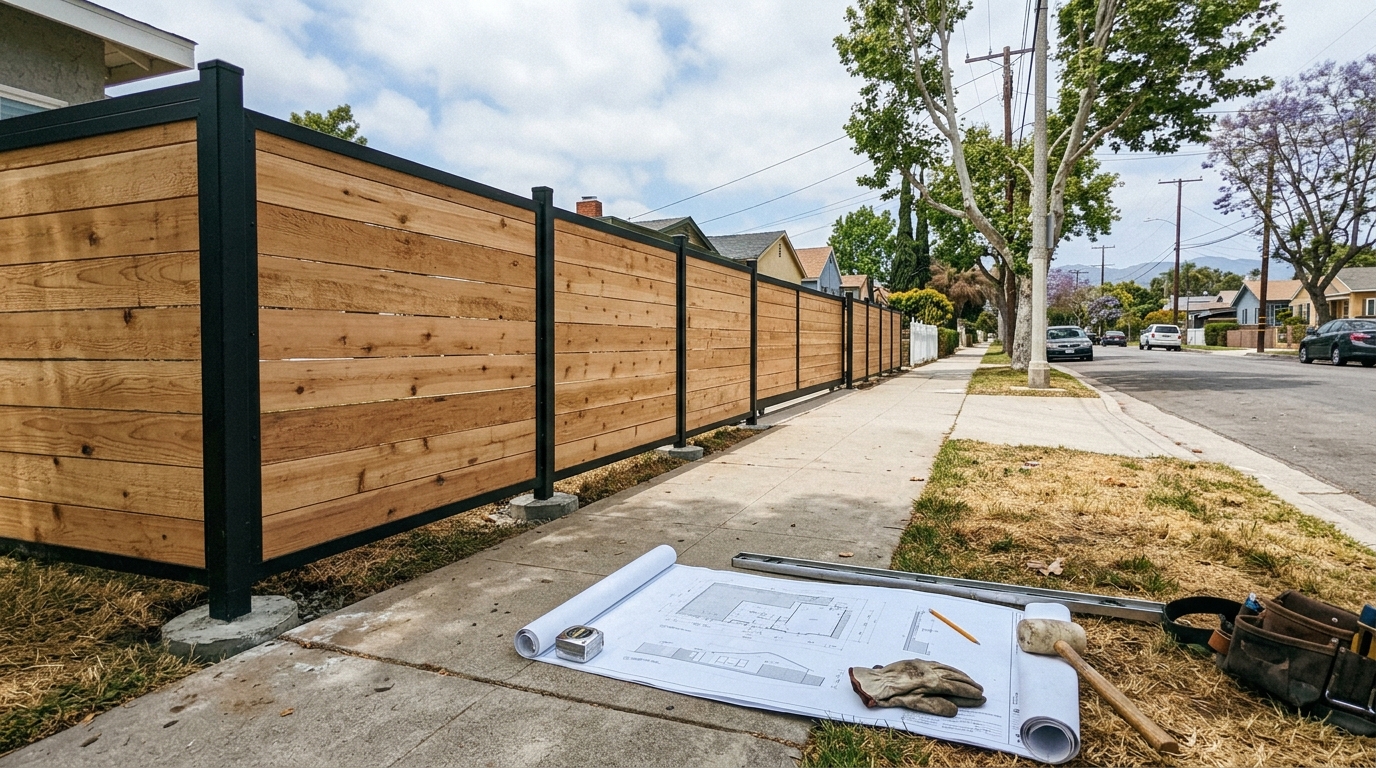
For a fence permit in Los Angeles, I start by confirming whether the property is within the City of Los Angeles and identifying the responsible building department. In the city, a wood or wrought-iron fence up to 10 feet high generally does not need a building permit. Other fence types over 10 feet generally do require one. A masonry or concrete fence over 3½ feet high also requires a building permit, although some mixed masonry or concrete designs up to 6 feet may qualify for an exemption if they meet the required construction conditions.
A permit exemption does not mean the fence can be built anywhere or in any configuration. I still check zoning rules, required setbacks, corner-lot visibility areas, utility or access easements, historic-preservation restrictions, and any limits affecting the public right of way. These issues can apply even when the fence falls below a building-permit threshold. Before scheduling installation, I recommend confirming the height, materials, location, and property lines so the project does not require costly corrections later.
The phrase “Los Angeles” can also refer to unincorporated Los Angeles County or a separate city, such as Santa Monica, Pasadena, Burbank, Glendale, or Long Beach. Those jurisdictions may use different rules and permitting agencies, so City of Los Angeles guidance may not apply to the address you are reviewing. I use the property’s exact jurisdiction as the first compliance check, then verify any additional approvals needed for the planned fence. That simple step helps homeowners and property managers establish a clear scope before hiring a fencing contractor.
A fence permit in Los Angeles depends first on where the property is located. If the address is in unincorporated Los Angeles County, you will generally work with the County rather than the City of Los Angeles. If it is within Santa Monica, Pasadena, Burbank, Glendale, Long Beach, or another incorporated city, that city’s planning and building departments set the approval process. Confirming the jurisdiction before applying can prevent delays, incorrect forms, and work that may need to be changed later.
For a property inside the City of Los Angeles, a building permit is generally not required for wood or wrought-iron fences up to 10 feet high, while masonry or concrete fences over 3½ feet high generally require one. Other fences over 10 feet may also need a permit, and limited exemptions can depend on detailed construction conditions. County and city rules may differ based on fence height, materials, location, zoning, corner visibility, and other site conditions. I recommend checking the official property jurisdiction and contacting the correct agency before relying on City of Los Angeles rules or scheduling installation.
Before hiring a residential or commercial fencing contractor, I would verify the address through the county or city property information system and ask which agency handles permits for that parcel. Keep the fence height, materials, site plan, and any special features available, since the reviewing agency may need those details. It is also smart to check for easements, shared property lines, HOA requirements, and historic-district or design rules. Taking these steps early gives you a clearer scope, a more accurate estimate, and a better chance of completing the fence without compliance surprises.
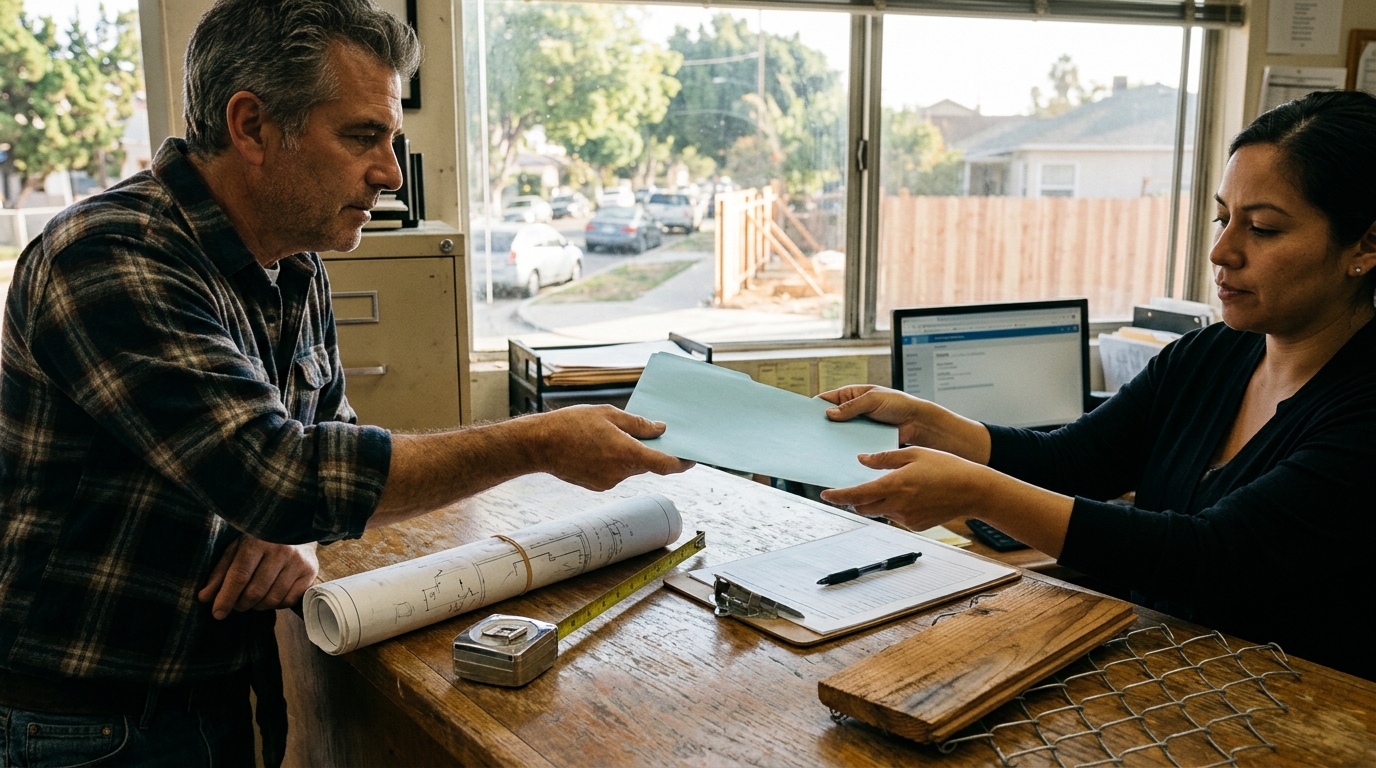
Start by confirming whether the property is in the City of Los Angeles, unincorporated Los Angeles County, or another incorporated city such as Pasadena or Santa Monica. Each location can have different zoning rules, height limits, setbacks, visibility restrictions, and permitting agencies. I also check the property line, easements, corner-lot sightlines, and any HOA or community rules before finalizing the design. In the City of Los Angeles, a wood or wrought-iron fence up to 10 feet high generally does not need a building permit, while masonry or concrete fences over 3½ feet typically do. These exemptions have conditions, so I never assume a project is automatically approved without checking the current local requirements.
Next, I document the fence height, length, post spacing, foundation details, gates, and materials so the building department can review a clear scope of work. If the project needs approval, I contact the correct building or county office and ask whether drawings, structural details, or site plans are required. Plans may be needed for taller fences, masonry construction, unusual designs, or work affected by zoning and site restrictions. I keep the approved permit and plans available on site, and I confirm whether inspections are required before installation is covered or concealed.
Property managers should review the permit plan with the fencing contractor before work begins and confirm who will submit the application, pay the fees, schedule inspections, and close out the permit. I also recommend confirming the exact fence location, material, finished height, access needs, insurance, and responsibility for protecting nearby landscaping or utilities. A reliable contractor should explain approval concerns before ordering materials rather than treating the permit question as an afterthought. Getting these details in writing helps prevent delays, change orders, and disputes with owners, tenants, or neighboring properties.
A fence permit in Los Angeles depends first on where the property is located. The City of Los Angeles, unincorporated Los Angeles County, and nearby cities each follow different rules and use different permitting agencies. In the City of Los Angeles, a wood or wrought-iron fence up to 10 feet high generally does not need a building permit, while masonry or concrete fencing over 3½ feet usually does. These exemptions have conditions, so I confirm the jurisdiction, materials, height, and design before work begins.
Height is only one part of the compliance review. I also look for fences that block visibility near a driveway, corner, or sidewalk, extend across an easement, or sit in the public right of way. Historic-district properties may have additional design restrictions, and a fence that appears acceptable in one neighborhood may still require approval in another. These issues can lead to correction notices, project delays, fines, or even a removal order.
A site review gives homeowners and property managers a practical way to catch problems before hiring a fencing crew or starting construction. I check property lines, access areas, easements, nearby sidewalks, and the proposed fence layout against the applicable local requirements. When needed, I help identify whether a building permit, zoning approval, historic review, or separate agency clearance may be required. That early review can make the approval process smoother and reduce costly changes after installation.
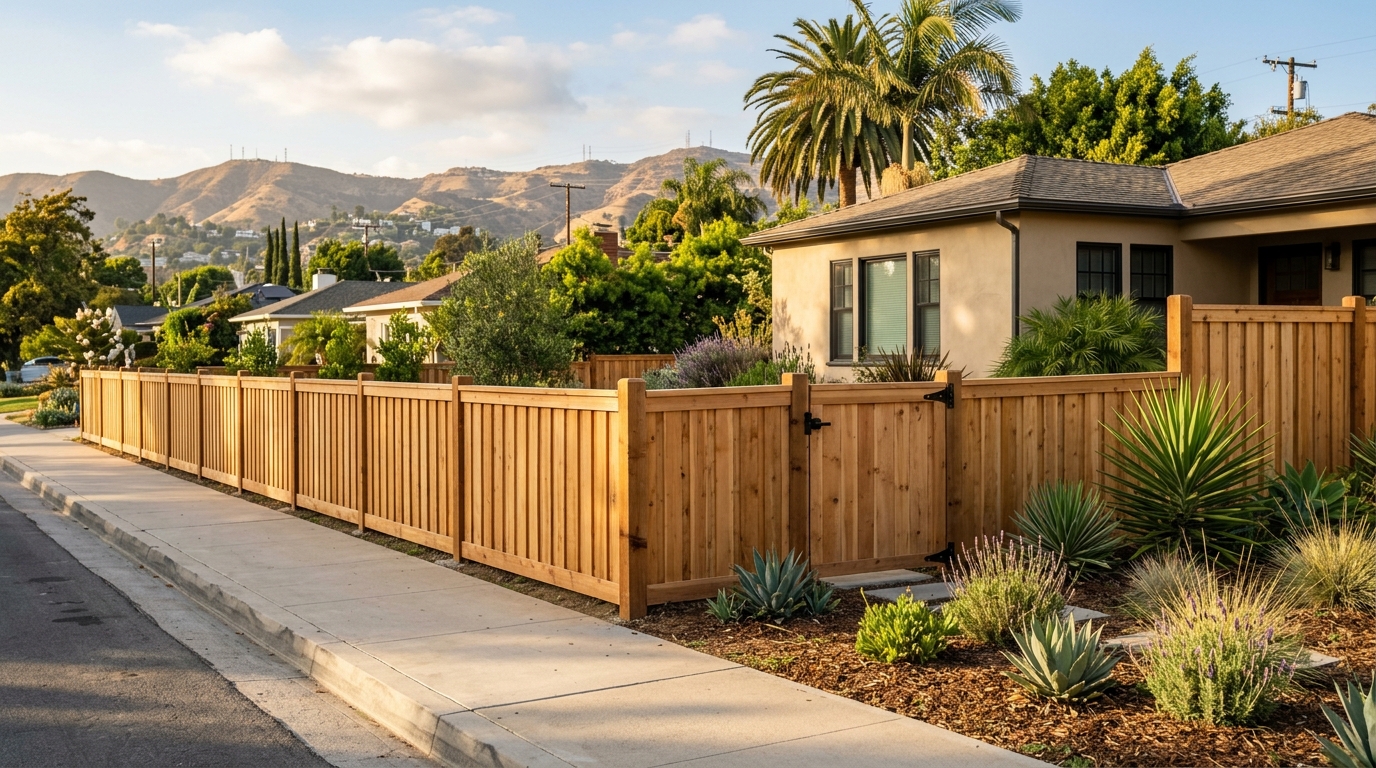
For a fence permit in Los Angeles, the requirements often depend on the material and height. In the City of Los Angeles, a wood or wrought-iron fence up to 10 feet high generally does not need a building permit. A permit is generally required for other fence types over 10 feet high, while masonry or concrete fences over 3½ feet high usually require one. Some mixed masonry and concrete designs up to 6 feet may qualify for an exemption, but only when they meet specific construction conditions.
The address matters just as much as the fence design. The City of Los Angeles, unincorporated Los Angeles County, and incorporated cities such as Pasadena, Santa Monica, Burbank, Glendale, and Long Beach follow different rules and use different permitting agencies. Before scheduling installation, I recommend confirming the property’s jurisdiction and checking requirements for height, materials, location, corner visibility, and any zoning or neighborhood restrictions. A permit exemption does not automatically mean the planned fence meets every applicable rule.
Taking these steps before hiring a contractor can help prevent redesigns, inspection issues, and unexpected costs. Ask the proper building or planning agency whether your project needs a permit, and keep written guidance when possible. I also recommend choosing a fencing contractor who can review the design, identify approval concerns, and support a compliant installation for either a residential property or a commercial site. With the right verification upfront, you can move forward with a fence that fits your property and local requirements.
For a fence permit Los Angeles project, I start by confirming which agency has jurisdiction. The City of Los Angeles and unincorporated Los Angeles County follow different rules, while cities such as Pasadena, Santa Monica, Burbank, Glendale, and Long Beach set their own requirements. In the City of Los Angeles, a wood or wrought-iron fence up to 10 feet high generally does not need a building permit, but a masonry or concrete fence over 3½ feet high usually does. Other fence types over 10 feet high may also require a permit, and some mixed masonry designs qualify for an exemption only when they meet specific construction conditions.
Before I schedule installation, I recommend checking fence height, materials, placement, and any special zoning or site conditions with the correct building department. This step is especially important for property managers, corner lots, commercial properties, and projects that combine fencing with gates, walls, or security features. Confirming the rules early helps prevent redesigns, inspection issues, and unexpected costs. With the permit requirements clear, I can move forward with a compliant fence plan that fits the property and keeps the project on track.
It depends on the property’s jurisdiction, fence height, materials, and location. In the City of Los Angeles, wood or wrought-iron fences up to 10 feet high generally do not need a building permit, while masonry or concrete fences over 3½ feet typically require approval. I recommend confirming the current rules with the agency that serves your property before starting work.
No. The City of Los Angeles, unincorporated Los Angeles County, and cities such as Pasadena, Santa Monica, Burbank, Glendale, and Long Beach can have different requirements. I first verify the property address and contact the correct building or planning department before choosing a design or ordering materials.
In the City of Los Angeles, wood and wrought-iron fences up to 10 feet high generally do not require a building permit. Other fence types over 10 feet generally require one, and masonry or concrete fences over 3½ feet typically need approval. Height limits and exemptions can depend on construction details, so I always check the current requirements for the specific project.
Masonry and concrete fences over 3½ feet generally require approval in the City of Los Angeles. Some mixed masonry and concrete fences up to 6 feet may qualify for an exemption, but only if they meet detailed construction conditions. I do not rely on the exemption without confirming that the design meets every applicable requirement.
I start by confirming the governing jurisdiction, measuring the proposed fence height, and identifying all materials. I also check setbacks, property lines, street-facing locations, zoning rules, and any special requirements for commercial properties or unusual designs. These steps can prevent redesigns, delays, and unexpected costs.
You apply through the building or planning agency responsible for the property, which may be a city or county department. The correct agency depends on the property address, not simply the mailing address or the word Los Angeles in the location. I verify the jurisdiction first, then ask about permit requirements, plans, fees, and inspections.
You may face delays, correction notices, added costs, or a requirement to redesign or remove work that does not meet local rules. Problems can also arise when selling the property or when a neighbor reports the project. Checking the requirements before construction is usually faster and less expensive than fixing an unapproved fence later.
VIEW OUR WORK
LEARN MORE
CONNECT WITH US