
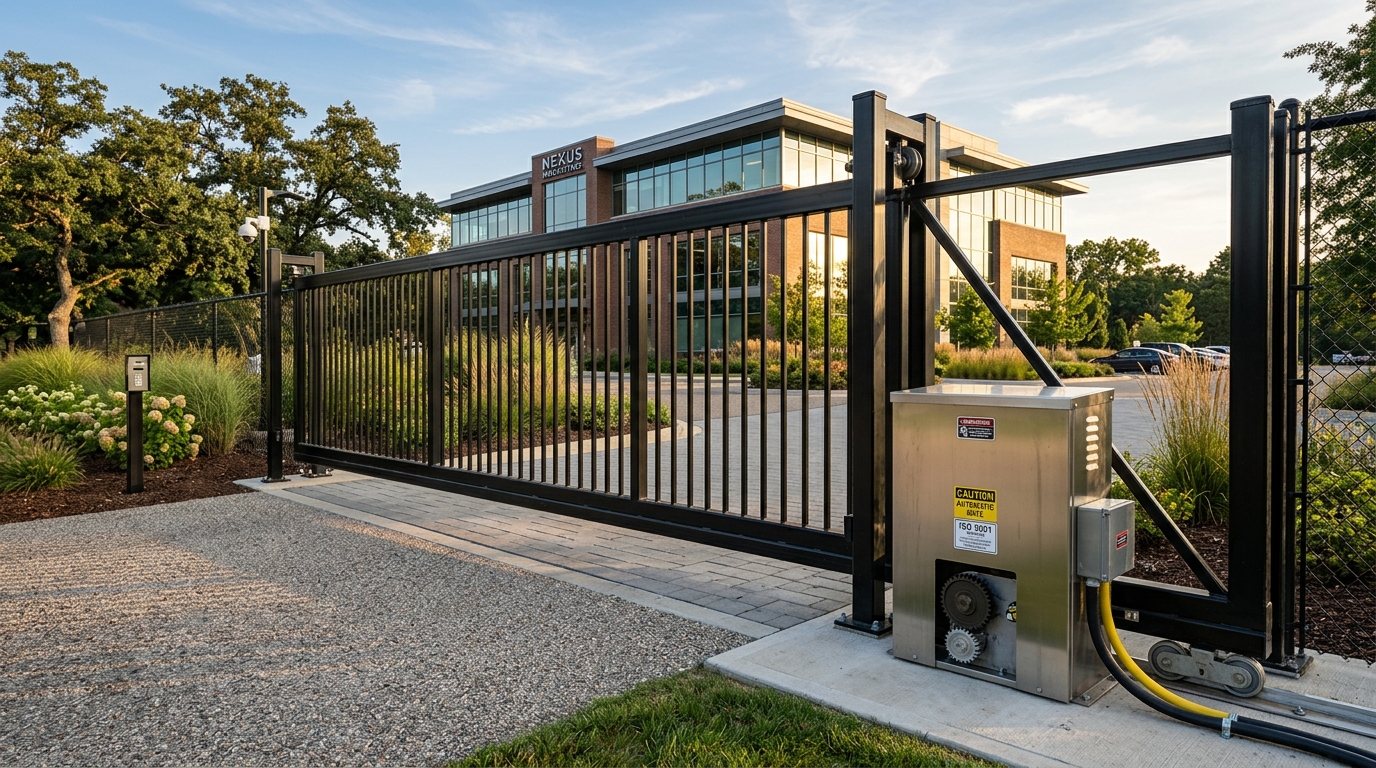
When you’re looking to secure a business or a busy complex, understanding commercial gate opener pricing is about more than just checking a price tag. It’s easy to assume the size of your gate is the main cost driver, but the real factor is how often that gate needs to move every single day. While a basic unit might look like a bargain, a high-traffic site needs a rugged system that won’t burn out under pressure.
You can expect to see equipment costs range anywhere from $2,500 for a standard apartment complex to over $8,000 for a heavy-duty industrial hub. My goal is to help you find that sweet spot where your hardware matches your daily workload so you aren't paying for repairs down the road. Investing in the right duty cycle now ensures your facility stays secure and your traffic flows smoothly without any unexpected headaches.
When you are budgeting for a new gate system, the biggest price driver isn't always the weight of the gate itself but how often it needs to open and close every day. For a small office or a quiet HOA with limited daily traffic, a light commercial opener usually costs between $1,200 and $2,500. These units are great for low-volume spots where the motor has plenty of time to cool down between uses. If you try to save money by putting a light-duty motor at a busy apartment complex, you will likely end up spending more on repairs and early replacements. It is much better to match the equipment to your actual traffic flow from the start.
For high-traffic locations like large business parks or distribution centers, you really need a heavy-duty industrial hub system that can handle constant cycles without breaking a sweat. These robust operators typically range from $4,500 to over $8,000 for the hardware alone because they are built with high-grade components meant for continuous use. While the upfront cost feels higher, these systems are designed to last for years under intense pressure. I always tell my clients that investing in a higher tier now prevents the headache of a gate that gets stuck during rush hour. Picking the right duty cycle ensures your entry point stays reliable and your maintenance costs stay low.
The style of your gate also plays a role in the final equipment price you will see on your quote. Generally speaking, commercial slide gate operators tend to be a bit more expensive than swing gate arms due to the heavy-duty chains and internal gear systems they require. If you are looking at specialized high-security sites that need anti-climb features or high-speed opening, those total packages can jump into a much higher price bracket. Always keep in mind that these estimates cover the motor and basic hardware, so you should leave a little extra room in your budget for professional installation. Taking the time to understand these price tiers helps you make a smart investment that keeps your property secure.
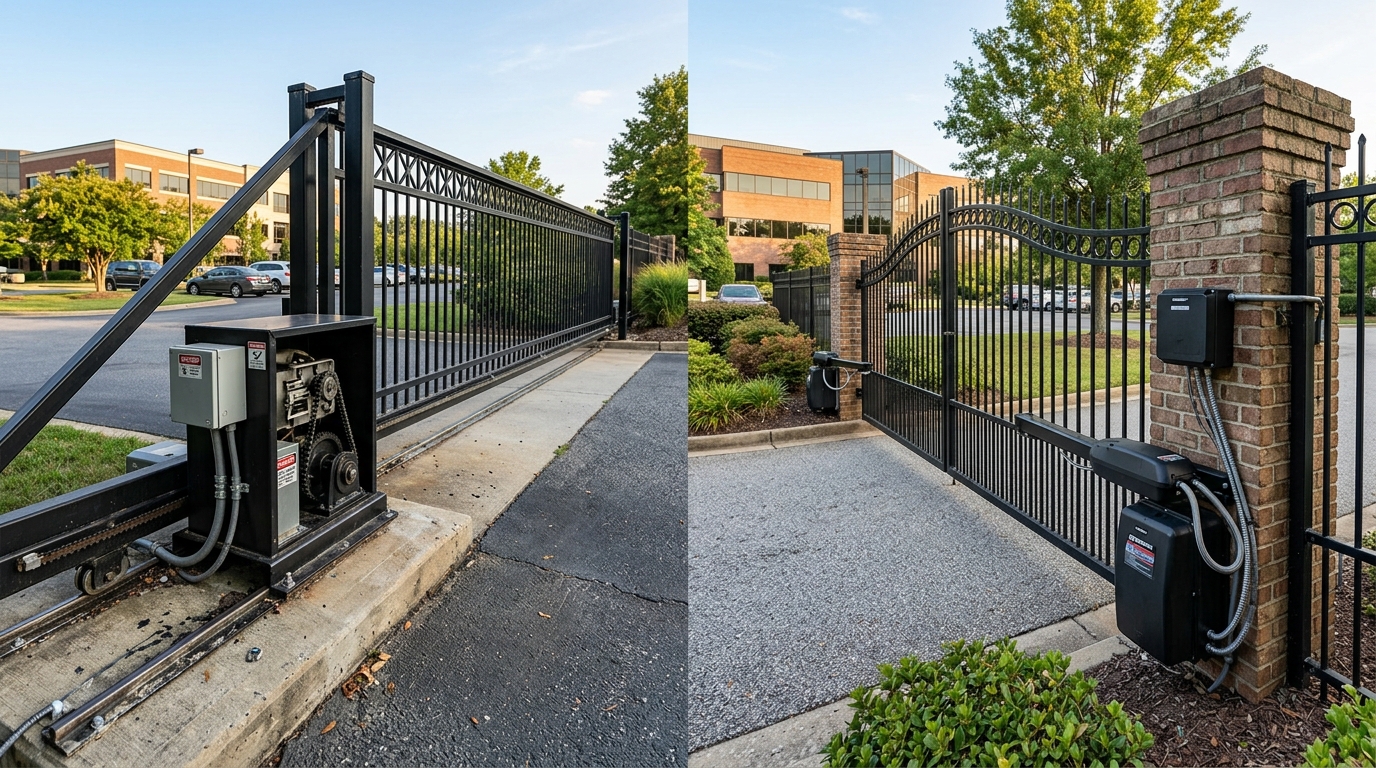
When you are weighing the costs between slide and swing gate operators, the first thing to consider is the mechanical demand of the movement itself. Slide gate motors generally sit at a higher price point because they have to pull the entire weight of the gate along a track, often requiring more torque and heavy-duty internal gearing. For a standard commercial setting, you can expect the equipment for a slide system to start around 2,500 dollars and climb quickly if you need high-speed functionality. These units are built to handle the constant friction and debris that come with ground-level tracks, which is why the hardware is a bit more of an investment upfront.
Swing gate operators offer a different pricing structure because they often come in pairs for double-entry points, which can drive up your total equipment cost. While a single light-duty swing arm might seem more affordable, a true commercial-grade setup designed for high-traffic business parks usually lands in the 2,500 to 4,500 dollar range. You also have to think about the space involved, as swing gates require more powerful hydraulic or electromechanical arms to fight wind resistance during the opening cycle. Choosing between the two often comes down to your property layout, but keep in mind that the more complex the movement, the more you will likely spend on the motor.
Regardless of which motion you choose, the duty cycle is the real factor that dictates where you fall on the pricing scale. A heavy-duty industrial slide operator for a logistics hub can easily reach 8,000 dollars because it is designed to run hundreds of times a day without overheating. Swing gates for high-security yards face similar price jumps when you add in the structural reinforcements needed for anti-climb features. I always tell my clients to focus on how many times that gate will move each hour rather than just the length of the frame. Investing in a motor that matches your traffic volume will save you from expensive repairs and early replacements down the road.
When you are budgeting for a commercial gate system, the labor costs can vary significantly depending on whether you are upgrading an old motor or starting from scratch. For a straightforward motor replacement on an existing, functional gate, you can generally expect to pay between $750 and $1,500 in professional labor fees. This process is usually quicker because the concrete pads, electrical wiring, and gate tracks are already in place and ready to go. My best advice is to ensure your current gate hinges and rollers are in perfect shape before the new operator is installed. If the hardware is binding or dragging, it will burn out your expensive new motor much faster than it should.
Starting a brand-new site setup is a much larger undertaking that requires a higher investment in specialized labor. For these comprehensive installations, professional installation fees often range from $2,500 to $5,000 or more depending on the complexity of the project. This price covers the heavy lifting like trenching for high-voltage power lines, pouring reinforced concrete mounting pads, and installing safety loops in the pavement. You are also paying for the expertise required to program complex access control systems and integrate safety sensors that prevent accidents. A professional crew will ensure the entire system meets local building codes and safety standards for high-traffic areas.
The total price of your installation will ultimately depend on how much infrastructure is already available at your entry point. If a technician needs to run electrical conduit several hundred feet from your building to the gate, the labor costs will naturally climb toward the higher end of the scale. I always recommend getting a detailed site survey to identify any underground obstacles or power requirements before the work begins. Investing in a quality professional installation up front saves you from the headache of frequent repairs and downtime later on. A well-installed system keeps your business running smoothly and ensures your property stays secure around the clock.
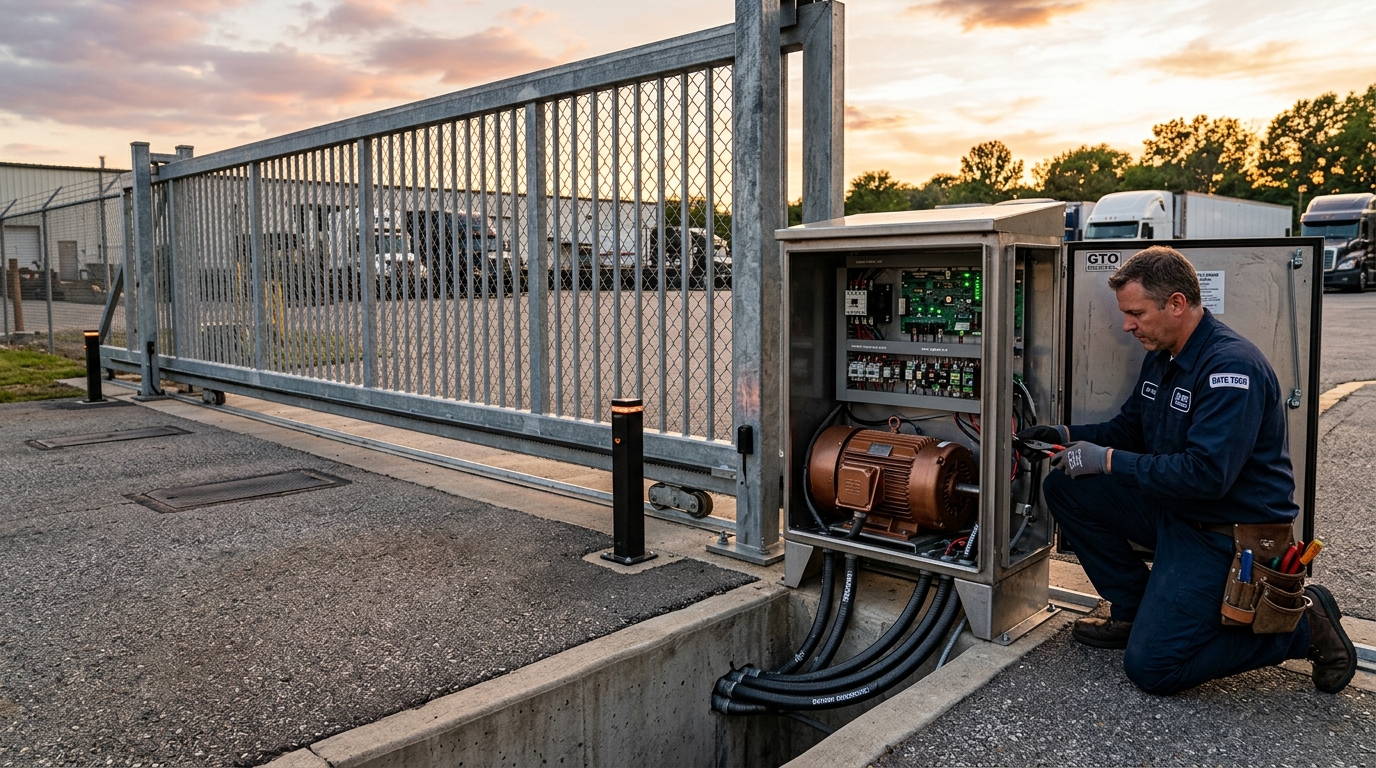
When you look at the base price of a commercial gate operator, it is easy to forget that the motor is just one piece of the puzzle. To keep your property safe and compliant with modern standards, you will need to budget for essential safety sensors like photo eyes or sensing edges. These components prevent the gate from closing on vehicles or pedestrians, which protects you from costly liability and equipment damage. Depending on the size of your entry, adding these safety layers can add several hundred or even a few thousand dollars to your total bill. I always recommend prioritizing these features because skipping them often leads to much higher expenses down the road.
Beyond safety, the way your team or tenants actually enter the property will impact your final investment. Keypad access, proximity card readers, and telephone entry systems are popular choices that vary significantly in price. You might want a simple code based system for a small office or a sophisticated cloud based setup for a large apartment complex. High traffic sites often benefit from long range transmitters or smartphone integration to keep traffic flowing smoothly during rush hour. These convenience features ensure your gate works for you rather than becoming a bottleneck for your daily operations. Understanding the benefits of having a fence at your commercial business alongside an automated gate helps you create a complete security perimeter.
Finally, I want to remind you that your initial purchase is only the beginning of the system's lifecycle. High traffic commercial gates undergo immense stress, so setting aside a budget for routine preventative maintenance is a smart business move. Regular checkups can catch worn chains or failing batteries before they cause an expensive emergency breakdown. I suggest factoring in the cost of a biannual service plan to extend the life of your operator and protect your investment. Taking care of the small things now prevents the big, budget breaking repairs that happen when a system is neglected.
Investing in a commercial gate opener is really about protecting your time and your bottom line. While it is tempting to choose a lighter system to save on those initial equipment costs, a motor that is underpowered for your traffic volume will likely fail within a year or two. I always recommend looking at your daily cycle count first to ensure you are buying for your actual needs rather than just the gate's weight. Spending a bit more upfront for a standard or heavy duty unit usually pays for itself by avoiding constant repair calls and frustrated tenants.
You should also keep in mind that the price tag on the box is only one part of the total investment. Professional installation and integrated access controls, like keypads or smartphone entry, add a layer of security that protects your property long after the bill is paid. Installing a high-quality electric gate in Los Angeles or any busy metropolitan area ensures your system will run smoothly for years with just basic seasonal maintenance. When comparing different Gate Openers, take the time to choose a reliable unit that fits your specific traffic flow, and you will have one less thing to worry about as a property manager.
For most standard commercial setups like apartment complexes, you are looking at equipment costs starting around $2,500. If you run a heavy duty industrial site with constant traffic, those high end systems can reach $8,000 or more for the hardware alone.
I really advise against cutting corners on the motor size because a light duty unit will burn out quickly under heavy use. You might save money today, but you will end up paying much more in frequent repairs and early replacement costs down the road.
While the weight and size of your gate matter, the actual daily traffic volume is the biggest price driver. We look at the duty cycle to make sure the motor can handle how many times it opens and closes without overheating.
For a quiet HOA or a small office with limited daily visitors, a light commercial opener usually costs between $1,200 and $2,500. These units work perfectly when the motor has enough time to cool down between each cycle.
Industrial systems cost between $4,500 and $8,000 because they use high grade components designed for continuous use. These rugged machines are built to work all day long at distribution centers or large hubs without breaking a sweat.
The goal is to find the sweet spot where your hardware perfectly matches your daily workload. Investing in a system with the right duty cycle now ensures your traffic flows smoothly and prevents those annoying, unexpected headaches later.
VIEW OUR WORK
LEARN MORE
CONNECT WITH US