
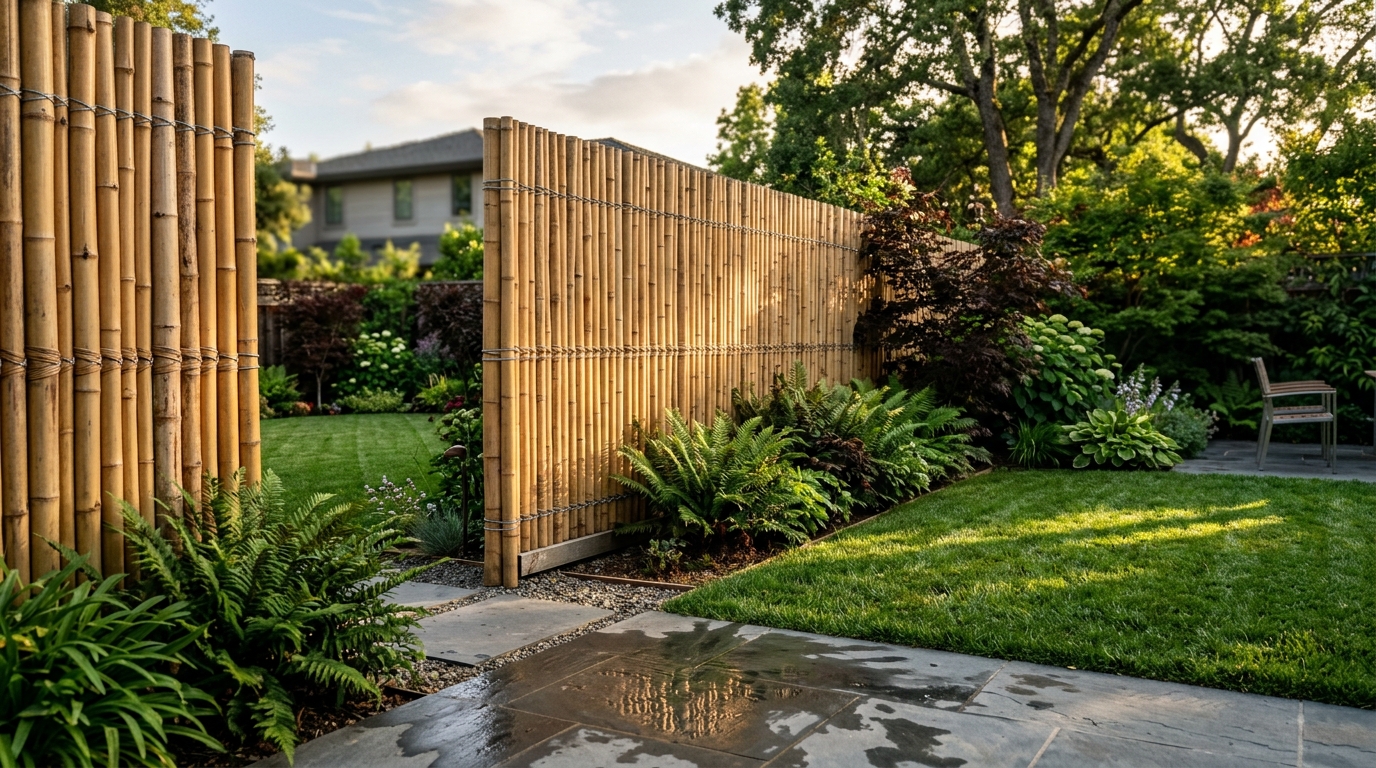
If you’re looking to turn your backyard into a private oasis without breaking the bank, you’ve probably noticed that traditional wood or vinyl can get expensive fast. I’ve found that looking into the bamboo privacy screen cost is a smart move because it offers a high-end, eco-friendly look for a fraction of the price of hardwood. It’s a versatile solution that works whether you're starting from scratch or just want to spruce up an old chain-link fence.
You can generally expect to pay between $6 and $22 per linear foot for materials, depending on the thickness and color you choose. If you decide to bring in a pro for the installation, those total costs usually land between $10 and $30 per linear foot. My goal is to help you understand exactly where your money goes so you can plan a project that fits your budget and looks great for years to come.
When you are planning out your budget for a bamboo privacy screen, you can generally expect to spend between 1,500 and 4,500 dollars for a standard backyard project. This range covers about 150 linear feet of fencing, which is a common size for most residential lots and accessory dwelling units. If you decide to handle the assembly yourself, your material costs will likely fall between 6 and 22 dollars per linear foot depending on the thickness and color of the poles you choose. I find that this is a fantastic, eco-friendly way to get a modern look without the heavy price tag of high-end hardwood or composite materials.
Professional installation adds a layer of convenience and polish to the project, typically bringing the total cost to 10 to 30 dollars per linear foot. This price usually includes the labor for securing the panels and all the necessary mounting hardware to ensure the screen stays sturdy against the wind. While doing it yourself saves money, hiring a pro can be worth it if you are attaching the bamboo to a tricky surface or need a perfectly level finish. I always suggest weighing the time you have available against the labor costs to see which path fits your lifestyle best.
The type of bamboo you select plays a major role in where you land on the pricing scale. Rolled bamboo is often the most budget-friendly choice because it is easy to transport and quick to install over existing chain link or wooden fences. If you are looking for a more structural or premium aesthetic, solid bamboo panels or live bamboo planters will naturally sit at the higher end of the market rates. No matter which style you pick, you are investing in a sustainable material that offers a much softer and more natural feel than traditional vinyl or metal options.
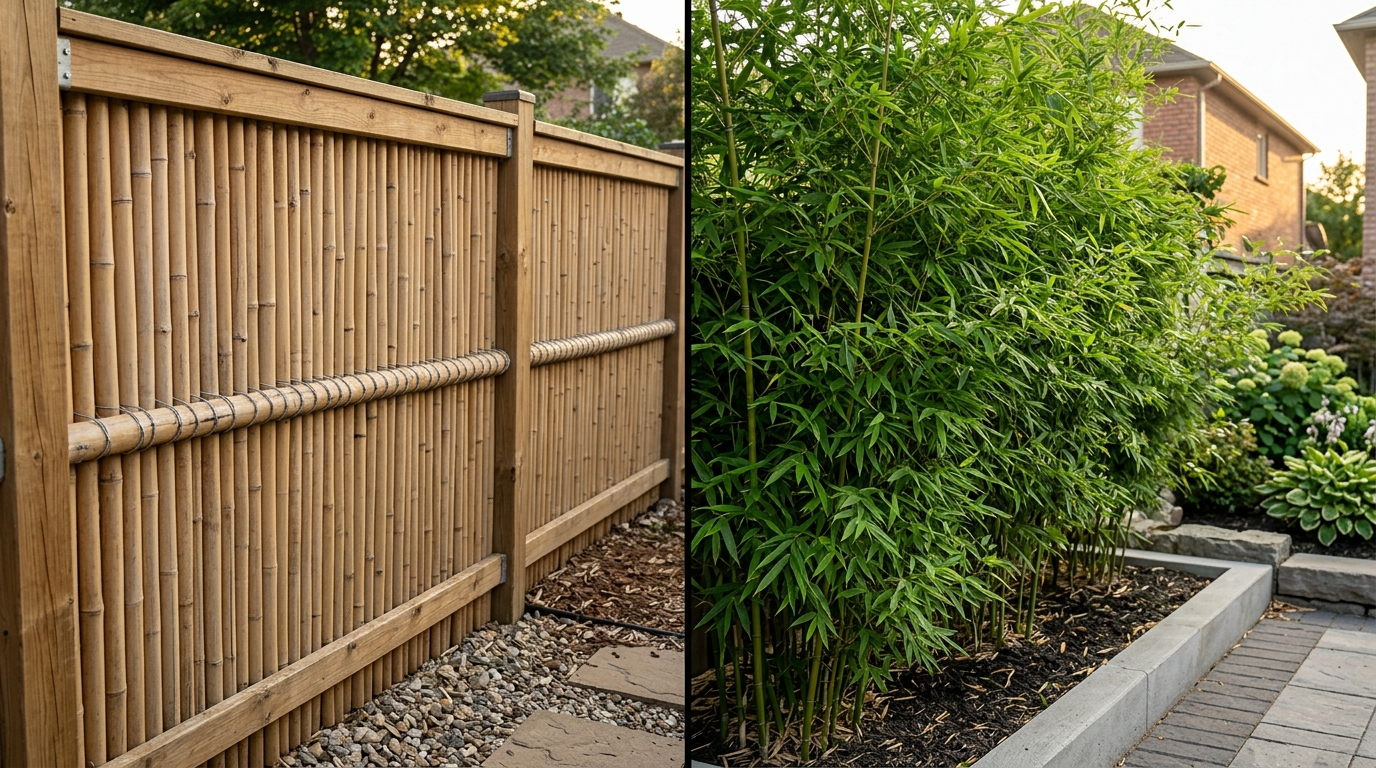
If you are looking for an immediate solution that won't break the bank, rolled bamboo fencing is your best bet for a quick privacy upgrade. This material typically costs between $6 and $22 per linear foot, making it a budget-friendly alternative to expensive hardwood or vinyl. It is incredibly easy to install by simply attaching the pre-wired rolls to an existing chain link or wooden fence. You get instant coverage the moment you finish the project, which is perfect for property owners or renters who need privacy right now. While it is the most affordable upfront, keep in mind that these natural poles will eventually weather and may need replacement every few years.
Live clumping bamboo offers a premium, eco-friendly look but requires a larger initial investment and a bit of patience. You will generally pay more for high-quality nursery plants, often ranging from $50 to $150 per container depending on the size and species. While the material cost per foot is higher than rolled options, these plants create a permanent, self-renewing wall of green that adds significant value to your property. You also have to consider the privacy fence cost of soil amendments, irrigation, and perhaps a root barrier to keep everything contained. It is a long-term play for homeowners who want a sustainable, modern aesthetic that grows more beautiful over time.
Choosing between the two really comes down to whether you value your time or your wallet more in the short term. Rolled bamboo is the clear winner for those who want a weekend DIY project with a predictable, low price tag. Live screens are better for those who view their backyard as an investment and don't mind waiting a season or two for the plants to fill in. Both options provide a much more natural and sustainable feel than traditional fencing materials. By weighing these costs against your specific timeline, you can create a private oasis that fits your budget perfectly.
If you are looking for the most budget-friendly way to add privacy to your home or backyard, natural Tonkin bamboo is your best bet. This standard light-tan variety is incredibly popular because it offers a clean, organic look without breaking the bank. On average, you can expect to pay on the lower end of the price scale, often between six and twelve dollars per linear foot for materials. It is a fantastic choice for DIYers who want a sustainable, modern aesthetic while keeping their initial investment low. While it is affordable, keep in mind that these natural poles may lighten over time if they are not treated with a UV-resistant sealer.
For those who want a more sophisticated or modern appearance, carbonized bamboo and rare black varieties are excellent premium upgrades. Carbonization involves a heat treatment process that undergoes a chemical change to turn the sugars in the wood a deep, rich brown. This process adds a layer of durability and price, typically pushing your material costs toward the higher end of the twenty-dollar range. If you really want to stand out, natural black bamboo offers a stunning dark chocolate hue that looks incredible against modern landscaping. These specialty colors definitely cost more upfront, but they provide a high-end designer look that traditional wood or vinyl simply cannot match.
Deciding between these options usually comes down to your long-term vision for the space and your current project budget. I always recommend thinking about how the color will complement your existing structures, like a new patio deck. While the natural tan is a classic and cost-effective winner, the heat-treated and darker varieties often require less frequent staining to maintain their deep tones. Investing a bit more now in a premium color can save you effort later and instantly boost your property's curb appeal. No matter which path you choose, you are getting an eco-friendly privacy solution that feels much more custom than a standard hardware store fence.
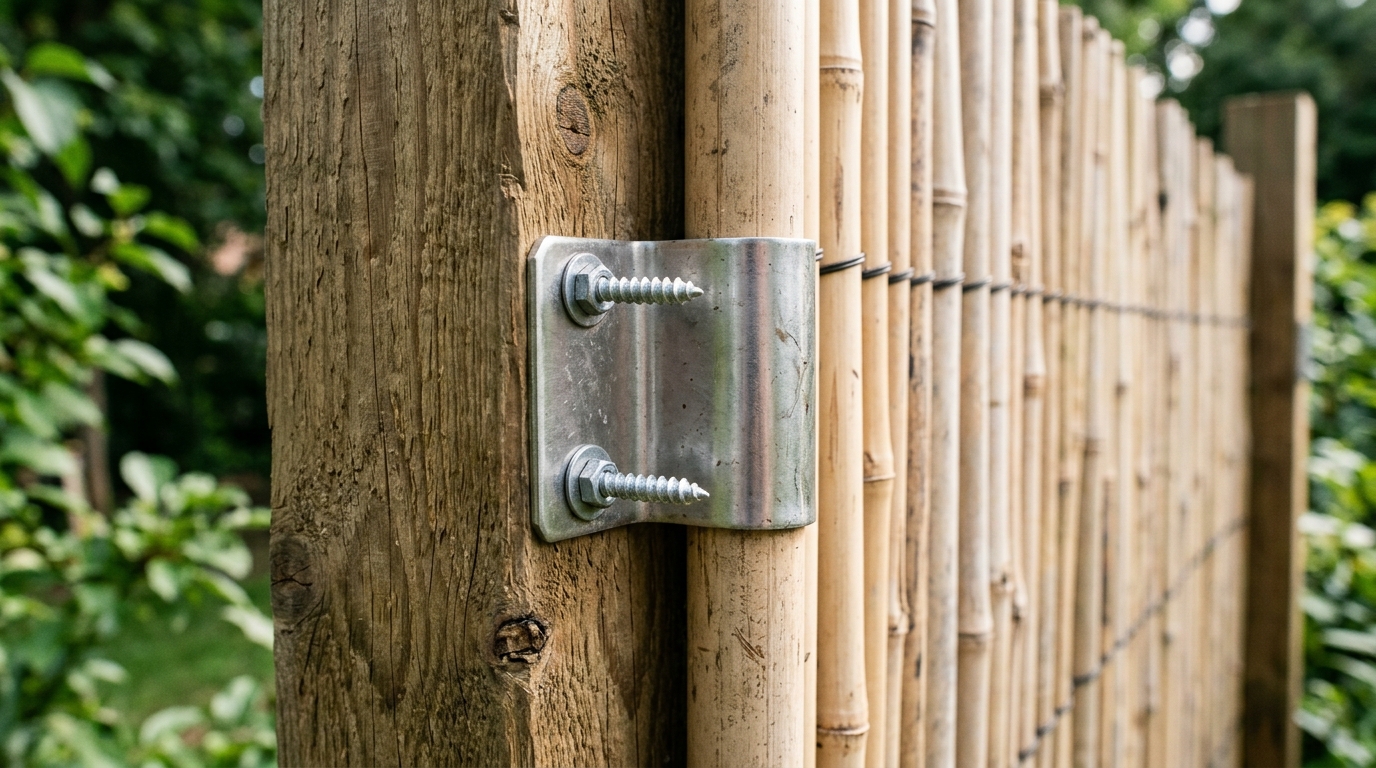
When you are calculating your budget, it is easy to focus only on the price of the bamboo rolls, but the support structure is what truly keeps your investment upright. You will need to account for sturdy pressure-treated posts or metal poles to act as the backbone of the screen, especially if you are not attaching it to an existing fence. These posts usually need to be spaced every six to eight feet to prevent sagging or leaning over time. Depending on your soil, you might also need to buy bags of concrete mix to secure those posts firmly into the ground. These structural items can add several dollars per linear foot to your total project cost.
The hardware you choose for fastening the bamboo is another hidden expenses item that adds up quickly across a large area. I always recommend using heavy-duty galvanized wire or stainless steel ties because they resist rust and won't snap under the pressure of wind. If you are mounting the screen to a wall or a wooden frame, you will need specific mounting brackets and exterior-grade screws that can handle the weight of the bamboo. Buying cheap fasteners is a common mistake that leads to stains on the bamboo or the screen falling down after a single season.
Proper tensioning and bracing are the final pieces of the puzzle that ensure your privacy screen stays tight and professional looking. You might find that you need horizontal support rails to give the bamboo a flat surface to rest against, which prevents the material from curling or warping. These extra pieces of lumber or metal trim help create a polished look that mimics a high-end custom installation. By planning for these hardware and support costs upfront, you can avoid frustrating trips to the store and keep your eco-friendly project on track.
Investing in a bamboo privacy screen is a smart move if you want a modern, eco-friendly look without the high price tag of hardwood or composite fencing. For most standard backyard projects, you can expect to spend between $1,500 and $4,500 for a full 150-foot installation. If you are comfortable taking on a DIY project, sticking to rolled bamboo materials can keep your costs as low as $6 per linear foot. This makes it one of the most affordable ways to build a fence for a private patio space while staying sustainable. I always recommend checking your existing structure first to see if it can support the weight of the bamboo rolls.
To get the best value for your money, focus on the quality of the bamboo diameter and the weather-resistant coatings. Higher-quality poles might cost a bit more upfront, but they will save you money over time because they resist splitting and fading in the sun. If you are hiring a pro, try to bundle the installation with other small yard tasks to get a better labor rate. Remember that a little bit of sealant goes a long way in protecting your investment for years to come. You are getting a high-end, tropical aesthetic that looks much more expensive than the actual receipt suggests.
You can generally expect to spend between $6 and $22 per linear foot for the materials alone. This price range depends mostly on the thickness of the bamboo poles and the specific color you choose for your backyard.
If you decide to bring in a pro, your total costs will usually land between $10 and $30 per linear foot. This price covers the labor for securing the panels and includes all the necessary mounting hardware to keep everything sturdy.
For a standard residential lot with about 150 linear feet of fencing, you should budget between $1,500 and $4,500. This is a great way to get a high-end look while spending much less than you would on hardwood or composite materials.
Yes, looking into bamboo is a very smart move because it offers an eco-friendly look for a fraction of the price of hardwood or vinyl. It is a versatile solution that works perfectly whether you are starting from scratch or just covering an old chain-link fence.
The thickness and color of the poles are the main factors that move your material costs between the $6 and $22 per foot range. I recommend choosing a style that fits your aesthetic while keeping these small price differences in mind for your budget.
When you hire a pro, the cost includes the expert labor needed to align the panels perfectly and the hardware required for a secure fit. This extra investment ensures your screen stays upright and looks polished even when the wind picks up.
Installing a privacy fence in Los Angeles or any urban area is a great way to ensure your backyard is not open for all prying eyes while maintaining a beautiful landscape. If you prefer a more traditional look, consulting with a Wood Fence Company can help you compare the costs of cedar or redwood against bamboo options.
VIEW OUR WORK
LEARN MORE
CONNECT WITH US