
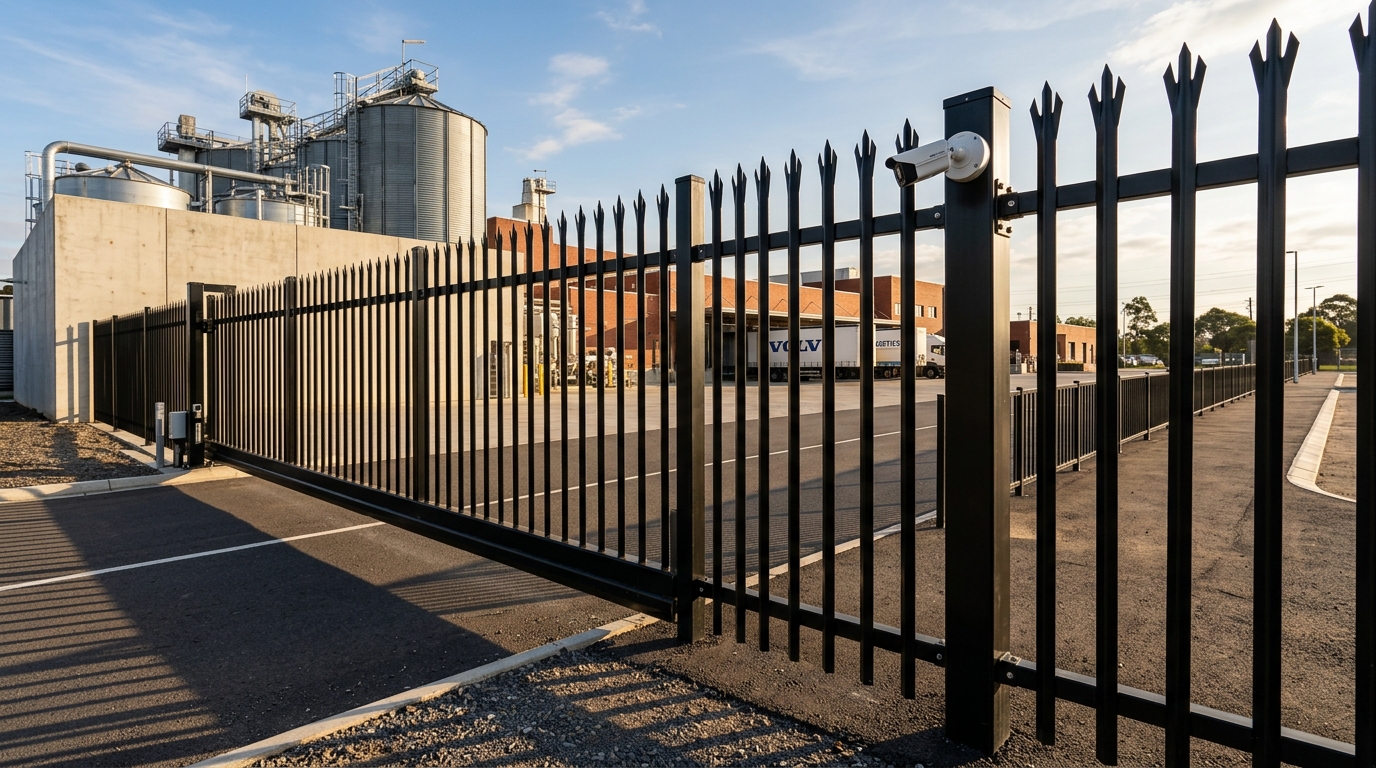
Choosing the right perimeter protection isn't just about marking your property line anymore; it's about how long you can keep an intruder out. When we look at modern industrial security fence specifications, the focus has shifted toward delay time and making sure your physical barrier talks to your cameras. You need a setup that doesn't just look tough but actually buys your team enough time to react before a breach happens.
I always tell my clients to think of their fence as the first layer of a smart security system rather than just a pile of steel. Whether you are protecting a warehouse or critical infrastructure, small details like mesh density and height can make all the difference in stopping a climb. Getting these technical details right ensures your site stays locked down while keeping you in line with the latest safety standards.
When you are planning a high security perimeter, the eight foot mark is really where our conversation should start. While a six foot fence might keep out a casual trespasser, an eight foot barrier creates a psychological and physical hurdle that most intruders simply cannot clear without specialized equipment. In my experience, this extra height provides the necessary delay time to allow your surveillance systems to do their job and alert security. It is all about making your facility look like a difficult target so that potential threats decide to move on to somewhere else.
The thickness and pattern of your mesh are just as important as the total height of the fence. For most industrial sites, I recommend starting with a 9 gauge wire because it is heavy enough to resist cutting with basic hand tools. If you are protecting critical infrastructure or high value assets, the 358 anti climb mesh is the absolute gold standard for 2026. This specific design uses narrow gaps that are too small for fingers or toes to get a grip, and the tight spacing makes it nearly impossible to use bolt cutters.
Choosing the right combination of height and gauge is really about balancing your budget with the level of risk your facility faces. I always tell my clients to think of the fence as the first layer of a much larger security system that includes cameras and sensors. A sturdy, tall fence does not just block people, it also provides a stable platform for mounting your tech and ensures your site stays compliant with modern safety standards. Taking the time to get these technical specs right during the planning phase will save you a lot of headaches and potential upgrades down the road.
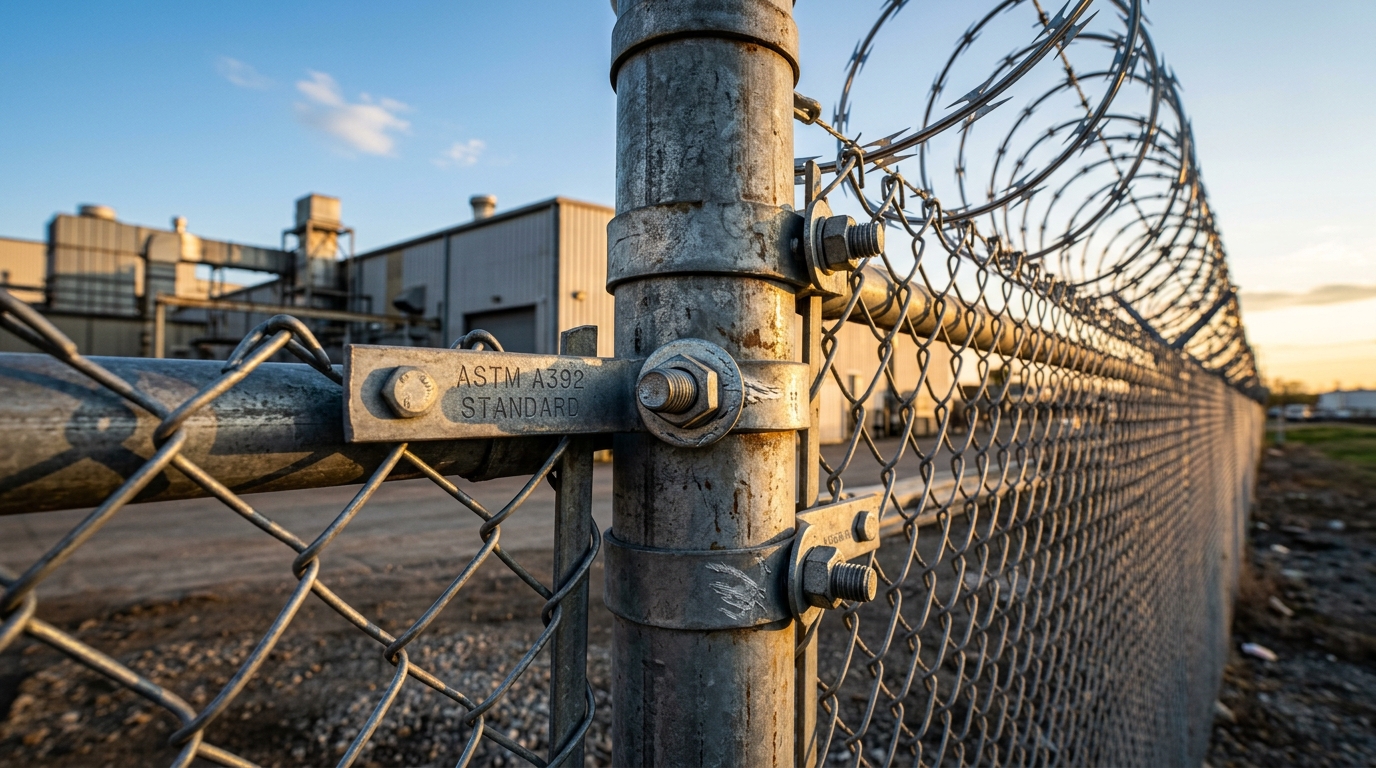
When you are planning a high security perimeter, you need to know that your fence posts can stand up to both physical force and the elements. I always look to ASTM F1083 and F1043 as the gold standard for the actual pipe used in your fence framework. This specification ensures that the steel has the right wall thickness and strength to prevent it from buckling if someone tries to climb or ram it. It also covers the heavy duty galvanization process that keeps your steel from rusting after just a few seasons of rain. Choosing the right schedule of pipe under this standard means you are investing in a skeleton that will hold its shape for decades.
Once you have the right pipes selected, you need to make sure the rest of the hardware and industrial fittings are up to the task. That is where ASTM F1043 comes into play, as it sets the rules for the protective coatings and the strength of the rails and braces. I view this standard as your insurance policy against wind loads and environmental wear that could otherwise cause a fence to sag or lean. It helps us categorize different grades of steel so you are not overpaying for overkill or under-specifying a weak link. By matching these two standards together, you create a unified barrier that provides a predictable delay time against any potential intruders.
Adding toppings like barbed wire or razor ribbons is one of the most effective ways to turn a standard barrier into a true high security perimeter. I always tell facility managers that these features work twice as hard because they provide both a physical obstacle and a powerful psychological deterrent. When a person sees those sharp coils or strands at the top of a twelve foot fence, they usually decide the risk of injury isn't worth the effort. You want to focus on three strand barbed wire outriggers angled at forty five degrees to make scaling the mesh nearly impossible. This simple addition significantly increases the delay time by forcing an intruder to deal with sharp edges while balanced at a great height.
Choosing between barbed wire and razor ribbon often depends on the specific level of risk your facility faces on a daily basis. Barbed wire is a great standard choice for most industrial sites because it is cost effective and clearly signals where the property line begins. If you are managing a high risk utility or a data center, I recommend stepping up to stainless steel razor coils for maximum protection. These ribbons are much harder to cut with standard tools and create a dense, intimidating thicket that stops climbers in their tracks. Always make sure your installation follows local safety codes to ensure these deterrents remain on your property and away from public sidewalks.
The way you configure these toppings can change how your entire security system functions during a potential breach. I prefer using a Y-shaped bracket because it allows you to install razor wire in a way that overhangs both sides of the fence line. This setup makes it extremely difficult for someone to lean a ladder against the structure or throw a heavy blanket over the top to climb across. You should also consider how these metallic features might interfere with your camera views or motion sensors during the planning phase. Keeping the wire tight and well maintained ensures that your physical defenses look professional and remain ready to do their job for years.
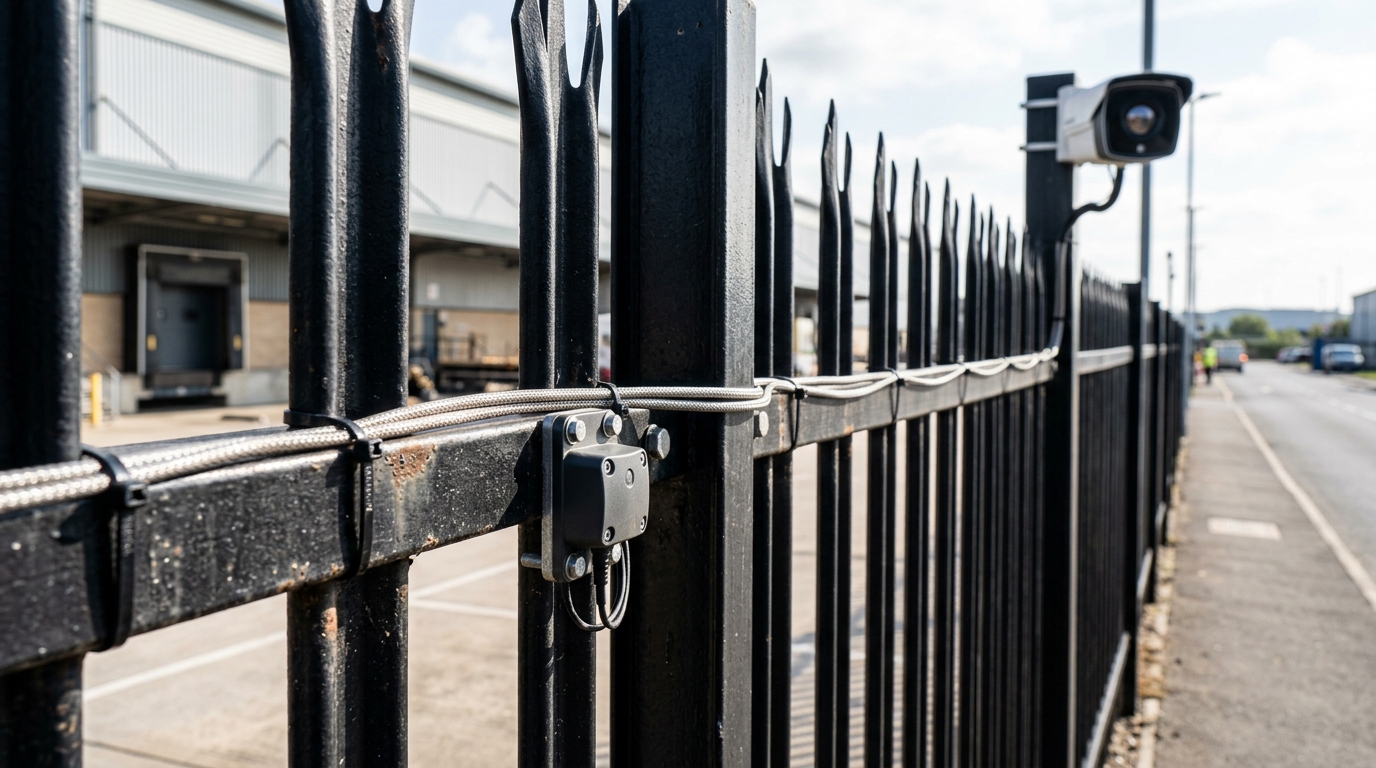
When you are drafting your fence specifications, you have to think about how the physical metal will talk to your digital security tools. A high quality security fence is a great start, but it becomes much smarter when you add electronic sensors that can detect someone trying to cut or climb the wire. I always recommend choosing a rigid mesh or a sturdy palisade style that does not wobble too much in the wind, as this prevents those annoying false alarms. If your fence is too flimsy, your sensors will be going off every time a heavy gust of wind hits, which eventually leads to people ignoring the alerts. You want a stable platform that allows the technology to do its job without constant interference from the environment.
The placement of your surveillance cameras and lighting also depends heavily on the physical layout of your perimeter. I suggest looking for fence designs that offer clear lines of sight so your cameras can see through the mesh without any glare or blurring. If you are using infrared cameras for night vision, the material and coating of the fence should not be overly reflective or it might blind the lens. You should also consider integrated mounting brackets or cable conduits within the fence posts themselves to keep your wiring protected and neat. By planning for these tech needs during the design phase, you avoid having to drill holes or run messy conduit after the installation is already finished.
Ultimately, your goal is to create a system where the physical barrier buys you enough time for your electronics to alert the right people. This concept of delay time is vital because a fence that stands alone is just a hurdle, but a fence integrated with sensors is a proactive defense. I tell my clients to treat the fence as the skeleton of their security system and the sensors as the nervous system. When these two parts work together perfectly, you get a much higher level of protection that can actually stop a breach before it happens. Taking the time to match your hardware specs with your software needs ensures your investment stays effective for years to come.
Ultimately, choosing the right industrial security fence comes down to finding that perfect sweet spot between technical durability and the real world risks your facility faces every day. While it is tempting to go for the most heavy duty 358 mesh or the tallest possible height, you really want a perimeter that makes sense for your specific site layout. High security fencing specifications are not just about keeping people out, they are about buying your team enough time to react if someone tries to get in. I always tell my clients that a fence is only as strong as its weakest point, so make sure your gates and hardware match the strength of your panels.
As you move toward your formal request for quotes, keep in mind that modern fencing is now a key part of your building's tech stack. You want to ensure your final choice integrates smoothly with your cameras and sensors to create a smart boundary. A well planned perimeter gives you peace of mind and keeps your operations running without unnecessary interruptions. By focusing on delay time and material quality now, you are saving yourself from expensive upgrades or security gaps down the road. Understanding why industrial chain link fencing is often the preferred base for these systems can help you make a more informed decision. Trust your instincts on your facility's needs and prioritize those features that offer the best long term protection.
I always recommend starting at the eight foot mark for high security perimeters. This height creates a strong physical and psychological barrier that is tough to clear without tools, giving your security team more time to react.
For most industrial sites, a 9 gauge wire is my go-to choice because it is heavy enough to resist basic hand tools. If you are protecting high value assets, you might want to look into even thicker options or specialized anti climb mesh.
The 358 anti climb mesh uses a very tight pattern that makes it impossible for intruders to get a finger or toe hold. These narrow gaps also make it extremely difficult to use bolt cutters, which is why it is my top pick for critical infrastructure.
Think of your fence as the first layer of a smart system that buys you valuable delay time. A good fence slows down an intruder long enough for your cameras to spot them and for your team to respond before a breach actually happens.
A six foot fence might stop a casual trespasser, but it is much easier to climb than an eight foot barrier. I suggest going higher to make your facility look like a difficult target so potential threats move on to somewhere else.
Security is not just about marking a line, it is about how long you can keep someone out. The right specifications ensure your barrier holds up long enough for your surveillance and security staff to do their jobs effectively.
VIEW OUR WORK
LEARN MORE
CONNECT WITH US