
A wood fence is a big investment that adds privacy and charm to your home, but nobody wants to see that beautiful cedar or pine start to rot after just a decade. While the average fence usually lasts about 15 years, focusing on extending its life can actually double that time, keeping your yard looking great for 30 years or more. It all comes down to choosing the right materials and staying ahead of the weather before it has a chance to do any damage.
Think of your fence as a living part of your property that needs a little bit of love to stay strong against the elements. By using modern protective treatments and a few simple maintenance habits, you can stop rot and insects in their tracks. It does not take a professional crew or a massive budget to get these results. With a few practical steps, you can ensure your fence remains a sturdy, beautiful boundary for your family for decades to come.
Choosing the right wood species is the single most important decision you can make when planning a long term fence investment. I always recommend starting with naturally rot resistant options like cedar or redwood because they contain organic oils that repel insects and moisture. While these materials have a higher upfront cost compared to basic pine, they can easily last twenty five to thirty years with proper care. If you are debating whether to repair an old spruce fence or replace it entirely, switching to a premium species is usually the more cost effective choice over time. You will spend much less on repairs and premature replacements, making it a smarter financial move for your property.
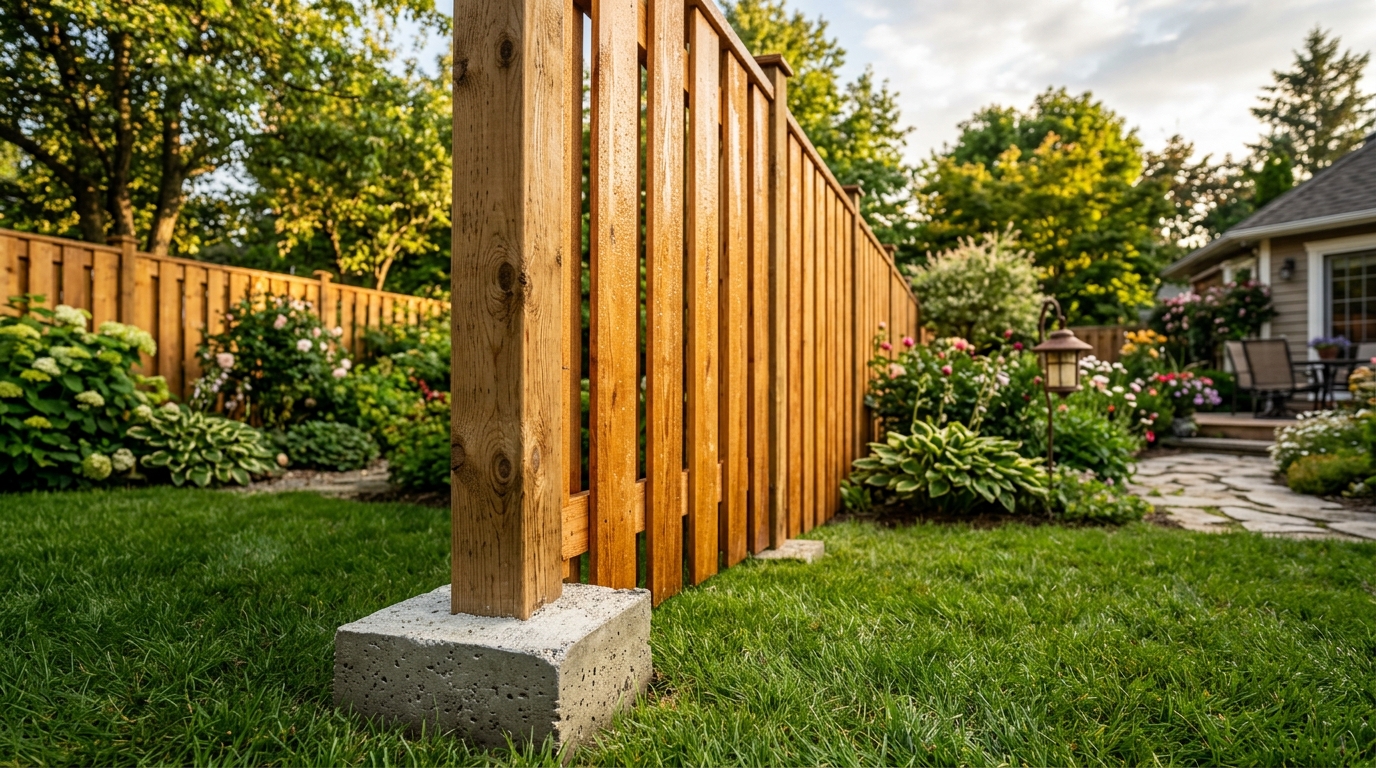
The most common cause of fence failure happens right at the ground line where the wood meets the soil and moisture. To prevent this, I suggest using modern tools like steel posts or heavy duty ground line sleeves to create a barrier against rot. Steel posts are practically indestructible and eliminate the risk of your fence snapping during a heavy windstorm. If you prefer the look of traditional wood posts, protective sleeves act like a waterproof boot to keep the base dry and solid. These simple additions can double the life of your structure, ensuring your investment stays upright and beautiful for decades to come.
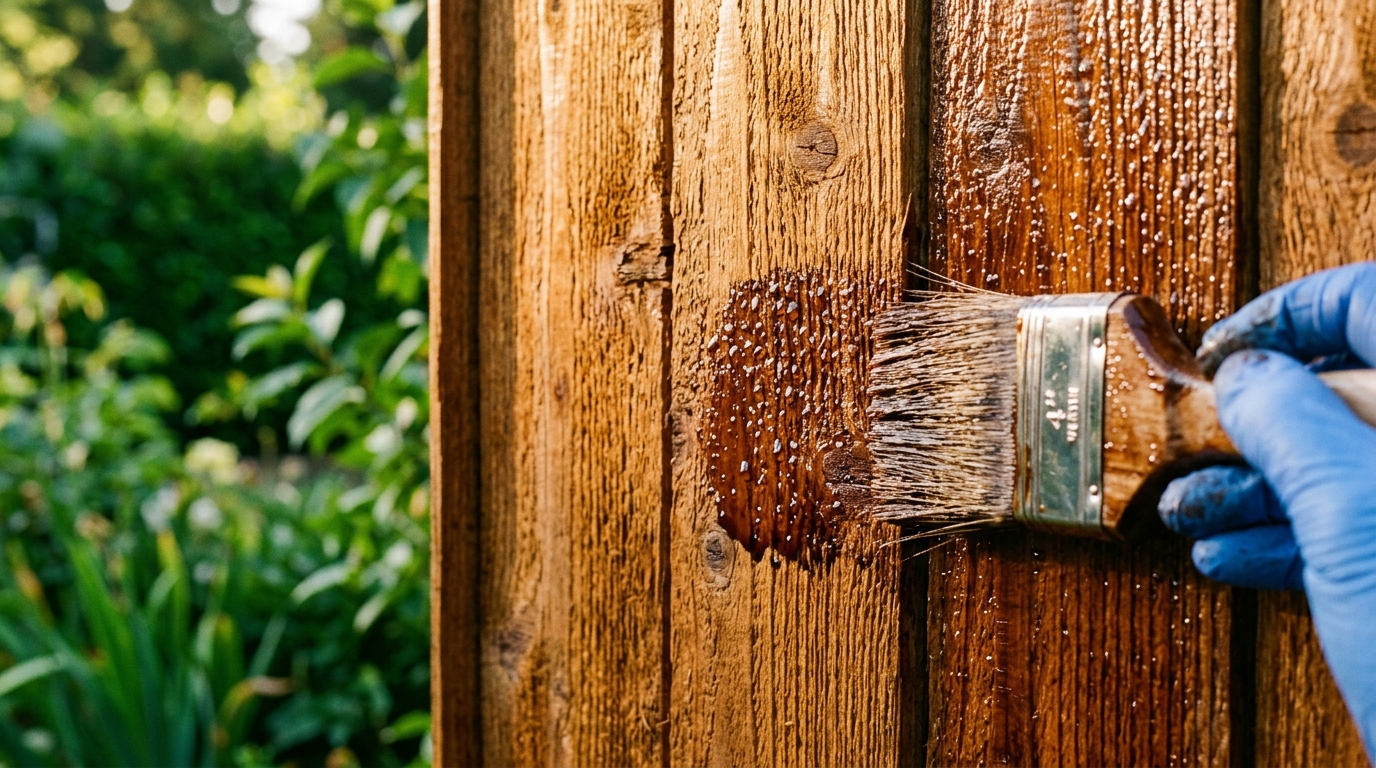
Think of a professional sealant as a high performance raincoat for your fence pickets. Without this protection, wood acts like a sponge, soaking up every rainstorm and morning dew until it begins to swell and warp. This constant cycle of getting wet and drying out is what causes the deep cracks and structural failures that force most homeowners into an early replacement. By applying a high quality stain, we create a durable moisture barrier that keeps moisture from penetrating the fibers. This simple step can easily push the lifespan of a standard cedar fence from fifteen years toward the thirty year mark.
Choosing to invest in professional sealing now is significantly more affordable than the cost of a full fence tear out and rebuild. When we apply these modern protective coatings, we are not just changing the color, we are actually stabilizing the wood on a cellular level. You will notice that water beads up and rolls off the surface instead of soaking in and causing rot. This proactive maintenance keeps your boards straight and your posts sturdy, saving you thousands of dollars in future construction costs. It is the most effective way to ensure your current investment stays beautiful and functional for decades to come.
Keeping your fence in top shape starts with a few simple habits that prevent moisture from settling into the wood. Every season, I recommend walking the perimeter to clear away wet leaves, mulch, or tall grass that has piled up against the bottom rails. When organic debris sits against the pickets, it creates a sponge effect that invites structural rot and wood-destroying insects. Taking ten minutes to sweep these areas clean can easily add several years to the life of your panels. It is one of those small chores that makes a massive difference in whether you are repairing a post or replacing the whole line.
You should also take a close look at your irrigation system to ensure your sprinklers are not giving your fence a daily soaking. Constant water exposure from a misplaced nozzle will strip away protective stains and cause the wood to warp or decay much faster than normal. I suggest adjusting your spray heads so they aim toward the lawn and away from the vertical boards. If you notice green moss or dark water stains forming, it is a clear sign that the wood is staying too damp. Catching these moisture issues early allows you to keep your current structure sturdy rather than shopping for a full replacement.
Regularly checking the hardware and gate alignment is the final step in a solid maintenance routine. Wind and settling ground can put extra stress on your posts, especially if the gates are dragging or the hinges are loose. I always tell homeowners to maintain a wood fence by tightening any sagging screws and ensuring the gate latches smoothly without forcing it. This prevents the weight of the wood from pulling the entire section out of alignment. By staying on top of these quick checks, you can confidently extend your fence's lifespan well toward that thirty year mark.
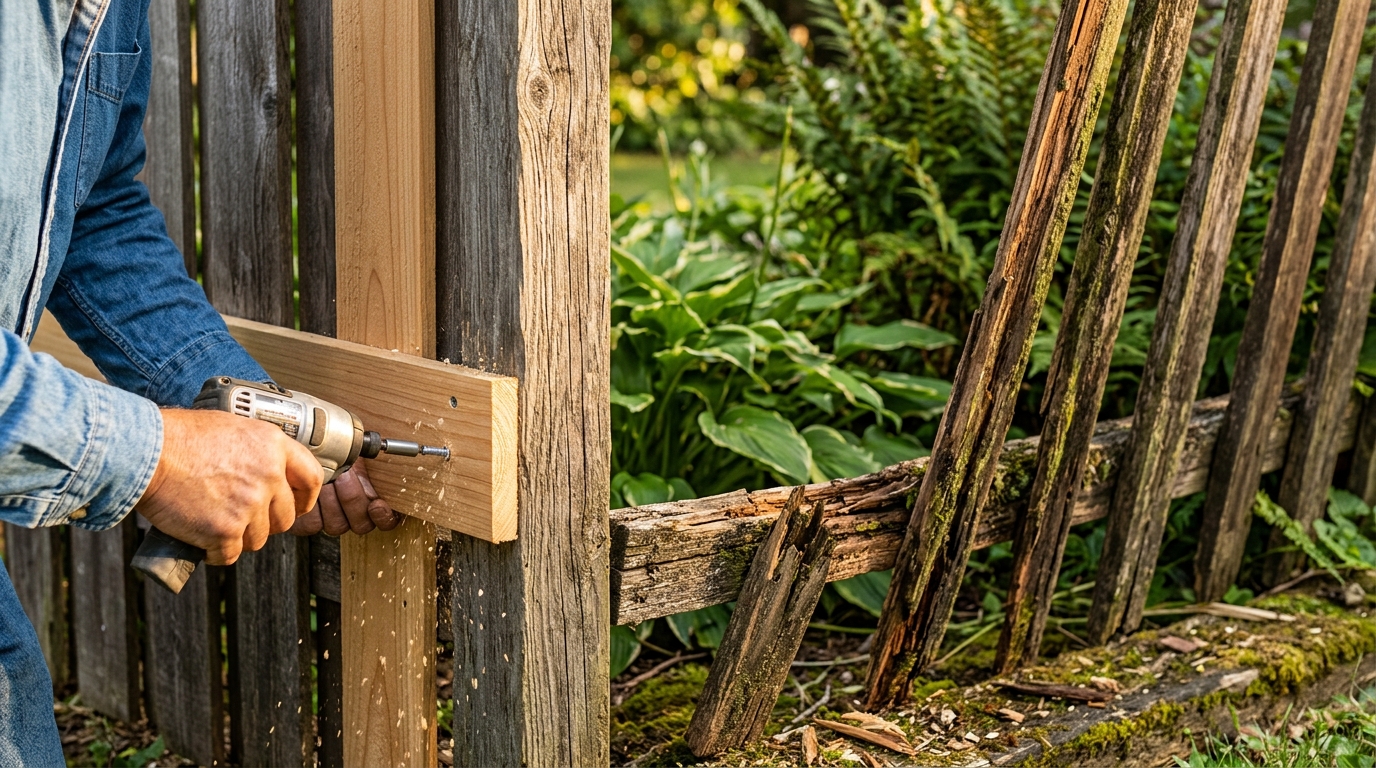
Determining whether to patch up your current fence or start fresh often comes down to the one third rule of thumb. If more than thirty percent of your fence panels or posts are showing signs of rot, sagging, or structural failure, the cost of individual repairs will quickly approach the price of a full replacement. Fixing a single rail or replacing a couple of pickets is a great way to save money in the short term, but these small fixes can become a repetitive cycle if the wood is reaching the end of its natural life. I always recommend looking closely at the support posts, because if the foundation is failing, no amount of surface repairs will keep the fence standing through another season.
Investing in a total replacement might feel like a big step, but it often makes the most financial sense when you consider the long term value of your home. A brand new install allows you to take advantage of modern protective technologies and high quality materials like cedar that can last up to forty years with the right care. You will save yourself the headache of constant weekend projects and the recurring costs of buying small batches of lumber and hardware. Choosing a full replacement also ensures a uniform look that boosts your curb appeal, which is something a patchwork of old and new wood simply cannot provide.
If you are still unsure about which path to take, take a moment to walk the entire perimeter and check the wood at the ground level. Wood that feels soft or crumbles when poked with a screwdriver is a clear sign that the internal structure is compromised beyond a simple fix. While I love helping homeowners extend the life of their fences through strategic maintenance, I also want to make sure you are not throwing good money after bad. We can look at your specific situation together to see if a few targeted repairs will do the trick or if it is time to stain a wood fence that will protect your privacy for the next three decades.
Deciding whether to patch up your old fence or start fresh is a big choice, but the numbers show that consistent care is always worth the effort. By staying on top of modern staining and sealing, you can nearly double the life of your wood from fifteen years to over twenty-five years. This proactive approach saves you thousands of dollars in replacement costs and keeps your property value high. Think of your fence as a living part of your home that needs a little love to stay strong against the elements. Taking these steps now ensures your investment remains a beautiful and functional part of your yard for decades to come.
If you are looking at your current fence and wondering how long does a wood fence last, remember that a sturdy frame is often worth saving. Most wood fences can be revitalized with a deep clean and a fresh coat of high quality sealant, even if they look a bit weathered. However, if you are seeing widespread rot or structural leaning, it might be time to discuss a more durable replacement using modern pressure treated materials. I am here to help you weigh those options and find the most cost effective solution for your specific situation. Let’s make sure your backyard stays private, secure, and looking its absolute best.
While a standard fence usually lasts about 15 years, you can actually double that time with the right care. By choosing durable materials and staying on top of maintenance, I have seen fences stay strong and beautiful for 30 years or more.
I always recommend going with cedar or redwood because they have natural oils that fight off rot and bugs. These premium woods might cost a bit more upfront, but they save you a fortune in repairs and replacements over the long run.
Most fences fail right at the ground line where the wood sits in damp soil and starts to rot. To stop this, I suggest using steel posts or heavy duty sleeves to keep the wood away from direct moisture.
If you are constantly fixing an old spruce fence, it is usually smarter and cheaper to replace it with a rot resistant species. You will spend much less time and money on upkeep when you start with a high quality wood like cedar.
You definitely do not need a professional crew or a huge budget to keep your fence in great shape. With some simple maintenance habits and modern protective treatments, you can easily handle these tasks yourself.
The best way to fight the elements is to use modern protective sealants and keep a close eye on any signs of wear. Think of your fence as a living part of your yard that just needs a little consistent love to stay sturdy for decades.
VIEW OUR WORK
LEARN MORE
CONNECT WITH US