
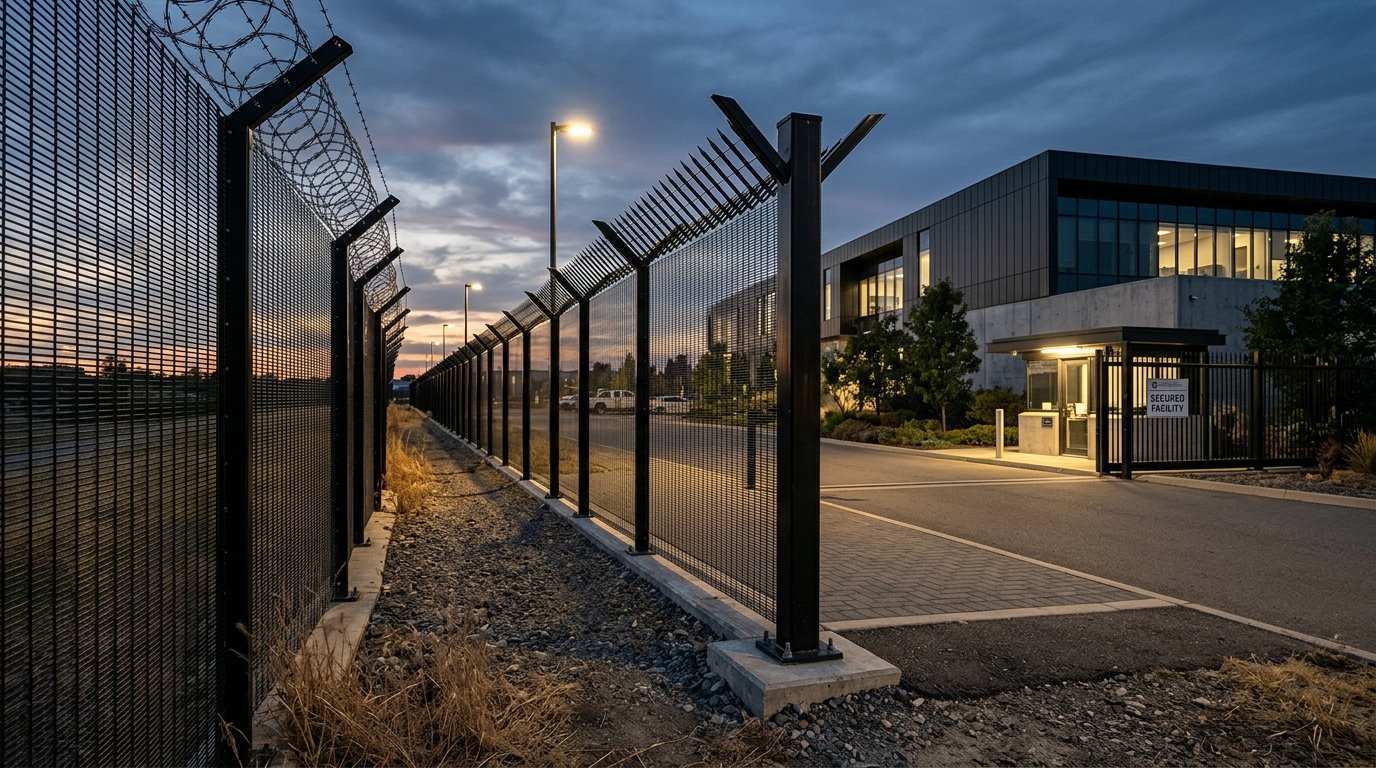
Choosing the right commercial high security fencing is no longer just about putting up a boundary; it is about building a smart defense system that works for you. Modern options are engineered to do three specific things: deter intruders, delay any breakthroughs, and help you detect trouble before it starts. Whether you are meeting new insurance rules or just want better peace of mind, a solid fence is your first line of defense in a world where security needs are constantly changing.
I have seen how much a high-quality installation can change the way a business operates. You want something practical that stands up to tools and climbing without looking like a fortress. By focusing on industry-standard materials like anti-climb mesh, you can get a system that is incredibly tough but remains straightforward to maintain. It is all about finding that sweet spot where heavy-duty performance meets everyday reliability.
When I talk to clients about high security fencing, I always explain that it is much more than just a taller barrier. Think of it as an engineered system designed to buy your security team precious time through the deter, delay, and detect strategy. By using anti-climb materials like 358 anti-climb mesh, you are sending a clear message to intruders that your facility is a difficult target. This visual deterrent often stops an incident before it even begins. If someone does try to scale the fence, the tight wire spacing makes it nearly impossible to get a foothold or use standard cutting tools.
Once an intruder makes a move, the focus shifts to delaying their progress as much as possible. High security fencing is built to withstand forced entry attempts from power tools and bolt cutters, meeting strict performance standards like ASTM F2781. These extra minutes of resistance are critical because they allow your staff to respond before any real damage occurs. I often recommend integrating digital sensors or surveillance cameras directly onto the fence line to enhance this process. This setup ensures that any vibration or cut is immediately flagged by your monitoring system.
Balancing these three elements creates a comprehensive ring of protection around your most valuable assets. It is not just about keeping people out, but about creating a smart perimeter that works with your overall security plan. Modern industrial projects rely on these systems to meet insurance requirements and federal safety regulations. When you invest in a professional grade barrier, you are choosing a solution that is durable, reliable, and easy to maintain. I believe that a well designed fence is the most honest and effective way to secure your business for the long haul.
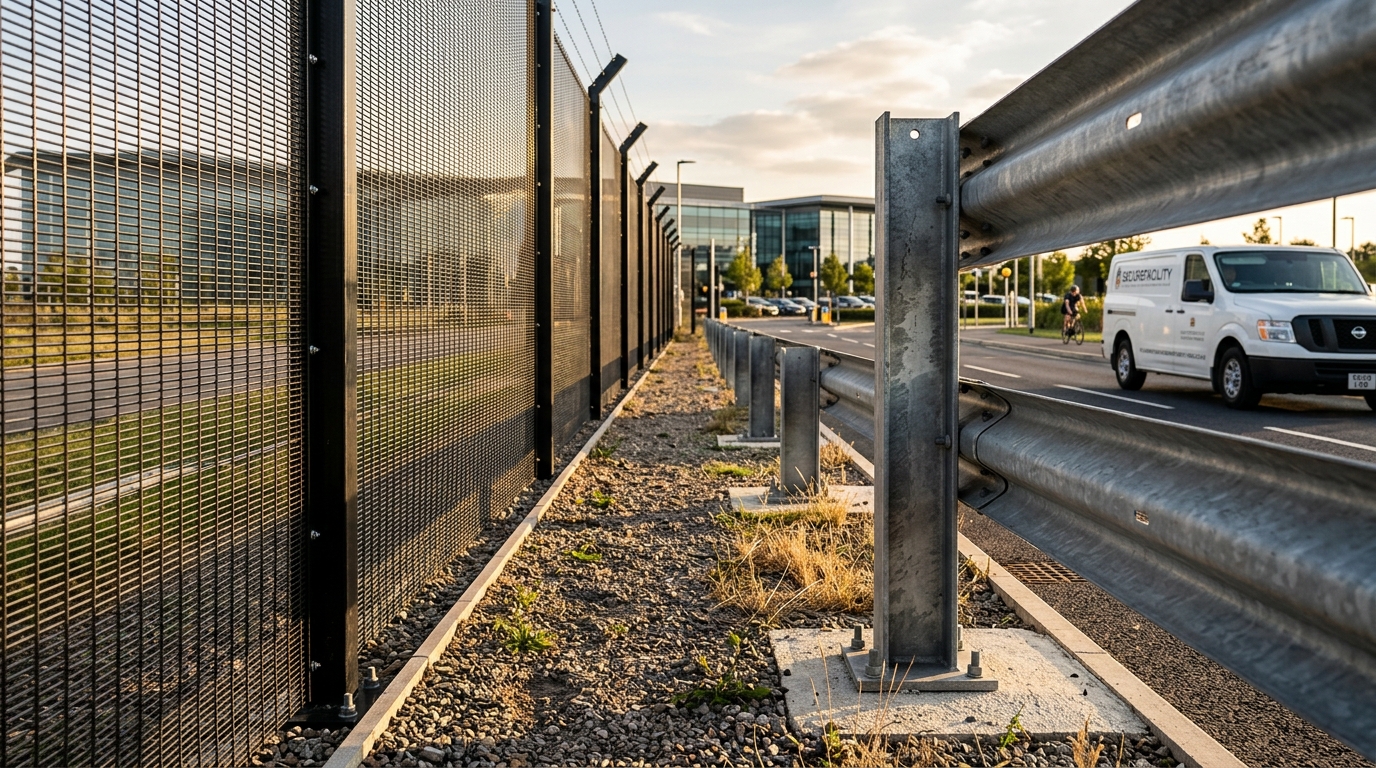
When you are looking to secure a high-value industrial site, you generally have to choose between stopping people or stopping vehicles. The 358 mesh is usually my first recommendation if your biggest worry is unauthorized foot traffic or intruders trying to cut their way inside. This anti-climb mesh gets its name from the tight wire spacing that makes it nearly impossible to get a finger hold or fit a pair of bolt cutters through the gaps. It provides a clean, professional look while acting as a massive deterrent for anyone thinking about scaling your perimeter. Because the wires are so close together, it delays intruders long enough for your security cameras or guards to respond before a breach actually happens.
On the other hand, some projects require a much more aggressive approach to prevent ram-raiding or accidental vehicle impacts. This is where crash rated barriers and heavy-duty steel bollard systems come into play to protect your infrastructure from kinetic force. While mesh fences are great for visibility and stopping climbers, they are not engineered to stop a multi-ton truck moving at high speeds. If your facility sits near a busy road or holds sensitive assets that could be targeted by a vehicle, you need the reinforced foundations and structural steel that only a crash rated system provides. These systems are often required by insurance providers or federal regulations to ensure that a perimeter remains intact even under extreme physical pressure.
Choosing the right system really comes down to a simple assessment of your specific site risks and your total budget. I often see clients mix these two technologies by installing 358 mesh along the majority of the boundary while placing crash rated barriers at vulnerable entry points or near the main office. This hybrid approach gives you the best of both worlds without overspending on heavy steel where it might not be necessary. You want a setup that feels robust and reliable, giving you peace of mind that your facility is locked down against every type of threat. Always remember that learning how to choose the best fence for commercial properties is an investment in your business's future, so taking the time to match the hardware to your actual needs is the smartest move you can make.
When you are looking at high-security specs, the ASTM F2781 standard is the ruler we use to measure how much fight a fence has in it. Instead of just looking at how tall a fence is, this rating tells us exactly how long it takes for someone with a specific set of tools to break through. I like to think of it as a timer that tells you how much breathing room your security team has to react. If a fence has a high rating, it means it can stand up to everything from basic bolt cutters to heavy duty power tools. Choosing the right level ensures you are not just buying a wall, but buying precious minutes of response time.
One of the most common ways we meet these tough standards is by using 358 mesh, which is the gold standard for industrial protection. The name refers to the tight spacing of the wires that makes it nearly impossible to get a toehold or a fingerhold for climbing. Because the gaps are so small, most manual cutting tools cannot even get a grip on the wire to start a breach. It is a simple design that solves two problems at once by being both anti-climb and anti-cut. This is the kind of practical engineering that keeps your site safe without needing a complicated setup.
I always tell my clients that the best fence is one that makes a persistent intruder decide your property is just not worth the effort. By following these forced entry standards, you are creating a layered defense that deters people before they even touch the perimeter. You want a system that works in harmony with your cameras and sensors, giving your digital tools the time they need to alert you. It is all about finding that sweet spot where the physical barrier is strong enough to delay an attack until help arrives. This approach takes the guesswork out of your security plan and gives you real peace of mind.
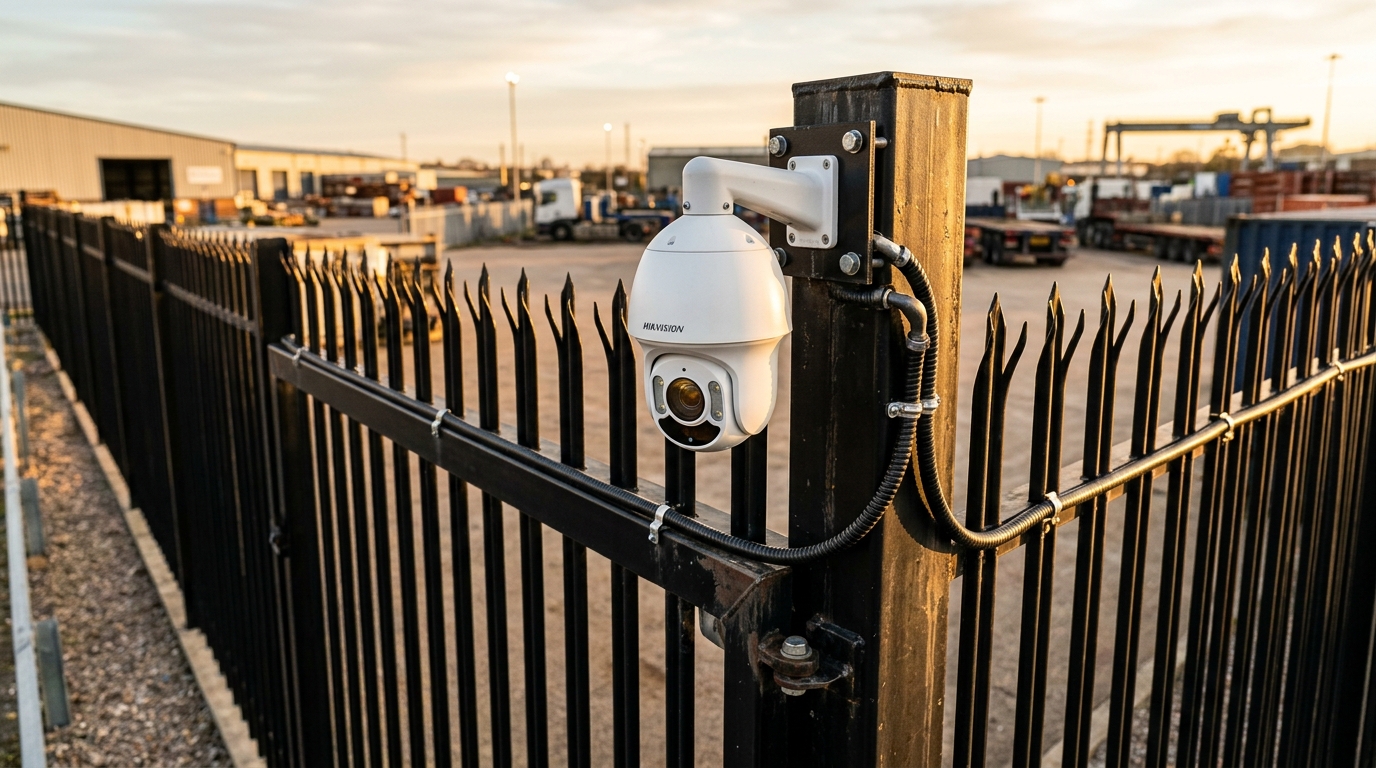
A strong physical barrier is your first line of defense, but it becomes much more effective when you add eyes to the perimeter. I always tell my clients that a high security fence should do more than just stand there; it should act as a nervous system for your entire property. By mounting high definition cameras and motion sensors directly onto your 358 mesh or palisade fencing, you turn a passive wall into a proactive security tool. This setup allows you to see exactly what is happening the moment someone approaches the boundary. It gives you the precious time needed to respond before a breach even occurs.
Modern technology makes it easy to sync your smart technology with the physical layout of your industrial site. I recommend using thermal imaging or infrared cameras that can see through total darkness or heavy rain along the fence line. You can also install vibration sensors that alert your phone or security team if someone tries to cut or climb the wire. These smart sensors are calibrated to ignore wind or small animals, so you do not have to deal with annoying false alarms. This integration ensures that your security budget is working hard around the clock without needing a constant human guard.
When you pair digital surveillance with a heavy duty fence, you create a layered defense that discourages even the most determined intruders. Most criminals will take one look at a tall, anti climb fence equipped with visible cameras and decide your business is not worth the risk. It is all about creating a psychological deterrent that matches the physical strength of the steel. If someone does try to test your perimeter, your integrated system records every movement for insurance or law enforcement needs. This smart approach gives you total peace of mind and keeps your high value assets truly protected.
Ultimately, choosing a high security fence is about much more than just putting up a barrier around your property. It is a strategic move that protects your equipment, your data, and your team from potential threats. By focusing on systems that meet rigorous standards like the anti climb 358 mesh, you are investing in a solution that discourages intruders before they even try to get close. This proactive approach saves you from the massive headaches and financial losses that come with security breaches or property damage. I always tell my clients that a well planned perimeter is the first and most important line of defense for any serious industrial operation.
Think of this installation as a long term asset that actually adds value to your business over time. High quality materials and engineered designs mean you will spend less on constant repairs and more time focusing on your daily operations. Modern fencing also helps you stay ahead of federal regulations and can even lead to better terms with your insurance provider. When you combine physical strength with smart technology like sensors or cameras, you create a complete security web. It gives you that much needed peace of mind knowing your bottom line is shielded by the best tools available today.
Getting the right fence in place might feel like a big step, but it is one of the smartest ways to future proof your facility. You want a system that is tough enough to delay an intruder and smart enough to detect trouble the moment it starts. Taking the time to understand these performance standards ensures you are not just buying wire and posts, but a professional grade security fence system. It is all about creating a safe environment where your business can thrive without outside interference. Once the job is done, you can rest easy knowing your investment is working for you around the clock.
Think of this as a three step plan to keep your property safe. The fence first discourages people from trying to enter, then physically slows them down if they try, and finally works with technology to alert you the moment something happens.
Anti-climb mesh, often called 358 mesh, has wire spacing so tight that you cannot get a finger or a toehold to climb it. It is also incredibly tough to cut with standard hand tools, which makes it much more secure than your average backyard or warehouse fence.
Not at all, and that is a common concern I hear from many business owners. You can get a very clean, professional look that provides heavy duty protection without making your facility feel uninviting to your actual customers.
Many insurance providers now require specific security standards to be met for coverage or better rates. Understanding the benefits of having a fence at your commercial business shows your provider that you are serious about risk management and protecting your assets.
Yes, these systems are designed to be a foundation for your total security setup. You can easily mount digital sensors or cameras directly to the structure to create a smart perimeter that talks to your security team in real time.
I always recommend high quality materials because they are actually very easy to look after. By choosing the right finishes and sturdy engineering, you get a system that stays reliable for years without needing constant repairs or heavy maintenance. For many projects, commercial fence and industrial chain link fencing remains a popular alternative when balancing cost with long-term durability.
VIEW OUR WORK
LEARN MORE
CONNECT WITH US